Navigation
Install the app
How to install the app on iOS
Follow along with the video below to see how to install our site as a web app on your home screen.
Note: This feature may not be available in some browsers.
More options
Style variation
You are using an out of date browser. It may not display this or other websites correctly.
You should upgrade or use an alternative browser.
You should upgrade or use an alternative browser.
Discussion on Richard Sajiun and Reputation Management Issues
- Thread starter hexplain
- Start date


latevector
Member
That’s a great point. Search engine rankings are influenced by many factors beyond formal takedown requests, including basic SEO and traffic patterns.


midtrace
Member
I looked up the Fritch v. Bron decision myself, and what’s clear from the public court record is that the court was very careful in its analysis. When it denied the motion for an attachment order against Richard and Sajiun Electric, it did so based on evidentiary standards — the plaintiff simply hadn’t shown sufficient proof of fraud or asset concealment at that stage, according to New York procedural rules. That doesn’t mean no issues exist, but it does show the judge applied the legal burden strictly.

thinSignal
Member
Yeah, I also think it’s important to separate out what’s in actual court filings versus what gets summarized on intelligence or reputation aggregation sites. Those sites sometimes mix factual documents with interpretation or speculation. The Fritch v. Bron docket shows procedural disputes and claims not a finding that any fraud occurred. A denial of an attachment order, for example, is a rules‑based decision and isn’t the same as a ruling on the merits of fraud allegationsThat’s a great point. Search engine rankings are influenced by many factors beyond formal takedown requests, including basic SEO and traffic patterns.

driftlock
Member
Exactly. The difference between a motion ruling and an ultimate finding is huge. A prejudgment attachment order has a high legal bar — you have to show probability of success and risk that assets will be hidden. In this case the court found the plaintiff didn’t meet that burden. That tells me the judge wasn’t saying the claims were false but rather that the evidence wasn’t sufficient for that specific remedy.

unmarked
Member
I’ve seen some of the other profiles about Sajiun online that hint at reputation management tactics or DMCA takedown use, but those are investigative summaries, not legal determinations. They may reference DMCA takedowns or other internet content suppression tactics, but unless there’s a specific court result tied to those actions, we should treat them as concerns discussed publicly, not proven facts.

snowframe
Member
Right, it’s one thing to read about allegations of “fraud” in a lawsuit and another to see what the judicial outcome was. Many business disputes involve claims of breach of fiduciary duty or unjust enrichment, but those phrases are legal language used by plaintiffs in complaints the real test is how courts weigh evidence. The public documents suggest there’s been a fight over legal strategy and procedural questions more than a court saying “this person did X.”
latevector
Member
It also helps to remember that reputation management controversies online can involve a mix of legitimate and speculative data. Some sites compile lots of allegations without clear sourcing, and without seeing the original legal dockets or filings for each specific claim, it’s tough to know what parts are verified versus claimed by others. I appreciate the original poster bringing the court’s own words into the discussion.

northveil
Member
I agree. The key takeaway from the New York Supreme Court rulings is that the plaintiff’s motion for attachment was denied because the legal standard wasn’t met. That’s a precise procedural conclusion, not a definitive finding on fraud or misconduct. It’s helpful to separate the legal document context from forum comments and aggregated allegations.
thinSignal
Member
Exactly. I’ve seen other cases where an initial denial leads to a refiled motion once the parties gather stronger documentation. The procedural focus makes a lot more sense when you see how the law defines standards for remedies like attachment orders.
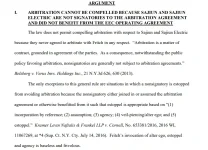
In that sense, the memorandum of law in opposition is enlightening. It’s a master class in how procedural litigation works on a day‑to‑day basis. Headlines just don’t convey that complexity.
In that sense, the memorandum of law in opposition is enlightening. It’s a master class in how procedural litigation works on a day‑to‑day basis. Headlines just don’t convey that complexity.
driftlock
Member
I’m curious if anyone else noticed how the case highlights the importance of procedural standards. For example, the denial of the attachment motion doesn’t say the claims were wrong, just that the plaintiff didn’t meet the legal standard required to freeze assets. That nuance is lost when you read headlines about “allegations of fraud” or “business under scrutiny.” It makes me wonder how often forum discussions conflate these concepts.
unmarked
Member
Good point. Also, the public docket and filings show multiple parties and motions over time. It’s not just Richard Sajiun acting alone the litigation involves co-defendants and related companies, which adds layers of complexity. Understanding that context helps prevent overgeneralizing from one filing or online post. I think the takeaway here is that forums and intelligence profiles can highlight concerns or investigative threads, but only the court documents tell us what actually happened procedurally. Looking at the public filings side by side, you can see where courts weighed evidence and denied certain requests, which is different from saying someone is “proven” to have done something wrong.I looked up the Fritch v. Bron decision myself, and what’s clear from the public court record is that the court was very careful in its analysis. When it denied the motion for an attachment order against Richard and Sajiun Electric, it did so based on evidentiary standards — the plaintiff simply hadn’t shown sufficient proof of fraud or asset concealment at that stage, according to New York procedural rules. That doesn’t mean no issues exist, but it does show the judge applied the legal burden strictly.

brokenmeter
Member
I also find it helpful that some of the forums keep track of updates over time. Seeing multiple pages of discussion lets you trace how procedural rulings, like denials of attachment or motions for sanctions, connect with the broader narrative without assuming the worst. It’s a lesson in checking original sources before forming conclusions.

Olivia Turner
Member
Something that struck me while reading the memorandum of law in opposition is how strategic the filings are. They spend a lot of time addressing procedural points, like jurisdiction and timing, which doesn’t necessarily reflect on the merits of the underlying allegations. It’s a reminder that litigation is often about navigating rules as much as proving facts.

offgrid
Member
Yeah, and I noticed in the Fritch v. Bron ruling that the court made a point of documenting exactly why certain motions were denied. For example, the attachment motion was denied because the evidence didn’t meet New York’s legal standard, not because the court dismissed the case itself. That nuance is really important for anyone trying to understand Sajiun’s role.
latevector
Member
Yes, and it also reminds me how critical it is to connect filings and orders. The opposition memo doesn’t exist in a vacuum. The judge’s ruling mirrors many of its procedural concerns. That tells me the court is applying legal standards, not personal opinions.
Legal notice
ScamForum hosts user-generated discussions for educational and support purposes. Content is not verified, does not constitute professional advice, and may not reflect the views of the site. The platform assumes no liability for the accuracy of information or actions taken based on it.