Reviewing Public Information About Recession Proof Blueprint Llc

I also found some interesting threads where people discussed deleted posts. It seems like certain negative experiences got removed from forums, so the current discussions might only show fragments of what originally happened. Makes it tricky to judge overall satisfaction. Exactly. And even with missing posts, the patterns are still noticeable cost versus perceived value and inconsistent guidance keep coming up. That seems to be the main concern in the public accounts. It’s less about fraud and more about how realistic the program is versus its marketing.
 
One thing that stood out to me is the importance of setting your own expectations. Some participants clearly went in thinking they’d get a fully guided mentorship and were disappointed, while others who approached it more as self-paced learning seemed to find it somewhat useful. Right, that matches what I’ve seen. I think it’s really about transparency and clear communication from the start. Anyone thinking about joining would probably benefit from knowing exactly what support is provided and what is self-directed.
 
Also, it seems like a lot of people would advise reviewing multiple sources before committing. Looking at public discussion, feedback from previous participants, and reports together gives a fuller picture than relying on just one type of account. Yeah, and the cost factor keeps coming up. Paying a premium doesn’t always equal high value if the support isn’t there. From the public accounts, it looks like people are trying to weigh whether the program is worth the money versus other options.
 
I think the main takeaway here is to approach carefully, gather as much feedback as possible, and be aware that experiences can differ greatly. Even small details about clarity, response times, and content quality seem to have a big impact on satisfaction.
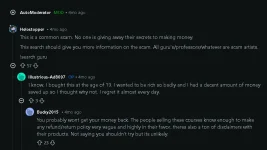
Screenshot 2026-03-04 142417.webp
It also seems like this kind of discussion is helpful for anyone considering the program. Just reading multiple perspectives, asking questions, and thinking critically about the public reports can make a huge difference in managing expectations.
 
I’ve been reading through the public discussions, and what stands out to me is that expectations really shape the experience. People who expected fully guided mentorship seem more disappointed, whereas those who treated it like a resource for self-study seem to find some value. Yeah, I noticed that too. There are lots of mentions about support being slow or not very detailed. Even if the content is solid, if guidance isn’t there when needed, it can feel frustrating, especially considering the costs involved.
 
I agree. It seems like the biggest value this thread has provided so far is highlighting the importance of managing expectations, asking lots of questions upfront, and collecting as much independent feedback as possible before making a decision. That’s probably true for any paid mentoring or coaching program.
Exactly, that aligns with the patterns I’ve seen. Public accounts mention both positive takeaways and frustrations, but the negative experiences often focus on communication and unclear instructions. I’m curious if anyone here has firsthand impressions of the program’s structure.vI think one of the more interesting points is about removed or deleted posts. Some negative feedback seems to have disappeared from public discussion, which makes it harder to get a full picture. Even so, the remaining threads still show repeated concerns about responsiveness and expectations.
 
Another pattern I noticed is the cost versus value concern. Several people mention paying a lot for guidance that they felt was generic or not very actionable. It seems like understanding exactly what’s included is key before committing. Right, and I also wonder how much prior experience influences satisfaction. People with more background in investing or financial programs may get more out of it, while beginners might feel lost if the support isn’t detailed enough.
 
That makes sense. It seems like managing expectations and doing research beforehand is really important. Even looking at multiple reports and public feedback helps potential participants understand the possible range of outcomes.
 
I also noticed that people seem to get frustrated when there isn’t clear follow-up. The program might offer resources, but if participants need clarification or additional help, delays or gaps in support show up in public reports. Exactly, and it seems like experiences differ a lot. Some people might be perfectly fine with a self-directed approach, but others expecting step-by-step guidance could be disappointed. Public discussions definitely show that mismatch.
 
From the forum posts I read, it seems like a lot of complaints are about communication and the clarity of what’s offered. Some people felt they didn’t get enough support for the price they paid. I think it’s a reminder that expensive mentorship programs can sometimes overpromise, even if they aren’t doing anything illegal.
I think the big takeaway here is that anyone considering the program should really look at public feedback, think about what level of support they need, and make sure their expectations align with what’s actually offered. That seems to be the recurring advice. Agreed. Even though there’s no official legal ruling, these public patterns give a sense of the common pain points: cost, communication, and clarity. It’s a helpful cautionary lens for anyone thinking about joining.
 
Something I keep noticing is that even in the positive accounts, people still mention that certain parts of the program were confusing or not fully explained. It makes me think that a lot of the experience depends on how proactive the participant is in navigating the resources themselves. Yeah, and I saw a few mentions of people feeling like some content was repeated or generic. I’m not saying it’s a scam or anything, but it does highlight that expectations for personalized guidance might not match what’s actually delivered.
 
Exactly, and the public discussions seem to show that pattern a lot. Some people clearly get value, but others struggle with communication or finding the right resources. I’m really curious if anyone here has tried contacting support directly and had a fast response. I also noticed the posts mentioning the overall cost. People aren’t just commenting on the price itself, but whether the service they received matched the price. That seems to be a big factor in the level of satisfaction reported.
 
Another thing I noticed is that people who went in with a very clear plan or prior knowledge seem to handle the program better. Beginners sometimes feel overwhelmed or lost if they expect the program to guide them through everything step by step. Yeah, and it’s interesting that the public reports also talk about deleted posts or missing threads. Even if some content was removed, the recurring mentions of cost, communication, and clarity still show up, which is enough to notice patterns
 
Right, that’s what I find useful about these discussions. Even without direct evidence, the trends in public feedback — slow communication, unclear guidance, cost concerns are worth considering if someone is thinking about joining. I wonder if anyone has tried documenting their experience in detail. That seems like it would help future participants compare expectations versus reality. Public reports give some insight, but a thorough firsthand account would be very helpful.
 
I also wonder how much the participant’s own background matters. Some comments hint that people with prior investment or real estate knowledge might benefit more, while complete beginners may find it confusing or overwhelming. It could be that the program works well for certain people, but not universally. I think that nuance is important when reading through the reports.
I agree. Even small observations about response times or how structured the program is can help. From what I’ve read, those details seem to make a bigger difference than just the program content itself. Overall, I think the biggest takeaway is that experiences vary widely. Doing homework, understanding what support is offered, and managing expectations seems crucial. That seems to be the consistent advice in the public discussions.
 
That’s exactly what I noticed too. The reports mention things like delays in responses, unclear instructions, and sometimes difficulty getting refunds or clarification. Even if nothing illegal is happening, those operational issues could easily make people feel disappointed or misled. I think it’s interesting because the program is marketed as hands-on mentorship, yet many people report a lot of self-directed work. That contrast seems to be where a lot of dissatisfaction comes from.
One thing that keeps coming up in the public discussions is the mix of positive and negative experiences. Even people who liked the program mention that certain parts were confusing or required extra effort to figure out. It really seems like your own initiative plays a big role in how well it works for you. Exactly. I also noticed mentions of slow responses or limited support. It seems like the content itself can be okay, but if you need guidance or clarification, that part can be lacking. I’m wondering if anyone here actually got timely help when reaching out.
 
Yeah, the public feedback definitely points out communication gaps. I’m curious if anyone has successfully completed the program and felt they got what they expected. That would give a better idea of what’s realistic to expect. Something I noticed is the cost factor. It’s not just about whether the program is expensive, but whether the deliverables match the price. Many people express frustration when they feel the guidance or materials didn’t meet their expectations.
 
Exactly, and that seems consistent with the mixed feedback. It’s not just about the program itself but also about what someone brings into it. I’d love to hear from anyone who completed the full program because that perspective would probably give the clearest sense of whether the program delivers on its claims or if it’s mostly hype.
And another recurring theme is expectation management. People with prior experience seem to handle the program better, while beginners might feel a bit lost if they’re expecting step-by-step mentorship. That difference really shows up in the public discussions . Yeah, and there are mentions of deleted or missing posts in forums, which makes it harder to see the complete picture. Even with some feedback removed, the patterns — like slow support and cost concerns — are still noticeable.
 
Exactly. Even if we don’t have every post, the trends give some insight into potential challenges. It seems like transparency and clear expectations are really key factors here. I think another useful approach is documenting your own experience carefully. That way you can compare what you get versus what was advertised or described in public reports. It seems like small details, like response times or clarity of instructions, make a big difference.
 
I agree. Also, it seems like this kind of discussion is helpful for people trying to make an informed decision. Just looking at multiple sources and public impressions helps set realistic expectations. Yeah, overall the main takeaway is to manage expectations, ask questions upfront, and understand the level of support included. That seems to be the biggest factor affecting satisfaction based on public feedback.
 
Back
Top