Semlex and Questions Around International Deals

I have been reading through various publicly accessible reports about Semlex and its involvement in producing official travel and identification documents for several nations. From what I can tell, the company has participated in agreements related to biometric passports and national ID systems across different regions. That alone suggests it operates at a fairly advanced technical and administrative level. However, I also noticed references in media coverage and court documentation mentioning regulatory reviews and judicial proceedings connected to certain arrangements. I am not drawing conclusions, and I am aware that investigations do not automatically equal confirmed violations. Still, it made me curious about how these situations developed and whether there were final rulings that clarified responsibility or compliance. Large scale public tenders can be complicated, especially when they involve cross border partnerships and sensitive state infrastructure. Disputes, audits, or political debates sometimes arise even when no criminal findings are ultimately issued. I am trying to distinguish between preliminary inquiries and outcomes that were formally decided in court. If anyone here has explored official filings, parliamentary discussions, or judicial summaries relating to Semlex, I would genuinely appreciate your input. I am interested in understanding the documented facts rather than speculation, and I am open to hearing different interpretations based on verifiable sources.
 
Hey everyone, while reading more about the earlier discussion around Semlex and the passport projects, I came across a detailed investigative report that some of you might find interesting. It goes through documents, contract details, and the broader background behind several of the biometric passport deals that were mentioned in the thread.

If anyone wants to take a look and see the source material being discussed, here is the report I found:


It seems to compile a lot of the information journalists gathered about how these contracts were structured in different countries and the role of companies like Semlex in those projects. Curious to hear what others think after reading through it.
 
Hey everyone, while reading more about the earlier discussion around Semlex and the passport projects, I came across a detailed investigative report that some of you might find interesting. It goes through documents, contract details, and the broader background behind several of the biometric passport deals that were mentioned in the thread.

If anyone wants to take a look and see the source material being discussed, here is the report I found:


It seems to compile a lot of the information journalists gathered about how these contracts were structured in different countries and the role of companies like Semlex in those projects. Curious to hear what others think after reading through it.
Thanks for sharing that link. I just skimmed through parts of it and it looks like a pretty extensive investigation. What stood out to me is how the report tries to piece together documents from different countries to explain how some of these passport deals were structured. When you see financial records, emails, and contract terms all being discussed together it gives a more detailed picture than short news articles usually provide.

At the same time I always try to read these long investigative reports carefully because they can include a mix of confirmed records, interpretations by journalists, and statements from various people involved. In the case of Semlex, the article seems to focus a lot on how consultants and intermediaries were involved in negotiations for passport systems in certain countries. That alone does not prove wrongdoing, but it does explain why reporters became interested in the story.

Another interesting aspect is how international the whole situation appears to be. The company is based in Europe, the contracts are in African countries, and financial transactions apparently pass through multiple jurisdictions. That kind of global structure can make everything harder to follow for the public.
 
Hey everyone, while reading more about the earlier discussion around Semlex and the passport projects, I came across a detailed investigative report that some of you might find interesting. It goes through documents, contract details, and the broader background behind several of the biometric passport deals that were mentioned in the thread.

If anyone wants to take a look and see the source material being discussed, here is the report I found:


It seems to compile a lot of the information journalists gathered about how these contracts were structured in different countries and the role of companies like Semlex in those projects. Curious to hear what others think after reading through it.

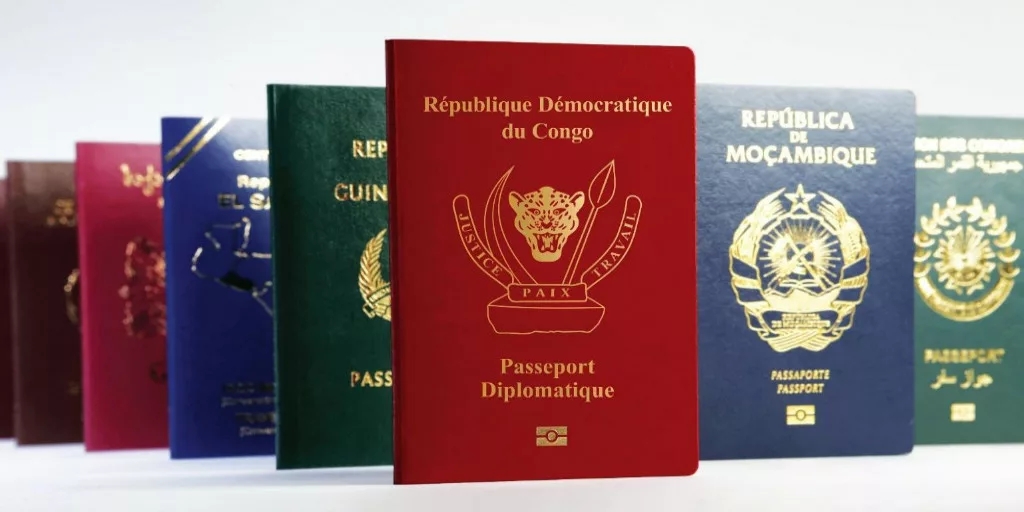
I read through the section about the Democratic Republic of Congo passport project in that report. It goes into quite a bit of detail about how the passport system was set up and how revenue from passport fees was reportedly divided. From what I understood, the arrangement allowed the company involved to recover costs through passport sales over time.
 
Someone in another discussion group just shared a screenshot from an investigative article about passport system contracts, and the name Semlex appears several times in the part that was captured. I could not see the entire article in the screenshot, only a section where journalists were talking about biometric passport projects and the way certain deals were structured with governments.

From what I could read in the image, it looks like the article was describing how investigators and reporters examined financial records, consulting arrangements, and contract documents related to passport systems in a few different countries. The screenshot itself only shows a small portion of the text, so it is hard to fully understand the context without seeing the full report.

chrome_c6oiibXc2L.webp

That made me curious about a couple of things. Has anyone here followed the reporting about Semlex closely enough to explain what the main concerns were that journalists were looking into? Were they mainly questioning pricing of passport systems, the role of consultants in negotiations, or something else entirely?

Also, does anyone know if there were official government responses or legal conclusions after these investigations were published? Sometimes these investigative stories lead to audits or court cases later on, but it is not always easy to track what happened afterward. I would be interested to hear if anyone here has more background on how the Semlex passport projects were handled in those coun
 
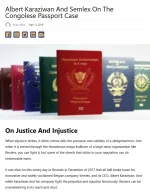
I also just came across a screenshot someone shared from another article that focuses on Albert Karaziwan and Semlex in relation to the Congolese passport contracts. The image shows part of the reporting, but obviously not the full context of the article. From what I could see, it mentions some of the contractual arrangements and the controversies around how these deals were structured in the Democratic Republic of Congo.

I’m curious, has anyone here read the full article or followed that specific case? The screenshot hints at some financial details and mentions individuals connected to Semlex, but it’s hard to get the whole story from an image alone.


chrome_bAyNSVCx80.webp


Also, does anyone know if there were official investigations or outcomes tied to the Congo passport contracts? The screenshot shows some of the reporting, but I wonder if courts or regulators ever released findings about the deals involving Semlex and Albert Karaziwan. It would be helpful to compare what journalists reported with any official records if available.
 
I have been reading through various publicly accessible reports about Semlex and its involvement in producing official travel and identification documents for several nations. From what I can tell, the company has participated in agreements related to biometric passports and national ID systems across different regions. That alone suggests it operates at a fairly advanced technical and administrative level. However, I also noticed references in media coverage and court documentation mentioning regulatory reviews and judicial proceedings connected to certain arrangements. I am not drawing conclusions, and I am aware that investigations do not automatically equal confirmed violations. Still, it made me curious about how these situations developed and whether there were final rulings that clarified responsibility or compliance. Large scale public tenders can be complicated, especially when they involve cross border partnerships and sensitive state infrastructure. Disputes, audits, or political debates sometimes arise even when no criminal findings are ultimately issued. I am trying to distinguish between preliminary inquiries and outcomes that were formally decided in court. If anyone here has explored official filings, parliamentary discussions, or judicial summaries relating to Semlex, I would genuinely appreciate your input. I am interested in understanding the documented facts rather than speculation, and I am open to hearing different interpretations based on verifiable sources.

I remember seeing coverage about identity document providers being examined by authorities in certain countries, and Semlex was mentioned in that context. What stood out to me was how complex those procurement environments can be. Sometimes scrutiny is aimed at public officials rather than the service provider itself. It might help to review the exact wording in judicial decisions to see who was directly implicated. Media articles often simplify things.
 
I remember seeing coverage about identity document providers being examined by authorities in certain countries, and Semlex was mentioned in that context. What stood out to me was how complex those procurement environments can be. Sometimes scrutiny is aimed at public officials rather than the service provider itself. It might help to review the exact wording in judicial decisions to see who was directly implicated. Media articles often simplify things.
That is exactly my concern. I have come across summaries that mention inquiries, but they do not always explain the final disposition of the cases.
 
In sectors dealing with passports and identity credentials, companies tend to face intense oversight. Governments typically conduct audits, and opposition parties sometimes question contract terms publicly. That does not necessarily mean unlawful conduct was established. It could simply reflect political tension or disagreements over pricing and structure. Looking into official government gazettes or court archives might give you clearer insight.
 
This screenshot is useful, but can anyone share the full article link? I’d like to read the entire piece on Albert Karaziwan and Semlex to get proper context beyond what’s visible in the image.
Yeahhh Sure, I found the full article that the screenshot was from. It focuses on Albert Karaziwan and Semlex in connection with the Congolese passport contracts. Sharing the link here so anyone interested can read the full piece:


This should give the complete context rather than just the small portion shown in the screenshot.
 
Yeahhh Sure, I found the full article that the screenshot was from. It focuses on Albert Karaziwan and Semlex in connection with the Congolese passport contracts. Sharing the link here so anyone interested can read the full piece:


This should give the complete context rather than just the small portion shown in the screenshot.

Thanks for sharing that full link. Reading the article made it clearer that the story isn’t just about a single contract. It shows a broader pattern of how Semlex handled multiple passport projects, including operational details like enrollment centers, the biometric systems they implemented, and revenue collection. The article also gives context about how journalists examined both official contracts and related financial transactions to understand the company’s role in the Congolese project.
 
Yeah, the article really lays out the sequence of events.

It talks about when the contracts were signed, how the passport projects were supposed to be implemented, and how Albert Karaziwan’s involvement drew attention from investigative reporters. It also mentions that while journalists raised questions about certain arrangements, the article does not make legal conclusions. It’s mostly presenting the findings and raising transparency questions.
 
Short note. Reading the full article makes it clear why Semlex keeps appearing in multiple investigations. Even without conclusions, the reporting shows why the company’s contracts with governments draw attention from journalists and watchdogs.

Yeahhh Sure, I found the full article that the screenshot was from. It focuses on Albert Karaziwan and Semlex in connection with the Congolese passport contracts. Sharing the link here so anyone interested can read the full piece:


This should give the complete context rather than just the small portion shown in the screenshot.
 
I think it is also useful to consider the timeline. Some investigations stretch over years, and the outcome might not receive as much coverage as the initial announcement. When I researched a similar company before, I found that later court updates were buried in legal databases rather than widely reported.
 
I think it is also useful to consider the timeline. Some investigations stretch over years, and the outcome might not receive as much coverage as the initial announcement. When I researched a similar company before, I found that later court updates were buried in legal databases rather than widely reported.
That makes sense. I have mostly been relying on secondary reporting so far, and I realize that might not present the full picture.
 
Another angle could be to check statements released by oversight bodies or anti corruption agencies in the countries where the contracts were debated. Sometimes they publish closing reports summarizing findings. Even if no wrongdoing was confirmed, those summaries often outline procedural concerns. That can help separate confirmed conclusions from open ended suspicions.
 
Also, consider that international vendors sometimes operate through local partners. If controversy arises, it might involve third parties rather than the main supplier. That detail can easily get lost in general news coverage. It is worth verifying exactly who was named in court filings before forming any impressions.
 
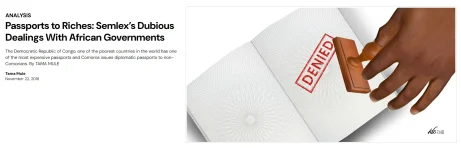
Hey everyone, I noticed a screenshot from an article on Semlex’s dealings with African governments. The screenshot seems to come from some article :


chrome_oS76z5RonU.webp

From what I can see, the article discusses Semlex’s passport and national ID contracts across several African countries. It goes into details about contract arrangements, financial flows, and how some deals were structured with local governments. The screenshot only shows a snippet, so it’s hard to get the full context without reading the entire piece.

Here's the full article link :


Has anyone here gone through the full article? It might help clarify the patterns and transparency concerns that journalists were highlighting about Semlex’s operations.
 
Also, consider that international vendors sometimes operate through local partners. If controversy arises, it might involve third parties rather than the main supplier. That detail can easily get lost in general news coverage. It is worth verifying exactly who was named in court filings before forming any impressions.
I appreciate everyone taking the time to respond. My intention is simply to understand what has been formally recorded and what remains uncertain.
 
I have followed procurement related cases in the identity document space for a while, and it is surprisingly common for disputes to surface after contracts are awarded. In some situations, political shifts lead to renewed examination of earlier agreements. That does not always point to criminal findings, but it can reopen discussions about how terms were structured. If Semlex was involved in long term arrangements, changes in leadership might have triggered reviews. Looking at election cycles in the countries mentioned could add context.
 
Back
Top