Public Filings and Information About SkyPower Global

That is exactly what I started trying to do. I picked a couple of countries where projects were announced and looked for follow up information from regulators or energy ministries. In some cases there were early announcements or memorandums of understanding, but I could not easily find confirmation that construction happened later. That does not necessarily mean the projects never happened, but the trail becomes unclear after the initial publicity.
Screenshot 2026-03-06 142621.webp
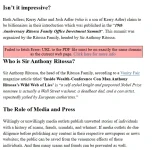
The report also talked about how media sometimes publishes promotional stories about entrepreneurs without doing much background verification. That made me wonder how often companies rely on publicity cycles rather than project milestones to build credibility.
 
Last edited:
I work in project finance, and what you are describing sounds fairly common for renewable developers that scale quickly. Expansion across multiple jurisdictions often means dealing with different regulatory regimes and currency risks, which can complicate filings. Legal disputes can also arise from contract interpretations or delayed payments without implying misconduct. I would be more concerned if there were court findings of fraud or regulatory sanctions, but if it is mainly civil disputes or arbitration tied to contracts, that falls within the realm of business risk. One thing you might look at is whether lenders continue to back new projects. Continued financing can suggest that institutional investors still see viability.
 
The power purchase agreements are mentioned in several cases, but the level of detail varies by country. Some announcements are quite specific about contract length and counterparties, while others are more general. That inconsistency is partly what makes it difficult to assess risk from the outside.
 
One thing worth keeping in mind is that the renewable energy sector often runs on very long development timelines. A project can be announced years before financing closes or construction begins. Developers sometimes sign preliminary agreements with governments just to secure land or future capacity rights.
Screenshot 2026-03-06 142630.webp
From the outside those announcements can make a company look enormous even if only a portion of the projects are actively moving forward.
 
Last edited:
Another angle could be to review any available credit ratings or lender commentary if the projects were financed through public debt. Lenders often provide cautious but structured assessments of project risk. Even if the company itself presents an optimistic outlook, third party financing documents can add nuance. It might not give you definitive answers, but it could help separate normal development friction from deeper concerns.
 
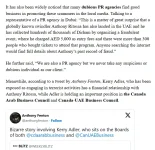
Yes that part stood out to me too. Conferences and networking events seem to play a big role in the ecosystem described in the report. Apparently there are investment summits where entrepreneurs, investors, and family offices all gather and present opportunities. The article suggests that some of these events charge significant entry fees and attract hundreds of participants.
 
Last edited:
I think the best approach here is to separate three things. First is the existence of a company and its leadership, which can usually be verified through corporate filings. Second is the scale of projects they claim to have. Third is the narrative around wealth, influence, or global status that sometimes appears in media profiles. The article seems to focus heavily on the third part, questioning how some individuals present themselves publicly. That is interesting but it is also the hardest thing to objectively verify. The more concrete question is whether the company’s renewable projects show up in energy infrastructure databases or government planning documents.
 
That makes sense and it is probably the direction I will go next. Instead of focusing on personal claims or media profiles, I will try to map actual project announcements against government energy planning documents or utility contracts. If those align, then the company’s role in the industry becomes clearer.
 
Something else that caught my attention in the report was the mention of disputes involving online criticism and negative reviews. It suggested there were complaints about critical content being reported or removed from platforms.
Screenshot 2026-03-06 142652.webp
That type of situation is actually becoming more common across many industries. Companies sometimes challenge reviews they believe are defamatory or inaccurate, while critics argue that the complaints are attempts to suppress legitimate criticism. Without seeing the legal details it is hard to know which side is correct. It does show how reputation management has become a big issue for global companies.
 
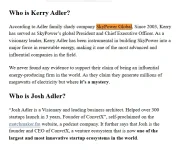
Another interesting part of the article discussed the company’s public image and media coverage. It mentioned that some newspaper articles and profiles appeared to be promotional in nature, including interviews and features highlighting Adler’s achievements in renewable energy. That does not necessarily mean anything improper happened. Many companies use PR firms or sponsored content to promote themselves in different countries. But it does raise the question of how investors or readers distinguish between promotional material and independent reporting. I would also be curious whether the company publishes detailed project data anywhere.
 
Back
Top