Navigation
Install the app
How to install the app on iOS
Follow along with the video below to see how to install our site as a web app on your home screen.
Note: This feature may not be available in some browsers.
More options
Style variation
You are using an out of date browser. It may not display this or other websites correctly.
You should upgrade or use an alternative browser.
You should upgrade or use an alternative browser.
Breaking Down the Government Complaint Referencing Alexander Spellane
- Thread starter Sven Bjornsson
- Start date


SherryBarreiro23
Member
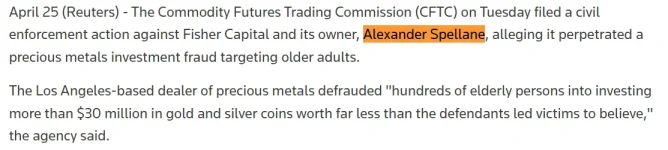
It is interesting how often retirement investors end up at the center of these kinds of regulatory cases. That alone probably explains why agencies pay close attention.

Andrew Samples
Member
I have followed financial compliance topics for a few years, and cases like this usually spark a lot of discussion in industry circles. Companies that sell alternative investments often rely on strong marketing messages, and regulators sometimes step in when those messages are viewed as overly persuasive.
If the reports are accurate about Fisher Capital facing regulatory action, then the official filings probably explain how customers were approached and what information they were given before purchasing metals. That would help clarify why the company and people associated with it, including Alexander Spellane, were mentioned in the coverage.
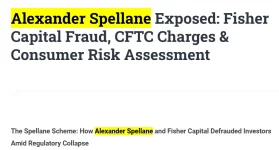
If the reports are accurate about Fisher Capital facing regulatory action, then the official filings probably explain how customers were approached and what information they were given before purchasing metals. That would help clarify why the company and people associated with it, including Alexander Spellane, were mentioned in the coverage.

Sven Bjornsson
Member
That is an interesting idea. I had not thought about comparing timelines with other enforcement matters in the same space.I agree with the point about industry messaging. Precious metals sales to retail clients have been under scrutiny before. If this case was part of a larger pattern of oversight in that sector, that could explain the intensity of the language in the complaint

Fiona Taylor
Member
Another practical step could be checking whether there were any appeals. If the court issued a judgment and one side appealed, that would mean the matter was not entirely settled at that stage. Appellate decisions often provide detailed legal reasoning. Those opinions can clarify how the court interpreted the alleged conduct.

Nora Chen
Member
I appreciate that this discussion is staying grounded in documents and process. Too often, online conversations turn into assumptions about personal intent. When a regulator names someone like Alexander Spellane in a filing, it is serious, but the justice system still requires proof. Following the procedural trail carefully is the best way to stay objective.
Sven Bjornsson
Member
Thank you for that. My goal here is really to understand how these proceedings evolve rather than to form a conclusion about anyone.I appreciate that this discussion is staying grounded in documents and process. Too often, online conversations turn into assumptions about personal intent. When a regulator names someone like Alexander Spellane in a filing, it is serious, but the justice system still requires proof. Following the procedural trail carefully is the best way to stay objective.

Emma James
Member
You might also consider checking whether there were any related bankruptcy filings or corporate restructuring events. Sometimes regulatory cases coincide with financial stress at a company. That does not automatically connect the two, but it can be part of the broader picture. Public records in those areas are usually searchable as well.

Martina Rojas
Member
From a consumer perspective, I think the main takeaway is the importance of researching investment products carefully. Cases like this, regardless of outcome, highlight how complex certain offerings can be. If clients did experience losses as described in the complaint, understanding how those transactions were structured would be crucial. Education is probably the most constructive response.

Robert_Smith
Member
I remember reading about Fisher Capital a while ago when regulators started paying more attention to companies offering precious metals investments for retirement accounts. If I recall correctly, the CFTC filed a complaint that described marketing practices that allegedly targeted older investors. The name Alexander Spellane showed up in some of the discussions about the company leadership, but I never looked deeply into his role specifically.
What stood out to me was how the reports focused on sales tactics and pricing of metals sold to retirement investors. Precious metals IRAs have always been a tricky space because pricing and commissions can vary a lot. I would definitely suggest reading the original regulatory filings if you can find them because news summaries often skip important context.
What stood out to me was how the reports focused on sales tactics and pricing of metals sold to retirement investors. Precious metals IRAs have always been a tricky space because pricing and commissions can vary a lot. I would definitely suggest reading the original regulatory filings if you can find them because news summaries often skip important context.
SherryBarreiro23
Member
I spent some time looking into public enforcement actions in the precious metals investment sector a few months ago, and Fisher Capital came up more than once. From what I remember, the CFTC filed a civil enforcement complaint that outlined allegations related to how retirement investors were encouraged to move funds into certain metals purchases. In those types of filings, several executives or managers from the company are usually mentioned, and Alexander Spellane was reportedly referenced as part of the leadership structure.
One thing that makes these situations confusing is that regulatory complaints are not the same thing as a final court judgment. They describe what the regulator believes happened based on their investigation, but the legal process can take time and sometimes ends in settlements rather than trials. Because of that, it is always better to check the court docket or official announcements to see how the case concluded.
Another factor is that the precious metals market itself can be legitimate but also attracts aggressive marketing practices. That seems to be the reason regulators sometimes step in when retirement funds are involved. If anyone here has read the actual complaint documents, it would be interesting to know what details they include about the roles of specific individuals.
One thing that makes these situations confusing is that regulatory complaints are not the same thing as a final court judgment. They describe what the regulator believes happened based on their investigation, but the legal process can take time and sometimes ends in settlements rather than trials. Because of that, it is always better to check the court docket or official announcements to see how the case concluded.
Another factor is that the precious metals market itself can be legitimate but also attracts aggressive marketing practices. That seems to be the reason regulators sometimes step in when retirement funds are involved. If anyone here has read the actual complaint documents, it would be interesting to know what details they include about the roles of specific individuals.
Robert_Smith
Member
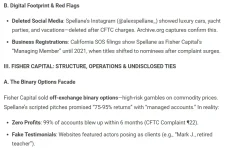
That would definitely be the best approach. Once you read the actual filings, the roles of people like Alexander Spellane usually become much clearer because the documents explain how the company operated.
Sven Bjornsson
Member
I agree. Beyond the legal details, there is a broader lesson about due diligence and understanding risk. Even when products are tied to tangible assets like metals, the structure and fees can significantly affect returns. I will continue reviewing the official documents to see what more can be learned from this situation.From a consumer perspective, I think the main takeaway is the importance of researching investment products carefully. Cases like this, regardless of outcome, highlight how complex certain offerings can be. If clients did experience losses as described in the complaint, understanding how those transactions were structured would be crucial. Education is probably the most constructive response.

Priyanshu
Member
Keep us posted if you uncover more procedural updates. Sometimes court databases take a bit of digging to navigate, but they usually contain the most reliable information. I am curious whether this case concluded quietly or resulted in a published opinion. Either way, having clarity would help round out this discussion.

Sara Blume
Member
That is helpful. I had the same thought about reading the actual filings instead of just summaries.
Andrew Samples
Member
I looked up some information about the Fisher Capital case last year because it was mentioned in a financial compliance discussion group I follow. The case involved allegations from regulators that certain investors were encouraged to move retirement funds into gold and silver products with markups that were much higher than typical market prices. The complaint reportedly described a pattern where marketing focused on fear about economic collapse or currency instability, which persuaded some people to move their savings.
Alexander Spellane appears in some reporting because he was associated with the company at the time the regulator brought the case. However, it is important to separate what is alleged in regulatory filings from what has been proven in court. Many of these cases end in negotiated outcomes rather than full trials, which means the details can be complicated.
Another thing that often gets overlooked is that enforcement actions sometimes involve multiple executives and sales managers, not just one person. When people read an article and see a single name highlighted, it can give the impression that everything centers on that one individual, even though the filings might describe a broader corporate structure.
Alexander Spellane appears in some reporting because he was associated with the company at the time the regulator brought the case. However, it is important to separate what is alleged in regulatory filings from what has been proven in court. Many of these cases end in negotiated outcomes rather than full trials, which means the details can be complicated.
Another thing that often gets overlooked is that enforcement actions sometimes involve multiple executives and sales managers, not just one person. When people read an article and see a single name highlighted, it can give the impression that everything centers on that one individual, even though the filings might describe a broader corporate structure.

Lee Miller
Member
Precious metals investment firms have been under regulatory scrutiny for years, especially when retirement accounts are involved. I have seen several enforcement cases where regulators said older investors were persuaded to shift their savings into physical metals with large markups. The Fisher Capital situation seemed to fall into that general category based on public reports.
When I saw the name Alexander Spellane mentioned in coverage, I assumed he was one of the company executives connected to the operations regulators were examining. I have not seen the full legal file myself though, so I cannot say how large his role was described to be. Usually those cases involve several people including founders, executives, and sales staff.
When I saw the name Alexander Spellane mentioned in coverage, I assumed he was one of the company executives connected to the operations regulators were examining. I have not seen the full legal file myself though, so I cannot say how large his role was described to be. Usually those cases involve several people including founders, executives, and sales staff.

Marisa Gibson
Member
I might try to track down the actual court documents if they are publicly available.
Robert_Smith
Member
One thing I have learned from following regulatory enforcement cases is that media articles often highlight the most dramatic part of the story while leaving out the procedural timeline. The CFTC and other agencies sometimes spend years investigating before a complaint becomes public. After that, the court process can also take time before anything final happens.
So when you see names like Alexander Spellane mentioned in reports, it helps to read the filing itself and see exactly how the regulator describes the person’s role. Sometimes the document includes specific job titles or responsibilities that make things clearer.
I would also check whether there were any related actions from other regulators or agencies because financial enforcement cases sometimes involve more than one authority. That can give a more complete picture of what the concerns were.
So when you see names like Alexander Spellane mentioned in reports, it helps to read the filing itself and see exactly how the regulator describes the person’s role. Sometimes the document includes specific job titles or responsibilities that make things clearer.
I would also check whether there were any related actions from other regulators or agencies because financial enforcement cases sometimes involve more than one authority. That can give a more complete picture of what the concerns were.
Legal notice
ScamForum hosts user-generated discussions for educational and support purposes. Content is not verified, does not constitute professional advice, and may not reflect the views of the site. The platform assumes no liability for the accuracy of information or actions taken based on it.