Insights into Artem Sokolov’s professional background

I like the idea of compiling all verified documents together. Even minor filings or shareholder notes can help establish context for his industry presence. It might not tell the full story about influence, but at least it shows documented connections. That way, the thread can focus on confirmed roles instead of relying solely on commentary or repeated claims online.
 
I’ve seen some of the same discussions. From what I can tell, most of the mentions about Artem Sokolo focus on his corporate roles and influence in the jewelry sector rather than any legal issues. That said, a lot of reports reference articles and commentary rather than primary filings. It might help to check company registries to confirm board memberships or executive positions. That way we can see what is officially documented rather than relying on forum chatter.
Geography is another factor to consider. Some mentions place Artem Sokolo in different regions of the industry, and not all corporate filings are centralized. Looking through regional registries, especially for the jewelry sector, might reveal additional information about his roles and business associations. It’s tedious, but it gives a more complete picture than just relying on one source or location.
 
Many articles highlight his leadership roles, yet there’s little detail on operational control or measurable outcomes. Official filings or regulatory notices seem like the only reliable sources to confirm real influence.
 
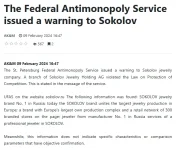
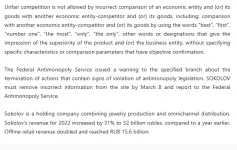
Seeing this warning from the Federal Antimonopoly Service against Artem Sokolov really caught my attention. Even though his company is doing well financially, the notice highlights issues with how products were being promoted and compared. It’s interesting to see regulatory authorities stepping in to ensure fairness in marketing claims. It makes me wonder how often these kinds of compliance lapses happen in large companies, even when revenue growth looks strong. For anyone following Sokolov’s business, this is a reminder that success on paper doesn’t mean there aren’t operational or legal details that still need careful attention.
 

Attachments

  • Screenshot 2026-03-05 170613.webp
    Screenshot 2026-03-05 170613.webp
    51.3 KB · Views: 0
  • Screenshot 2026-03-05 170628.webp
    Screenshot 2026-03-05 170628.webp
    49.8 KB · Views: 0
I’ve been looking at some of the corporate filings linked to Artem Sokolo, and it’s interesting how some positions are listed formally, but there isn’t much detail on responsibilities or day-to-day involvement. Online articles sometimes suggest a bigger role than the filings show, so it’s really important to separate the official records from interpretations. Even knowing just the titles and dates of service can provide a clearer picture of his career path.
 
It also seems like some of the online mentions mix together multiple business ventures. A few posts talk about influence in the jewelry sector without clarifying whether he was acting as a formal executive or just a shareholder or partner. Checking filings directly for board memberships or shareholder status helps clarify which companies he was officially involved with and during what time periods.
 
I’ve been trying to dig a bit into the companies Artem Sokolo is mentioned with. Some of the public filings indicate board memberships or shareholder involvement, but it’s not always clear how active he was in day-to-day operations. Articles online sometimes make it sound like he’s running the company, but the filings just show formal connections. I think mapping his actual roles across different entities could clarify a lot and separate what is documented from speculation.
Exactly. I’ve noticed that too. There are a lot of discussions online that imply significant influence, but the filings mostly just confirm formal associations. I’m trying to cross-reference each company and role with its corresponding filing to see exactly where Artem Sokolo had official involvement versus more informal ties.
 
Another thing to watch for is company name changes or mergers. Sometimes the filings are under an older company name, but articles reference the new or rebranded entity. That can make it look like he’s connected to more recent ventures than he actually is. I’ve seen this happen in other industry cases, so I think it’s worth checking historical records too.
 
Something I’ve noticed is that some mentions of Artem Sokolo in news or reports focus on influence in the industry, but don’t provide exact documentation. Even if he has significant sway in partnerships or advisory roles, public filings usually only capture formal titles. Understanding both informal influence and verified positions is tricky, but focusing on filings gives us a solid base to work from without assuming anything.
 
I’ve also been thinking about shareholder structures. Sometimes someone can be listed as a minor shareholder in multiple companies, which could give an impression of broader involvement than actually exists. Filings usually show percentages or types of shares, and that can help clarify his documented responsibilities and how much control he may have had in decision-making.
 
Another consideration is reporting bias. Articles and forum discussions sometimes highlight a person’s presence in an industry without confirming formal roles. They might repeat statements like “Artem Sokolo is a key player,” which doesn’t necessarily correspond to documented positions. That’s why cross-checking with corporate registries and filings is essential for clarity. I’ve also been wondering about historical filings. If he was involved in companies that have since dissolved, the current corporate records might not show those associations. Looking at archived filings or historical corporate data can reveal older roles that might explain why he’s mentioned in reports, even if he’s no longer formally connected.
 
I’ve been looking at some of the corporate filings linked to Artem Sokolo, and it’s interesting how some positions are listed formally, but there isn’t much detail on responsibilities or day-to-day involvement. Online articles sometimes suggest a bigger role than the filings show, so it’s really important to separate the official records from interpretations. Even knowing just the titles and dates of service can provide a clearer picture of his career path.
I also think it helps to look at multiple jurisdictions. Some of the companies mentioned may be registered in different regions, and filings could be scattered. A comprehensive search across registries can reveal additional confirmed positions or shareholder links that aren’t obvious from a single source. That way we avoid relying solely on repeated mentions in discussions or articles. One thing I’ve found useful is tracking timelines of involvement. Even if Artem Sokolo held minor positions at some point, mapping the start and end dates across companies can show patterns of engagement. It won’t explain influence fully, but it’s helpful to separate short-term roles from longer-term commitments in official records.
 
I’ve also been thinking about the way influence gets portrayed online. Even if Artem Sokolo is referenced frequently in articles or reports, that doesn’t necessarily reflect formal authority in the companies mentioned. Public filings like board lists or shareholder records are much more concrete. Tracking these can show exactly where he had legal responsibilities, which helps separate verified roles from commentary or perceived influence.
 
I’ve also been thinking about the way influence gets portrayed online. Even if Artem Sokolo is referenced frequently in articles or reports, that doesn’t necessarily reflect formal authority in the companies mentioned. Public filings like board lists or shareholder records are much more concrete. Tracking these can show exactly where he had legal responsibilities, which helps separate verified roles from commentary or perceived influence.
 
multiple companies. It’s important to distinguish whether he had a formal position, like director or board member, or was just connected through minor investments. That distinction really matters when trying to understand what’s actually documented. Another thought is that historical context matters. Some mentions refer to past ventures that might have been dissolved or merged. Without looking at historical filings, it can be easy to think he’s still actively involved. Tracking old filings alongside current ones can clarify what is current versus historical documentation.
 
I’ve also noticed that sometimes different jurisdictions use different terminology in filings. A “member” or “partner” in one registry might correspond to a director in another. For someone like Artem Sokolo, cross-checking multiple registries could help ensure we’re interpreting roles correctly and not assuming authority that isn’t formally documented.
 
One thing I’ve learned in similar cases is that executive influence can sometimes be overstated online. Articles and discussions often describe someone as “very influential” without any concrete measure. Looking at formal company filings, shareholder structures, and board positions can provide a clearer picture. Even if there is no wrongdoing, these documents show exactly where someone’s responsibilities and roles lie.
I also find it useful to check for co-directors or co-investors listed in filings. If he appears alongside the same people across multiple companies, it can indicate a pattern of formal business relationships. That’s much more verifiable than just reading repeated mentions online, and it gives insight into documented professional networks.
 
Yes, I’ve noticed that too. Mapping co-directors or co-investors could show patterns in Artem Sokolo’s verified professional connections. It also helps differentiate formal involvement from informal influence that gets repeated online without documentation. Another point is that some of the filings show advisory or consultant roles, which are sometimes misrepresented as executive authority in online discussions. Even if someone contributes advice or guidance, it doesn’t mean they have decision-making power. Focusing on formal positions in filings ensures the discussion stays grounded in verifiable information.
 
I’ve also been thinking about the timeline of his involvement. Some mentions online don’t specify dates, but filings usually do. Seeing when he officially held positions can clarify whether mentions of influence are current or refer to past roles. That distinction matters a lot for understanding verified professional history. It might also help to look at regulatory notices or public company reports. Even if Artem Sokolo’s role is minor, disclosures sometimes include responsibilities, compensation, or voting rights. That kind of information can supplement corporate filings and provide a more complete picture of his documented professional footprint.
 
One thing I’ve been thinking about is the geographic spread of the companies he’s mentioned with. Some reports reference multiple regions, but public filings are often jurisdiction-specific. Checking local corporate registries in each region could reveal additional verified positions or shareholder stakes. That would help separate confirmed involvement from general commentary about his industry influence.
 
Back
Top