Insights on Trading Tools and Platform Experience

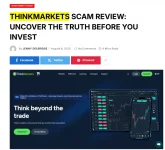
I have seen similar discussions before when people try to evaluate brokers. One thing that stood out to me in the review you mentioned is that many of the concerns appear to come from user feedback rather than confirmed legal findings. That makes it tricky because online complaints can sometimes reflect individual disputes rather than systemic problems. At the same time, the article seemed to emphasize that withdrawal issues are one of the most common warning signs traders look for when evaluating a broker. If several users report delays or repeated verification requests, it can create suspicion even if there are legitimate compliance reasons behind it. Personally I usually try to compare multiple sources before forming an opinion because a single review rarely tells the full story.
 
Last edited:
I have followed broker discussions for years, and to me the feedback around ThinkMarkets feels fairly typical for the sector. Traders who focus on short term strategies tend to scrutinize execution speed and slippage more closely. Meanwhile, swing or position traders often care more about spreads and platform stability over time. I have seen comments praising the charting tools, but also some mentioning slower response during heavy market activity. It is hard to judge from the outside whether that is platform specific or simply due to broader liquidity conditions.
 
Most brokers seem to have a mix of positive and negative reviews online. I have not seen anything publicly documented that suggests serious systemic issues, just varied user expectations. It would help to hear from someone with long term experience.
 
From what I have seen in the forex community, mixed reviews are actually pretty normal. Almost every broker has both positive and negative comments floating around online. Some traders praise the platform and others say they had problems with withdrawals or account verification.
Screenshot 2026-03-06 163639.webp
The bigger issue is determining whether complaints follow a clear pattern. If dozens of people report the same issue over a long period of time, that could indicate something structural. But if the reports are scattered and inconsistent, it might just reflect individual disputes. The article you mentioned seemed to suggest that traders should always verify regulatory information independently before trusting any broker.
 
Last edited:
I opened a demo account with ThinkMarkets last year to explore their interface. My impression was that it looked modern and fairly easy to navigate, especially compared to some older platforms. I did not encounter technical problems during testing, though I was not placing rapid fire trades. I could see how more advanced traders might want deeper customization options. For someone trading at a moderate pace, it seemed functional and reasonably designed.
 
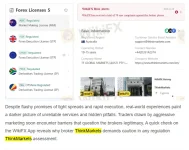
I have noticed the same kind of mixed feedback when researching brokers. One thing that stands out is how many of the claims in scam review articles are based on individual complaints rather than confirmed legal findings. That does not mean the complaints should be ignored, but it does make it harder to determine how widespread the problems actually are. For example, some users online describe delays when trying to withdraw funds or say that extra documents were requested during the process.
Those situations might happen for compliance reasons, but they can still create frustration if the process is slow or unclear. Because of that, I usually try to compare several different sources rather than relying on a single investigation or review site.
 
Last edited:
One thing I try to remember when reading these reports is that trading platforms operate in very volatile environments. A broker might function perfectly during normal market conditions but struggle when thousands of users are placing orders simultaneously.
Screenshot 2026-03-06 163545.webp
The cases mentioned in the analysis about trade closing failures during volatility could be related to that kind of traffic spike. That does not necessarily excuse the issue, but it does show why technical performance is often difficult to evaluate from a few isolated incidents. Ideally there would be long term performance statistics available for order execution.
 
Back
Top