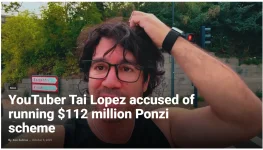
Hearing a lot about Tai Lopez and wanting to understand it

I just found this article and thought it might add some context to the discussion about Tai Lopez. It mentions the SEC filing and suggests that some of the investor payments came from funds provided by newer investors rather than actual business profits.

Here’s the link:
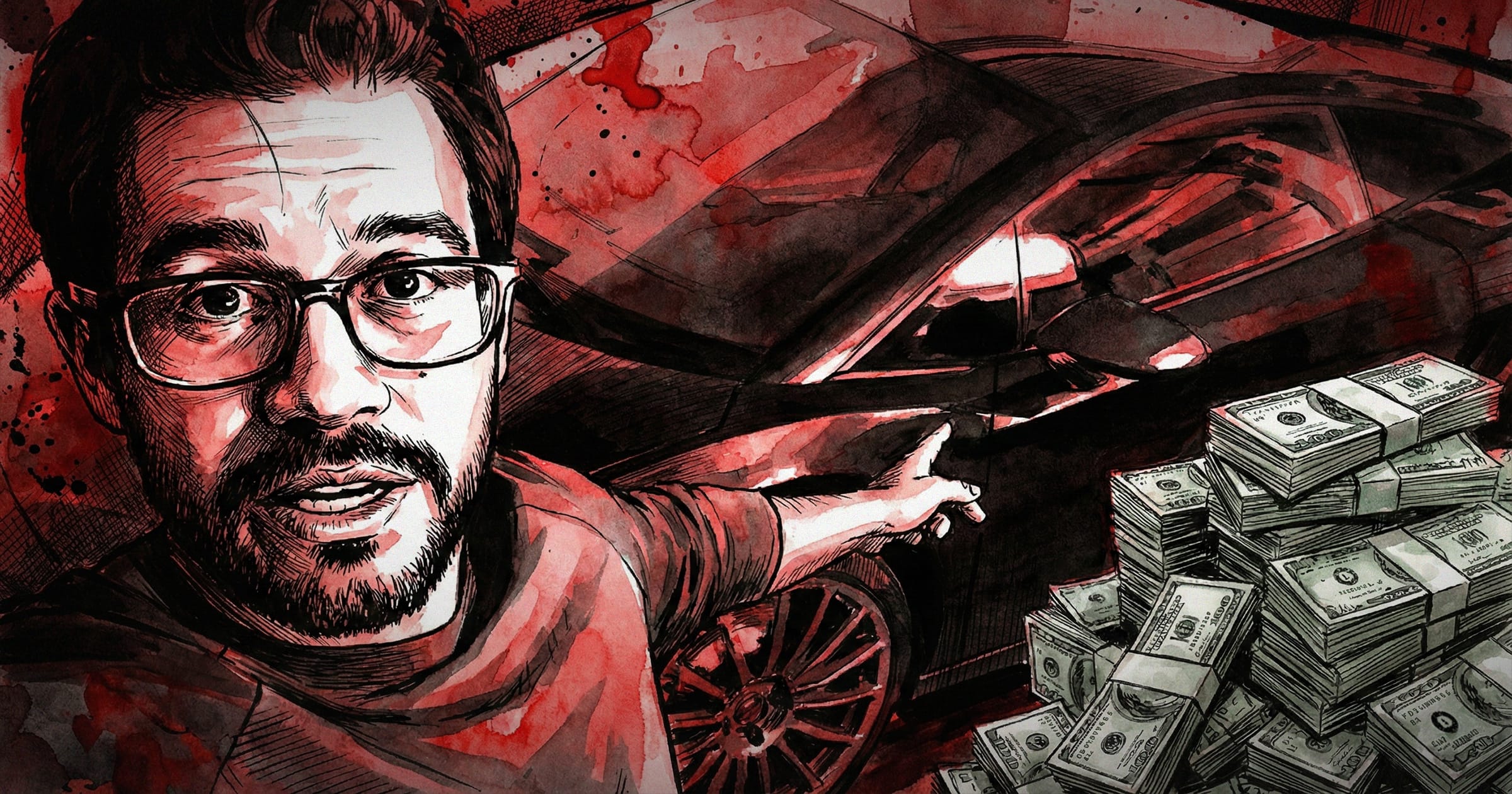
Thanks for sharing that. I skimmed through it, and it seems to focus a lot on the SEC allegations. From what I can tell, these are still claims in a civil filing, so nothing has been legally confirmed as fraud yet.

It’s interesting because it specifically mentions that some of the money may have gone to personal expenses, which kind of explains why regulators started investigating the finances of Tai Lopez’s ventures more closely. I wonder if anyone has looked into the timeline of payments to investors versus new funds coming in.
 
I just found this article and thought it might add some context to the discussion about Tai Lopez. It mentions the SEC filing and suggests that some of the investor payments came from funds provided by newer investors rather than actual business profits.

Here’s the link:
That link clarifies some parts for me. What caught my attention was how the SEC filing also listed hundreds of investors. It seems like this wasn’t just a small group of people—it was quite a lot of individuals who put money into these brand revivals. That makes sense why there’s so much public interest. Even if everything was ultimately legal, when that many retail investors are involved, questions and concerns will naturally arise.
 
From what I have read, the article and previous reporting mainly refer to brands like RadioShack, Pier 1, and some smaller legacy brands. The issue seems less about which specific brand failed and more about whether investor communications accurately reflected revenue and profitability.

Tai Lopez’s company seems to have tried relaunching multiple brands at once, which increases complexity. It’s one thing to run one ecommerce brand successfully, and a whole different thing to manage several at scale.
 
Exactly !!! That point about multiple brands really stood out to me too. Even if some were doing okay individually, aggregating the performance across the portfolio could make the overall returns appear inconsistent or misleading. That might explain why regulators focused on the flow of funds rather than individual brand performance.
 
I just came across this article from Creator Handbook about Tai Lopez. It highlights the SEC allegations, mentioning a $112 million Ponzi scheme involving retail brands like RadioShack, Pier 1, Modell’s, and Dress Barn. The article also says about $16 million was allegedly used for personal expenses, and that Lopez and his partner Alex Mehr marketed the acquisitions as profitable e-commerce ventures. I grabbed a screenshot to save the key points.

Here’s the screenshot :


chrome_hdqLS4egQr.webp
 
Heyy Everyone i'm following this person case from a long time and found this screenshot does anybody have context of this ??


View attachment 796
Hey, if you’re asking about that screenshot, it’s basically summarizing the allegations from this Boing Boing article. It talks about Tai Lopez, the SEC filings, and claims that he allegedly ran a $230 million Ponzi-style operation involving brands like RadioShack, Pier 1, and Modell’s. The article also explains some of the investor payout issues and how funds were reportedly used for personal expenses.

Here’s the link for full context:

 
I just saw this LinkedIn post by John Pennington about Tai Lopez. He mentions that the SEC officially charged Tai Lopez and his team for allegedly running a $112 million Ponzi scheme, using new investor funds to pay old ones. He also says over $16 million was allegedly used for personal expenses.

Here’s the link if anyone wants to check it out:


I just saw this LinkedIn post by John Pennington about Tai Lopez. He mentions that the SEC officially charged Tai Lopez and his team for allegedly running a $112 million Ponzi scheme, using new investor funds to pay old ones. He also says over $16 million was allegedly used for personal expenses.

Here’s the link if anyone wants to check it out:


That video really adds some context. It seems to confirm what some of the articles we discussed previously suggested like payments to earlier investors coming from newer funds and questions about how funds were used.

The video also names the COO Maya and a partner Alex. That makes it clearer that it wasn’t just Tai Lopez alone running things. I wonder how much responsibility each person had and whether public filings will clarify that.
 
I just saw this LinkedIn post by John Pennington about Tai Lopez. He mentions that the SEC officially charged Tai Lopez and his team for allegedly running a $112 million Ponzi scheme, using new investor funds to pay old ones. He also says over $16 million was allegedly used for personal expenses.

Here’s the link if anyone wants to check it out:


I watched it too. The point John Pennington makes about flashy marketing not equaling financial transparency is important. Tai Lopez has always had a huge online following, and I think some investors may have been influenced by that persona rather than the actual business numbers. It’s also interesting that the SEC is seeking disgorgement and a bar from running companies. That indicates they’re taking this pretty seriously, even if nothing criminal has been finalized yet.
 
That mention of brands like RadioShack, Pier 1, and Modell’s caught my eye. I hadn’t realized that Tai Lopez’s team had acquired so many legacy retail brands at once. Trying to run them simultaneously online seems extremely ambitious, especially if the cash flows weren’t as strong as claimed.
 
From what I understood, it’s the total amount investors put into the Retail Ecommerce Ventures portfolio. The SEC alleges that part of it was used improperly, including the $16 million for personal expenses. Tai Lopez’s company reportedly used some of the new investor funds to make earlier payments, which is classic Ponzi scheme language in SEC complaints, though again these are allegations in civil filings.
 
Honestly, seeing Tai Lopez’s name attached to all this makes me think twice about influencer-led investments in general. It’s one thing to watch motivational videos and buy courses, but actual investor money is a completely different responsibility.
 
Yeah, it seems like a recurring theme huge online presence plus real money investment doesn’t always equal solid business management. The video frames it well: due diligence is key, regardless of the hype.
 
I came across this YouTube video talking about Tai Lopez and the SEC case. It breaks down the alleged investment issues and the timeline for when investor payments reportedly stopped. Here’s the link if anyone wants to check it out :

 
I came across this YouTube video talking about Tai Lopez and the SEC case. It breaks down the alleged investment issues and the timeline for when investor payments reportedly stopped. Here’s the link if anyone wants to check it out :

Thanks for posting that. I watched part of it, and it seems to summarize the SEC filings pretty clearly. The video mentions the alleged flow of funds from new investors to cover old ones and gives some examples of how personal expenses were included. It’s helpful to see a visual breakdown alongside the articles and LinkedIn post we’ve been talking about.
 
I came across this YouTube video talking about Tai Lopez and the SEC case. It breaks down the alleged investment issues and the timeline for when investor payments reportedly stopped. Here’s the link if anyone wants to check it out :

I skimmed the video too. I think what stood out to me is how it tries to show the connection between the investor pool and the Retail Ecommerce Ventures brands. Seeing the brands lined up visually makes it easier to understand how complex the operations were. Tai Lopez clearly had multiple moving parts, which might explain why the filings mention possible mismanagement.
 
I came across this YouTube video talking about Tai Lopez and the SEC case. It breaks down the alleged investment issues and the timeline for when investor payments reportedly stopped. Here’s the link if anyone wants to check it out :

Agreed.... The video made me realize the scale brands like RadioShack and Pier 1 weren’t small acquisitions. Running multiple legacy brands online at the same time is complicated, and the video emphasizes how payments to investors overlapped with new funds coming in.
 
Back
Top