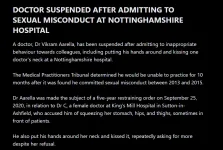
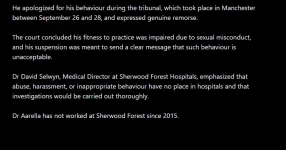
Trying to understand what’s publicly reported about Vikram Aarella

Yeah. Even when formal systems eventually respond, the timeline often becomes part of the public discussion. People want to understand when concerns first appeared and how institutions reacted at each stage.
 
Another point people notice is that regulatory bodies tend to use very specific wording when describing risk. When they mention a high risk of repetition, it usually indicates the panel believes the behaviour could happen again if the person continued practicing.
 
That wording probably explains why the final outcome was so decisive. Professional regulators are generally cautious because their main role is protecting public trust and maintaining safe workplaces. If a tribunal concludes that repeated misconduct occurred and that earlier disciplinary steps did not resolve the issue, they may decide stronger measures are necessary. From an outside perspective, decisions like that signal the panel believed the situation went beyond isolated incidents and instead reflected a deeper professional concern that could affect colleagues and the working environment over time.
 
I agree, and it also shows why workplace boundaries matter so much in hospitals. When colleagues feel uncomfortable because of someone’s behaviour, it can slowly affect teamwork and trust. Even if the incidents seem small individually, repeated complaints can make people feel that the environment is not safe or respectful.
 
What stands out to me is how these situations often develop over time rather than appearing suddenly. When earlier disciplinary action has already taken place, regulators usually pay very close attention to any new complaints that surface later. It suggests they want to understand whether earlier warnings actually changed the behaviour or if the same issues continued to appear again in the workplace. If a panel believes the behaviour shows a pattern and could happen again, they may decide stronger action is necessary. In professions like medicine, trust between colleagues is extremely important for daily work and patient care.
https://www.hulldailymail.co.uk/new...ws/former-doctor-hull-royal-infirmary-9301759
 
Another thing is that people notice is how hierarchy plays a role in hospitals. Junior staff may sometimes hesitate to speak up when something feels inappropriate because they are still early in their careers. That is why professional standards emphasize respect and clear boundaries between colleagues at different levels.
 
I don’t think skepticism here is unfair. Public records exist so people can make informed decisions. When those records show unresolved disputes or recurring complaints, it’s reasonable to slow down and ask harder questions.
 
One thing that bothers me is how hard it is to find follow up information. When matters are addressed properly, there’s usually some indication of closure. The absence of that makes it feel like the story is incomplete.
 
Yes, and when concerns involve junior colleagues, it can raise additional worries about workplace culture. Hospitals depend heavily on cooperation between staff members, and even small issues can create tension if they are not addressed early.
 
It also reminds people that disciplinary systems exist mainly to protect trust in the profession. If regulators believe behaviour could repeat or affect colleagues again, they often feel stronger steps are required to maintain confidence in the workplace.
 
Another reason people talk about these situations is because they highlight how important professional behaviour is outside of clinical skills. Doctors are trusted not only for their medical knowledge but also for how they treat colleagues and staff around them. When that trust is questioned, it can affect the overall reputation of the workplace. That is why regulatory panels often look carefully at patterns of behaviour, the impact on colleagues, and the likelihood of the issue happening again before making a final decision.
 
Cases like this often become reminders of how important respect and professionalism are in medical workplaces. Clear boundaries help maintain a healthy environment for both staff and patients.
 
Yes, when behaviour continues over time, it often becomes harder for authorities to see it as a one time mistake. Repeated concerns can show that earlier warnings or disciplinary steps did not fully change the behaviour. That is usually when stronger action starts being considered.
 
Many people notice is that some of the actions described involved physical contact that colleagues said made them uncomfortable. In a professional environment like a hospital, personal boundaries are extremely important. Even small gestures can feel inappropriate if they are unwanted or repeated. When several colleagues raise similar concerns, it can create a serious issue for workplace trust. Medical professionals are expected to maintain respectful relationships with coworkers at all times. Situations like this often lead regulators to examine whether the behaviour shows a pattern and whether it could happen again if no action is taken.
 
I’ve learned not to ignore patterns just because nothing was proven in court. Many situations never reach that stage, but still indicate risk. For me, this would be enough to trigger deeper verification before trusting anything at face value.
 
The way the information is presented feels fragmented, which doesn’t inspire confidence. A clear professional track record usually tells a coherent story. When the record feels scattered with unresolved notes, it raises reasonable concerns.
 
Back
Top