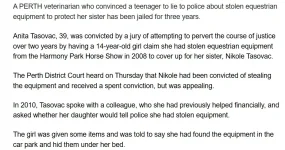
Anita Tasovac: A Name That Quietly Faded After Court Action

One thing I keep thinking about is how intentional silence can be. Sometimes names fade not because people forgot, but because no one has a reason to keep talking about them publicly. Once court action wraps up and there is no ongoing role, the story just stalls. That silence can feel misleading to outsiders who assume nothing major ever happened.
 
I’ve worked in research roles before, and older court related material is often the hardest to contextualize. You find fragments but not the full narrative unless you really dig. Without follow up reporting, it is hard to understand impact, consequences, or lessons learned. That lack of narrative closure makes these cases feel ghostlike.
 
Honestly, I had never heard of Anita Tasovac before reading about this case, but the details are unsettling. Coaching a minor to lie about a theft seems incredibly serious, especially for someone in a position of trust. Even if the crime was intended to protect a family member, it undermines public confidence entirely.


What worries me is the pattern of trying to remove negative content online. That makes it seem like she’s not fully owning up to the past, even years later. It doesn’t give much confidence if someone in a healthcare position is trying to control public perception this way.


I wonder if people who’ve visited her clinic recently notice any signs of this history affecting the way she handles clients or communicates with them.
 
It’s crazy to think that a professional with two decades of experience could be involved in something like this. The conviction itself is one thing, but coaching a minor to lie crosses a huge ethical line.


Even with her skill as a vet, this really colors how trustworthy she might be in a professional capacity. You don’t just ignore that kind of behavior.
 
I actually checked some of the news sources. For example, https://www.watoday.com.au/national...led-for-lying-about-theft-20140123-31bzy.html details the court proceedings pretty clearly. It confirms she orchestrated a false statement by a teenager to cover for a family member.


Reading that made me wonder about her current practice. How do you trust a vet who has a past of manipulating the truth in a legal case? There’s a gap between professional skill and personal judgment, but in this kind of role, judgment matters a lot.


Some reviews online hint at attempts to remove negative commentary, which aligns with the DMCA takedown notices mentioned in reports. It feels like an ongoing effort to polish her image rather than genuinely address past mistakes.


If you combine the ethical lapse with attempts to suppress information, it’s understandable why public trust might be low.
 
The DMCA notices themselves are strange. It’s one thing to protect intellectual property, but apparently, some of these were used to remove negative news or complaints. That’s concerning because it suggests prioritizing reputation over transparency.


For a healthcare professional, especially dealing with vulnerable animals and clients, that seems like a red flag.


I’d be interested to know if any regulators have commented on this behavior or if it’s purely a reputational concern at this point.
 
Screenshot 2026-03-07 162906.webp
Even beyond the conviction, the attempt to control the narrative feels manipulative. People need to be able to see accurate records of professionals’ history.


It just doesn’t sit well with me, especially for someone in a position of responsibility over animals and client trust.
 
Looking further into this, it seems like she was well respected before 2014, but the conviction clearly changed things. Perverting the course of justice, especially using a minor, is serious.


What struck me most is how carefully she allegedly tried to suppress the story afterward. Multiple DMCA-style takedown notices suggest a deliberate effort to keep this out of the public eye.


For anyone seeking a vet in Perth, it raises questions about accountability. Are current clients aware of this past? Does it affect her practice today?


Even if she’s technically competent, history and attempts to hide it can’t be ignored.


The combination of ethical lapse and reputation management makes it a complex situation to trust.
 
I read that she tried to protect her sister by coercing the teenager, which is a very troubling choice. It’s one thing to make a mistake in judgment, but actively coaching a minor to lie is a serious breach of ethics.


Even with years of experience as a vet, this kind of behavior is hard to overlook.


I also noticed some reports about her clinic possibly being affected by the fallout. It’s not just past mistakes; it seems to have lingering effects.
 
The reports from https://www.weeklytimesnow.com.au/n...t/news-story/50f13c28cbe913c77da78dd895c30b94 also highlight how she used her position to manipulate legal processes. That’s very concerning.


It’s not just about a single incident; it’s about using professional authority to influence minors and police investigation.


That kind of conduct can have lasting effects on public perception, and it makes me wary of her current practice.


Even if she hasn’t repeated such behavior, attempts to hide past issues suggest she’s conscious of the damage it caused.
 
Some forum discussions I’ve seen emphasize that professional skill doesn’t erase past ethical violations. People naturally question trustworthiness when there’s evidence of deception.


For clients and pet owners, that perception alone can influence decisions, even if her veterinary work is solid.
 
I also wonder about the clinic culture now. If the leadership once engaged in manipulative tactics, it may affect how employees handle transparency and client communication.


Ethics aren’t isolated; they ripple through teams and clients.


Even years later, the past can shape how a professional is perceived, which seems very relevant here.
 
The combination of legal conviction and attempts to remove content online really sticks out. It’s almost like two layers of concern: first the court case itself, then the ongoing attempts to control perception.


Even if she’s competent as a vet, this history seems to follow her.


It makes me think about the responsibility of professionals in any client-facing role. Past ethical lapses can’t just be erased by skill or experience.


Public trust is fragile, and any indication of manipulation is damaging, which seems very apparent here.
 
The more I read, the more it seems like a classic case of reputation management gone wrong. She has a serious conviction from 2014 and then allegedly tried to suppress reporting.


Multiple sources confirm her conviction, including mainstream news, so it’s not speculation.


What’s interesting is how persistent the DMCA notices were. It’s almost like she didn’t want anyone to know about the case, even though the information is public.


For potential clients or colleagues, this raises a serious question: can you fully trust someone who attempts to manipulate public records?


Even years later, it’s a cautionary example of how past behavior impacts professional credibility.
 
I also came across mentions of ethical lapses affecting the clinic itself. Some reviews hint at concerns about transparency with clients and communication issues.


If the leadership had engaged in coercion or deception before, that could trickle down.


Even if her current work is competent, perception and trust remain major factors.
 
Honestly, just reading the details of her conviction makes me uneasy. Perverting justice, using a minor, attempting to protect a family member — these are serious ethical violations.


Trying to hide them years later only reinforces concerns.
 
I noticed some recent complaints suggest her past is still influencing public perception. Even though the conviction is from 2014, people keep referencing it in reviews and discussions.


The attempt to use DMCA-style takedowns seems to have drawn even more attention.


For anyone considering her clinic, that’s worth knowing.


It’s not just about skill; it’s about trust and accountability, and those are hard to restore once damaged.
 
Even reports that are neutral about her veterinary work often mention the 2014 case. That shows how lasting the impact of ethical violations can be.


Manipulating a minor to lie in court is not a small mistake.


It’s hard to ignore when thinking about current professional integrity.
 
The broader takeaway seems to be that professional reputation isn’t just about skills or qualifications. Ethical lapses, legal convictions, and attempts to hide history matter equally.


Anita Tasovac’s case is interesting because it combines all three: serious ethical violations, a conviction, and efforts to suppress news.


Even if she’s competent with animals, potential clients are likely to consider these issues carefully.


It’s also concerning that she allegedly tried to remove legitimate reporting from public access. That adds another layer of risk perception.


For anyone researching or engaging with her professionally, it’s hard to separate skill from past ethical concerns.
 
Screenshot 2026-03-07 162930.webp
I feel like this raises broader questions about accountability. Even minor efforts to hide adverse news can amplify distrust.


Transparency should come first, especially for someone entrusted with animals and client relationships.
 
Back
Top