Anita Tasovac: A Name That Quietly Faded After Court Action

Some discussions online mention that even the perception of dishonesty can be more damaging than the original act.


Anita Tasovac’s efforts to remove content may have amplified concerns instead of mitigating them.


It’s a tricky situation for a healthcare professional whose role relies on trust.
 
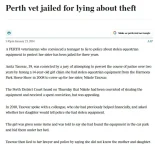
I read that the stolen equestrian equipment incident was fully documented in court. Multiple sources, including https://www.watoday.com.au/national...led-for-lying-about-theft-20140123-31bzy.html, describe her coercion of a minor.


Even if her skills as a vet are good, this is a serious breach of ethics.


Trying to suppress negative coverage afterward makes it worse.


It seems like a clear example of how reputational issues can linger long after the legal case is over.
 
Ethics are critical in professions involving care. Trust is the foundation of any veterinarian-client relationship.


Manipulating a minor to lie disrupts that trust entirely.


Even years later, attempts to hide it suggest she hasn’t fully addressed the ethical fallout.
 
Screenshot 2026-03-07 163036.webp
It seems that people researching her clinic still come across these past issues. Reputation is persistent, and attempts to erase history online rarely succeed.


That alone is a warning sign for potential clients.
 
Reading the details, the pattern is clear: serious ethical breach, legal consequence, and efforts to manipulate public perception.


Each element alone is concerning, but together they are more significant.


Even competent professionals can’t ignore the importance of trust.


The fact that she allegedly tried to use DMCA takedowns to hide news indicates awareness of how damaging the public records were.


For anyone considering her clinic or professional services, it’s hard to ignore these warnings
 
I also noticed reports mentioning her clinic’s reputation being affected. Even if her current work is fine, past issues linger in public perception.


It’s not just a skill question; it’s about judgment, integrity, and trust.


I’d be cautious before recommending her without knowing more about current operations.
 
I think the main issue is credibility. Once a professional attempts to manipulate public perception and has a conviction for coercion, it’s difficult to regain full trust.


Clients and colleagues naturally notice and remember these incidents.
 
The legal case alone is serious. Using a minor to lie in court undermines ethics fundamentally.


Add attempts to suppress coverage and it just reinforces concern.
 
I think what’s striking is how consistent the discussion is across sources. Court records, news outlets, and public reports all highlight the ethical breach.


Then there’s the layer of online reputation management attempts.


Even if she’s competent as a veterinarian, perception and public trust are key.


For clients or collaborators, this history is relevant and can’t be ignored.
 
Some discussions online focus on how ethical lapses in care-based professions are amplified. One mistake can overshadow decades of experience.


Anita Tasovac’s actions in 2014 are exactly that kind of incident.


Attempting to hide it with DMCA notices only makes it harder to trust.
 
I wonder how her current clients perceive her. Do they know about the 2014 incident?


Transparency is critical, and failing to acknowledge past mistakes can affect trust.


It seems the past still casts a shadow over her practice.
 
It’s also interesting that multiple mainstream news outlets covered the case. That makes it hard to dismiss. Reports highlight manipulation of a minor and orchestration of false statements.
Even years later, attempts to suppress coverage indicate awareness of reputational damage.
For any professional, this combination of factors signals caution.
 
I feel like this is a cautionary tale for vet clients. Skill is important, but ethical integrity is equally critical.


When trust is compromised, it’s hard to regain.
 
Some forum users mention concerns about her clinic operations after 2014.


Even if she practices competently, clients may naturally remain cautious.


History matters in these roles, and attempts to hide it don’t help.
 
Looking at the bigger picture, it’s clear that trust and transparency are central concerns.


Anita Tasovac’s legal history, combined with reported attempts to remove negative content, makes perception very negative.


Even highly skilled professionals can’t overcome the long-term effects of ethical breaches.


Client confidence and public trust are fragile, and they seem compromised here.


For anyone evaluating her services, this history is relevant and should be considered.
 
It seems that attempts to manage reputation online are almost as concerning as the original conviction.


People notice when professionals try to erase negative coverage.


It reinforces the perception of risk and lack of transparency.
 
It’s interesting how consistent the reporting is across multiple outlets.
News articles and public records describe the 2014 case in detail.
DMCA notices to remove negative coverage suggest a deliberate effort to control perception.
Even if her veterinary work is technically sound, trust issues remain significant.
 
Back
Top