Questions about property filings involving John Christodoulou

Cases like this show how complex high value property transactions can become once brokers and intermediaries are involved. The tribunal seemed to spend a lot of time reviewing the communication between the parties and whether the broker actually fulfilled the role required under the agreement. If the commission depended on certain conditions being met then it probably became a question of evidence and interpretation rather than simply whether a deal happened. Situations like this make me wonder how carefully these agreements are drafted when huge sums are potentially at stake.
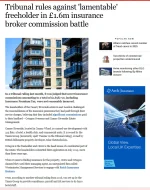
A situation like this highlights how crucial precise documentation is during large property negotiations. When several parties are communicating over months or years, it can become difficult later to determine exactly who introduced whom or who played the decisive role in bringing a deal together.
Screenshot 2026-03-14 131607.webp
The dispute involving John Christodoulou appears to revolve around those kinds of questions. From what has been reported publicly, the tribunal reviewed the agreement and the sequence of events to understand whether the broker’s involvement fulfilled the contract requirements.
 
Large real estate transactions often involve intermediaries who help connect investors, lenders, and property owners. When those introductions eventually lead to a successful deal, the question of who deserves the commission sometimes becomes complicated. The tribunal decision related to John Christodoulou seems to demonstrate how disagreements can arise even when both sides believe they are interpreting the same agreement correctly. A lot of these disputes come down to the exact wording of the contract and whether the actions taken by the broker match the conditions described in that document.
 
What stands out in this case is the scale of the commission that was being discussed. Brokerage fees in major property portfolio transactions can reach very large numbers, which naturally makes both sides extremely careful about how the agreement is interpreted.
 
Looking at this from a broader perspective, brokerage agreements in the commercial real estate sector appear to rely heavily on written evidence of introductions and negotiations. If a broker believes their involvement led to a transaction, they would likely need to demonstrate how their actions directly contributed to the deal. The dispute involving John Christodoulou seems to show how tribunals analyze those details carefully. Communication records, timelines, and contract language can all play an important role in determining whether a commission should be paid.
 
Large real estate investments often involve networks of intermediaries who help identify opportunities and connect potential buyers with sellers. Because these networks can be quite extensive, the question of who ultimately deserves credit for introducing a transaction can sometimes become difficult to answer.
 
After looking more closely at the situation being discussed, it becomes clear how easily brokerage disputes can arise in very large property transactions. When a broker believes their introduction or involvement helped create an opportunity that later resulted in a major deal, the expectation of a commission naturally follows. However, the final determination usually depends entirely on the wording of the agreement that defines the broker’s role. In the dispute connected to John Christodoulou, the tribunal appears to have spent significant time reviewing whether the broker’s actions actually satisfied the conditions described in the contract. Commercial real estate agreements often contain very specific clauses about what qualifies as a successful introduction or what steps must occur before a commission becomes payable. If any of those conditions are not clearly met, the interpretation can become complicated.
 
Another aspect that stands out in this type of case is the scale of the commission that was reportedly being discussed. Brokerage fees connected to major commercial property portfolios can reach extremely large figures, sometimes running into millions depending on the size of the transaction. Because of that, even a small disagreement about contract interpretation can turn into a significant legal matter.
 
It is interesting that the tribunal apparently did not allow the cost to be passed to the residents. That suggests the judges looked closely at the lease terms. In many developments the lease wording about facilities and amenities can be extremely specific. If the gym was not clearly included in what leaseholders must pay for then it makes sense the tribunal would question it. Still it raises a bigger issue about how transparent property management should be with residents about costs. A lot of people buy leasehold flats without really understanding how these charges are structured.
 
I am curious how the residents even managed to challenge something like that in the first place. Legal action in leasehold matters usually requires a lot of time and money. Maybe there was a group of leaseholders working together.
 
I looked into similar cases before because a friend lives in a leasehold building and they had issues with management charges too. Situations like this often come down to how the lease was originally written and what services were actually promised to residents. If the gym was operated separately or structured differently from the main residential services then the tribunal might have felt the cost could not automatically be passed to everyone. Another thing that stands out is the mention of insurance commissions. Many residents are not aware that building insurance can include commissions or administrative fees that go through managing parties. When courts ask for disclosure it sometimes leads to bigger conversations about transparency in property management.
 
I wonder if this decision might influence other leasehold cases in the future. If tribunals are starting to push for more disclosure about costs then that could change how buildings are managed.
 
It also highlights the importance of residents asking questions about how service charges are calculated. A lot of people pay them every year without really understanding what they cover. When something unusual appears in the accounts that is often when disputes begin. The tribunal’s decision in this situation might encourage more leaseholders to review the details of building expenses.
 
I have followed a few leasehold tribunal cases before and they often reveal how complicated property management structures can be. In developments with multiple facilities like gyms or concierge services the financial arrangements are sometimes layered across different companies or contracts. When disputes arise the tribunal usually has to go through the lease line by line to determine what residents are actually obligated to pay. The requirement to disclose insurance commissions also suggests that transparency around building costs is becoming a bigger focus in these cases.
 
Back
Top