Assessing Ushare beyond the marketing pitch

That’s what I’ve been thinking as well. If withdrawals really were blocked for some users, it would explain why critics started bringing up the Ponzi comparison. Those kinds of accusations often appear when reward systems rely heavily on continuous new participation.
 
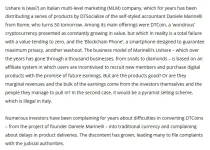
This part really stood out to me. On one side there are claims about a massive billion-dollar AI partnership, and on the other side there are years of complaints about DTCoins being hard to convert and products arriving late. That contrast feels pretty confusing and definitely raises a lot of questions about transparency. 🤔
 

Attachments

  • Screenshot 2026-03-14 155118.webp
    Screenshot 2026-03-14 155118.webp
    72.7 KB · Views: 0
  • Screenshot 2026-03-14 155201.webp
    Screenshot 2026-03-14 155201.webp
    63 KB · Views: 0
This part really stood out to me. On one side there are claims about a massive billion-dollar AI partnership, and on the other side there are years of complaints about DTCoins being hard to convert and products arriving late. That contrast feels pretty confusing and definitely raises a lot of questions about transparency. 🤔
Yeah that contrast is exactly what makes this situation so confusing. On one side there are articles talking about billion dollar AI partnerships and huge technological ambitions, and on the other side people have been complaining for years about issues converting DTCoins or receiving products on time. When those two narratives exist together, it naturally raises questions about what is actually happening behind the scenes.
 
This part really stood out to me. On one side there are claims about a massive billion-dollar AI partnership, and on the other side there are years of complaints about DTCoins being hard to convert and products arriving late. That contrast feels pretty confusing and definitely raises a lot of questions about transparency. 🤔
I had the same reaction. If the ecosystem is truly securing deals worth billions, you’d expect existing investors to be seeing positive outcomes already. Instead many discussions online still revolve around unresolved withdrawal concerns and token liquidity problems.
 
That’s the part that keeps coming up in reports. The article mentions people struggling to convert DTCoins into traditional currency, which would obviously be frustrating for anyone who invested expecting liquidity at some point.
 
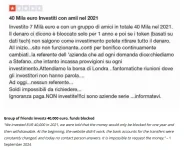
Reading these experiences is honestly worrying. Several people seem to be saying they invested money expecting withdrawals later, but years have passed and they still don’t know how or when they can access their funds. When multiple users describe blocked funds, unanswered refund requests, and extra fees just to withdraw, it definitely raises serious questions about how the system actually works. 😕
 

Attachments

  • Screenshot 2026-03-14 160017.webp
    Screenshot 2026-03-14 160017.webp
    44.2 KB · Views: 0
  • Screenshot 2026-03-14 155956.webp
    Screenshot 2026-03-14 155956.webp
    58.3 KB · Views: 0
Reading these experiences is honestly worrying. Several people seem to be saying they invested money expecting withdrawals later, but years have passed and they still don’t know how or when they can access their funds. When multiple users describe blocked funds, unanswered refund requests, and extra fees just to withdraw, it definitely raises serious questions about how the system actually works. 😕
Yeah reading those experiences honestly makes the situation feel more real. When you see several people describing similar problems with withdrawals or refund requests being ignored, it naturally raises concerns about how the system was actually operating.
 
Reading these experiences is honestly worrying. Several people seem to be saying they invested money expecting withdrawals later, but years have passed and they still don’t know how or when they can access their funds. When multiple users describe blocked funds, unanswered refund requests, and extra fees just to withdraw, it definitely raises serious questions about how the system actually works. 😕
One complaint alone might be a misunderstanding or technical issue, but when multiple investors mention blocked funds or unanswered requests, it starts to look like a pattern that deserves closer attention.
 
The case where a group reportedly invested around €40,000 really caught my attention. That’s a significant amount of money for anyone, and if they truly believed withdrawals would be possible after a year, the frustration must be huge now.
 
Another interesting detail in those reviews was the mention of paying extra fees just to withdraw funds. Some platforms charge transaction costs, but requiring a large upfront percentage before releasing funds is something that usually raises questions in financial communities.
 
What surprised me most was the number of people saying they filed refund requests and never received a response. Even in struggling projects, customer support normally responds in some way. Lack of communication tends to make people more worried than the initial problem itself. Another theme I noticed in those reviews is confusion. Several users said they weren’t sure how the profits were supposed to be realized or converted into real money. That suggests the system may not have been very transparent for participants.
 
What surprised me most was the number of people saying they filed refund requests and never received a response. Even in struggling projects, customer support normally responds in some way. Lack of communication tends to make people more worried than the initial problem itself. Another theme I noticed in those reviews is confusion. Several users said they weren’t sure how the profits were supposed to be realized or converted into real money. That suggests the system may not have been very transparent for participants.
And that confusion often appears in projects where tokens or internal credits don’t have clear external markets.
 
The Telegram group mentioned in that review is interesting too. Sometimes online communities show only the success stories, while people with problems end up posting complaints elsewhere.
 
True, and that’s why it’s useful to look at multiple sources of information instead of relying only on promotional channels.
The investor who said they lost €1,300 also highlights how everyday users can get caught in these situations. Not everyone investing in these platforms is a professional trader. many people probably trusted the promises without fully understanding the risks.
 
True, and that’s why it’s useful to look at multiple sources of information instead of relying only on promotional channels.
The investor who said they lost €1,300 also highlights how everyday users can get caught in these situations. Not everyone investing in these platforms is a professional trader. many people probably trusted the promises without fully understanding the risks.
And once funds are locked inside internal tokens or platforms, it becomes much harder for them to recover the money.
 
That’s probably why some of the investors reportedly turned to legal authorities. When customer support stops responding and withdrawals remain blocked, legal channels often become the only option left.
 
Hopefully investigations eventually clarify what really happened in these cases. because right now the situation still feels like a mix of unanswered questions and conflicting narratives. And until clearer explanations appear, discussions like this will probably keep growing as more people share their experiences.
 
Back
Top