Seeking Insight On QNet’s Legal Situation And Public Records

I also think it matters whether the issues raised in public records are about products, compensation structure, or marketing claims. Each of those raises different legal questions. Some reports about QNet focus on recruitment practices, others on consumer understanding. Without reading the underlying documents, it is hard to know which aspect was central to a given case. That context is often missing in summaries.
 
I also think it matters whether the issues raised in public records are about products, compensation structure, or marketing claims. Each of those raises different legal questions. Some reports about QNet focus on recruitment practices, others on consumer understanding. Without reading the underlying documents, it is hard to know which aspect was central to a given case. That context is often missing in summaries.
That is a good reminder. I noticed that some reports emphasize recruitment, while others mention investment like expectations, which are not the same thing legally. Understanding what exactly regulators questioned could change how someone interprets the risk. I am still piecing that together from what is publicly available.
 
I’ve been following this thread quietly and finally decided to jump in. The situation around QNet seems more layered than a simple yes or no answer. On one side, there are repeated reports from different countries where authorities have intervened in cases loosely connected to QNet. For example, there have been rescue operations involving foreign nationals who were allegedly drawn in through promises of jobs or opportunities, which is quite concerning on the surface.

But then, when you look deeper, there are also official statements and even court outcomes suggesting that some of these operations were actually carried out by independent groups misusing the QNet name. There have been convictions in cases where individuals used the brand to deceive others, which complicates the narrative a lot.

So I am honestly stuck somewhere in the middle. It feels like there is a real business structure, but also a pattern where that structure might be getting misrepresented by people on the ground. Curious how others here interpret that.
 
I’ve been following this thread quietly and finally decided to jump in. The situation around QNet seems more layered than a simple yes or no answer. On one side, there are repeated reports from different countries where authorities have intervened in cases loosely connected to QNet. For example, there have been rescue operations involving foreign nationals who were allegedly drawn in through promises of jobs or opportunities, which is quite concerning on the surface.

But then, when you look deeper, there are also official statements and even court outcomes suggesting that some of these operations were actually carried out by independent groups misusing the QNet name. There have been convictions in cases where individuals used the brand to deceive others, which complicates the narrative a lot.

So I am honestly stuck somewhere in the middle. It feels like there is a real business structure, but also a pattern where that structure might be getting misrepresented by people on the ground. Curious how others here interpret that.
yeah same here
i keep seeing qnet pop up in different countries 🤔
hard to tell if its the company or just people using the name
 
What confuses me is how consistent the recruitment pattern sounds across different places. People getting approached through friends, then invited to meetings, then asked to invest or join something that is not fully explained upfront. That part seems to come up again and again, even in older forum discussions.

At the same time, I came across something saying QNet itself claims it does not offer jobs or visa services, and that those kinds of promises are actually misuse of their brand. If that is true, then a lot of these incidents might be people operating outside the official structure but still leveraging the name to build trust. Still, it raises a question. If misuse is happening this frequently, is there enough control over how the model is being implemented? That is where I feel unsure.
 
I think this is one of those cases where both things can be true at once. A company can be legally operating, but also have a model that is easier for bad actors to exploit.
There are actual records showing people being arrested and even convicted for activities linked to misuse of QNet’s name. That suggests law enforcement is seeing a pattern of abuse around it.
But at the same time, I also saw that QNet itself has filed complaints and worked with authorities in some of these cases. That is not something you usually see if a company is directly behind everything.
So maybe the real issue is not just legality, but how the system works in practice on the ground.
 
I had a friend almost join something related to QNet a few years back 😅
he backed out last minute because it felt too rushed
That “rushed decision” part you mentioned is actually interesting. I have heard similar things where people are encouraged to commit quickly, sometimes even before fully understanding the structure. If the official stance is that QNet is a product based direct selling model, then ideally the focus should be on the products first. But a lot of anecdotal accounts seem to focus more on recruitment or earning potential rather than product value.

I am not saying that automatically means anything is wrong, but it definitely adds to the confusion.
 
From what I’ve gathered over time, the biggest issue seems to be the gap between what is officially described and what people actually experience on the ground. The company presents itself as a direct selling business with wellness and lifestyle products, which is a legitimate model in many countries.

However, when enforcement agencies in multiple regions start reporting cases where individuals are being lured with promises of jobs or overseas opportunities tied to QNet, it suggests that the messaging is being distorted somewhere along the chain. In my opinion, the key question is not just whether QNet is legal, but whether the structure allows enough room for misrepresentation. Because if the same type of incidents keep appearing across different geographies, that pattern itself becomes something worth examining carefully.
 
From what I’ve gathered over time, the biggest issue seems to be the gap between what is officially described and what people actually experience on the ground. The company presents itself as a direct selling business with wellness and lifestyle products, which is a legitimate model in many countries.

However, when enforcement agencies in multiple regions start reporting cases where individuals are being lured with promises of jobs or overseas opportunities tied to QNet, it suggests that the messaging is being distorted somewhere along the chain. In my opinion, the key question is not just whether QNet is legal, but whether the structure allows enough room for misrepresentation. Because if the same type of incidents keep appearing across different geographies, that pattern itself becomes something worth examining carefully.
this is exactly what i was thinking
pattern matters more than one off cases
 
That is a fair question, but I think context matters a lot. In some of those rescue cases, authorities specifically mentioned that the operations were being run by groups falsely presenting themselves as connected to QNet. That distinction is important, even if it does not fully resolve the concern.
The tricky part is that for an average person, that distinction might not be clear at all. If someone is approached using a known brand name, they are more likely to trust it without verifying deeper. That is where things can go wrong.
 
yeah most people wont verify
they just trust the person who invited them
Exactly, and that is why awareness becomes so important in cases like this. Even if we assume that QNet as a company is not directly behind these incidents, the repeated misuse of its name in recruitment or migration related schemes is clearly documented in multiple reports.
At the same time, there are also records showing that the company has taken disciplinary actions and reported fraudulent actors to authorities, which suggests some level of internal enforcement.
So for anyone reading this thread, the safest approach is probably to evaluate any opportunity independently, not rely solely on branding, and take time before making any financial or personal commitments.
 
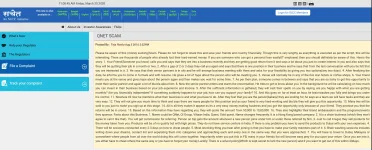
I just came across an older complaint post about QNet on a regulatory awareness forum and honestly it adds another layer to this whole discussion. The post describes a very detailed step by step experience of how someone was approached through a friend, invited to meetings, and gradually convinced that they were entering a high return business opportunity. What stood out was how structured the process sounded, almost like a script being followed from the first call to the final pitch.

chrome_HvapAnUTX6.webp

The person mentioned things like being invited to formal meetings, introduced to “senior partners,” and then slowly guided into thinking about financial independence and income gaps. It didn’t sound like a quick scam attempt but more like a prolonged persuasion process. Again, this is just one person’s account, but it was very detailed and oddly consistent with patterns people here have already mentioned.
 
I just came across an older complaint post about QNet on a regulatory awareness forum and honestly it adds another layer to this whole discussion. The post describes a very detailed step by step experience of how someone was approached through a friend, invited to meetings, and gradually convinced that they were entering a high return business opportunity. What stood out was how structured the process sounded, almost like a script being followed from the first call to the final pitch.

View attachment 1613

The person mentioned things like being invited to formal meetings, introduced to “senior partners,” and then slowly guided into thinking about financial independence and income gaps. It didn’t sound like a quick scam attempt but more like a prolonged persuasion process. Again, this is just one person’s account, but it was very detailed and oddly consistent with patterns people here have already mentioned.
yeah that sounds very similar to what others described earlier
especially the “friend introduces you” part
 
I read something similar before, and what struck me was the emotional angle they use. Asking questions about your financial situation, future goals, and even family responsibilities can make people more open to suggestions. It is not necessarily illegal to ask those questions, but in a business pitch context it can feel a bit manipulative if done repeatedly.

Also, the mention of limited time decisions and pressure to act quickly is something I personally find concerning in any opportunity. Even outside of QNet, that is usually a sign to slow down and think things through.
 
I just came across an older complaint post about QNet on a regulatory awareness forum and honestly it adds another layer to this whole discussion. The post describes a very detailed step by step experience of how someone was approached through a friend, invited to meetings, and gradually convinced that they were entering a high return business opportunity. What stood out was how structured the process sounded, almost like a script being followed from the first call to the final pitch.

View attachment 1613

The person mentioned things like being invited to formal meetings, introduced to “senior partners,” and then slowly guided into thinking about financial independence and income gaps. It didn’t sound like a quick scam attempt but more like a prolonged persuasion process. Again, this is just one person’s account, but it was very detailed and oddly consistent with patterns people here have already mentioned.
the hotel meeting part is interesting 🤔
makes it feel more legit than it actually is maybe
 
What caught my attention in that complaint was the pricing and product aspect. The person claimed that products were expensive and not really the main focus, which again matches what others have hinted at here. If a business is genuinely product driven, you would expect more emphasis on the value of what is being sold rather than just the income potential.
At the same time, I want to be careful here because this is still one complaint post, even if it is detailed. It does not automatically represent every experience with QNet. But when you start seeing similar patterns across different sources, it becomes harder to ignore completely.
 
I think the most important takeaway from that article is how structured the approach seems to be. The step by step nature, from initial contact to final investment, suggests that people are not just randomly improvising. Whether that structure comes from official training or informal replication between participants is the real question. Another part that stood out to me was the mention of travel or international connections, like references to Dubai or other locations. That kind of global angle can make the opportunity feel bigger and more credible, especially to someone new. But again, without verifying the actual business model and returns, it is easy to get carried away.
 
Back
Top