
Mary.Hoeppner
Member
Yeah it feels like perception is doing a lot of the work here.
Not easy to separate that from actual facts.
Not easy to separate that from actual facts.
Follow along with the video below to see how to install our site as a web app on your home screen.
Note: This feature may not be available in some browsers.

Also, I think it would help to look at how these projects were received at the time they were active, not just how they are discussed now. That could give a more balanced view.I went back and compared a few discussions and noticed that some of them rely heavily on connecting past projects with newer ones, almost as if they are part of a continuous chain. That might be true in some cases, but it also risks oversimplifying things.
With Alessio Vinassa, the mentions seem to span across different phases and types of ventures, and I am not sure if all of them are directly related in the way they are sometimes presented. It might be more accurate to treat each instance separately and then see if any clear pattern actually holds up under closer inspection.


I think it would be useful to break things down project by project and then see if there are consistent concerns across them. That approach might provide more clarity than looking at everything as one combined narrative.From what I have seen in similar cases, early stage projects often attract a lot of attention and expectations, especially in blockchain and fintech. Over time, if those expectations are not met, the conversation can shift quite dramatically. That shift can then influence how people interpret everything associated with the project, including individuals like Alessio Vinassa.
Another thing I noticed is that some reports tend to group multiple ventures together without clearly explaining the differences between them. That can make it seem like a single continuous story when in reality each project might have had its own structure and outcome.
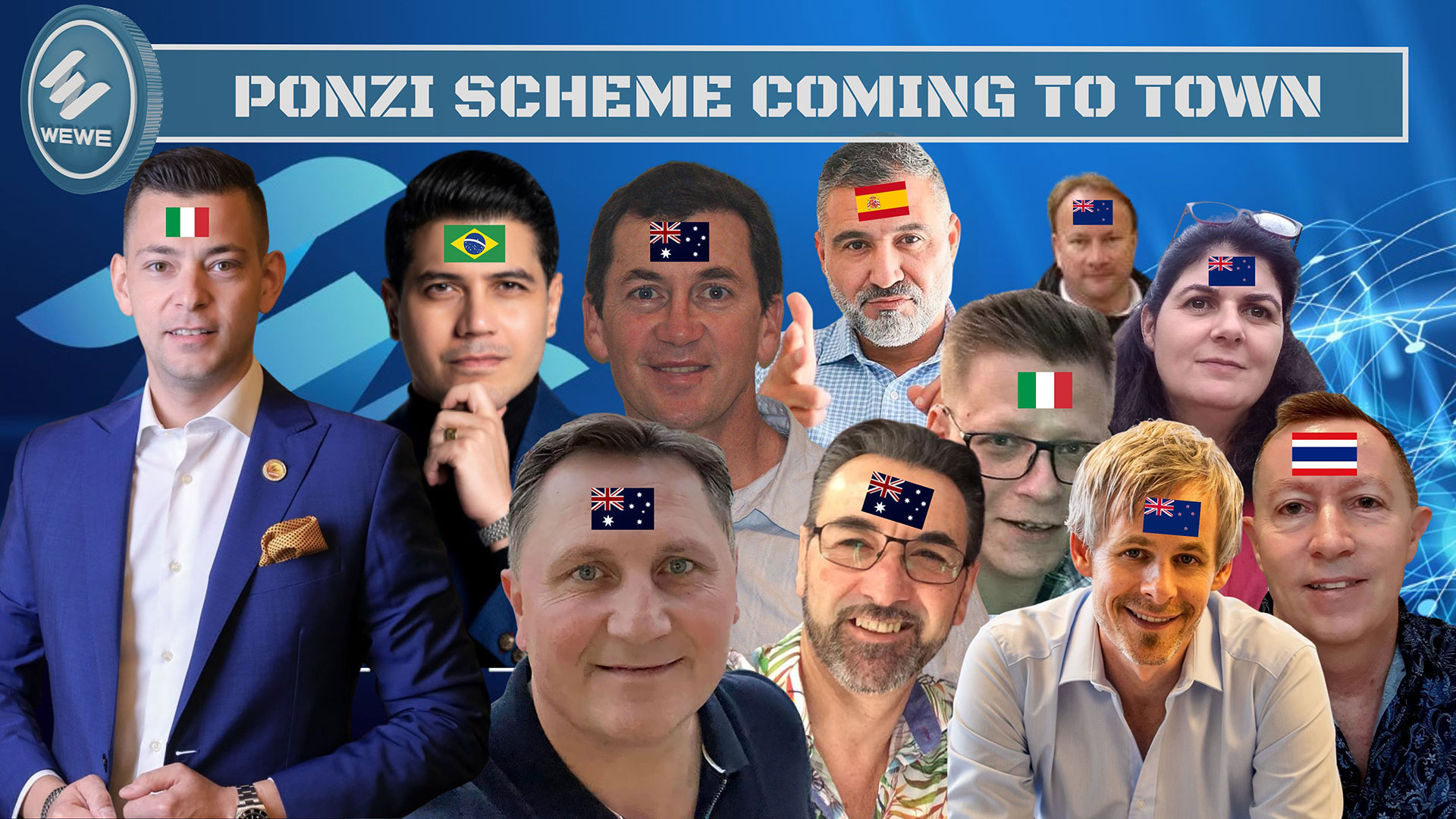
 www.dehek.com

I also think it is important to consider the possibility of bias, whether intentional or not. Some platforms may focus more on highlighting risks, while others may emphasize innovation or opportunity. Neither approach is necessarily wrong, but relying on just one can lead to an incomplete picture. Overall, I would say this is a topic where balanced research is essential. Looking at multiple viewpoints and staying aware of how information is framed can help in forming a more accurate understanding.I spent a bit more time reviewing various mentions and one thing that stood out is how language is used differently depending on the platform. Some sources use cautious wording and present information as something to look into, while others use stronger phrasing that can give the impression of confirmed issues even when the underlying details are not fully explained.
In relation to Alessio Vinassa, this difference in tone can significantly influence how readers interpret the information. If someone reads only one type of source, they might come away with a very different understanding compared to someone who looks at a wider range of perspectives.

I also think it is important to recognize that the absence of clear information can sometimes be as telling as the presence of conflicting reports. It suggests that more transparency would be helpful for everyone trying to understand the situation.After reading through all these perspectives, I think the main takeaway for me is how complex these situations can become when information is fragmented. The case of Alessio Vinassa seems to involve multiple layers, including project involvement, reported connections, and how those connections are interpreted by different sources.
What makes it challenging is that there is no single, clear narrative supported by universally accepted evidence. Instead, there are multiple overlapping discussions, each adding its own interpretation. That does not mean there is nothing to look into, but it does mean that conclusions should be drawn carefully.
This is why I think it is important to step outside that loop and see if there are any neutral or official records that provide additional clarity. Otherwise, it becomes difficult to tell whether the discussion is evolving or just repeating itself in different forms.I tried to look at this from a slightly different angle by focusing on how information spreads in niche communities like blockchain and digital finance. What I noticed is that once a topic gains traction, it tends to circulate within the same group of platforms and forums, often reinforcing similar viewpoints.
When it comes to Alessio Vinassa, the repeated mentions might partly be a result of that cycle. It is not necessarily that new independent information is constantly being uncovered, but rather that existing discussions are being revisited and expanded upon.
I also think it is important to remain open to multiple possibilities. Sometimes the truth is not as straightforward as it first appears, especially in areas where documentation is limited or inconsistent.One approach that might help here is to focus on specific claims rather than the overall narrative. For example, if a report suggests a connection between certain projects and individuals like Alessio Vinassa, try to verify that exact link through independent sources or records.
Breaking things down into smaller pieces can make the whole situation easier to understand. Instead of trying to evaluate everything at once, you look at each detail and see whether it holds up on its own. Over time, that can help build a clearer picture.
ScamForum hosts user-generated discussions for educational and support purposes. Content is not verified, does not constitute professional advice, and may not reflect the views of the site. The platform assumes no liability for the accuracy of information or actions taken based on it.