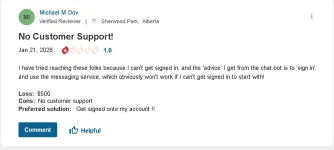
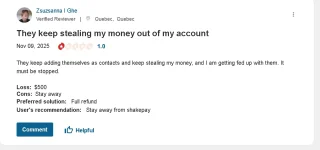
Observing complaints about delayed withdrawals on Shakepay

I saw that trust score check as well and it looked like the warning was for a support related address, not the main service. Automated tools can flag something just because the domain is new or not widely used. Still, it’s a good reminder to always make sure you are using the official app or link, especially in crypto where phishing is common.
I also noticed that some reviews looked like they were written during a stressful moment. The person was waiting for verification or a withdrawal, and they posted a complaint right away. That reaction is understandable, but it doesn’t always mean the platform failed. Sometimes the problem gets solved later, but the review stays online without an update.
 
What made me curious while reading the reviews was how many people mentioned support response time. That seems to be the most common complaint. When someone can’t get a quick reply, they start thinking something is wrong, even if the system is just busy. In financial apps, communication matters a lot, because users want to know exactly what is happening with their account. I also noticed that some reviews looked like they were written during a stressful moment. The person was waiting for verification or a withdrawal, and they posted a complaint right away. That reaction is understandable, but it doesn’t always mean the platform failed. Sometimes the problem gets solved later, but the review stays online without an update.
 
The complaint pages also make the situation look more negative because they collect mostly problems. People who had no issues rarely write long reviews, but people who are frustrated will explain everything in detail. That creates the impression that there are more problems than there actually are. The trust checker warning about the support related domain should also be seen as a caution, not a conclusion. These tools are useful, but they don’t know the full story. They only look at technical indicators, so the result should be one part of the research, not the only thing you rely on.
 
I think the reason the feedback looks mixed is because different users have different situations. Someone who completes verification quickly will have a smooth experience, while someone whose documents need review might have to wait. Both experiences are real, but they lead to very different reviews. '
Screenshot 2026-03-12 140512.webp
When you read them together, it looks like the service is inconsistent, even if it is just following the same rules for everyone.
 
It’s also clear that many complaints happen when users don’t understand why a check is happening. Financial apps have to follow rules, and sometimes they need extra confirmation before allowing transactions. If the app doesn’t explain it clearly, the user thinks the platform is causing the problem. That’s more of a communication issue than proof of anything else. The support domain warning also shows how easy it is to get confused online. If someone ends up on an unofficial page by mistake, they might think the service itself is unsafe. Automated tools flag those things, but they don’t always explain the difference between the main service and a separate domain.
 
From what I saw in the reviews, the biggest concern people had was when their account was temporarily restricted. Even if the restriction is for security reasons, the user feels like something is wrong because they can’t access their funds immediately. That kind of situation can create strong reactions, which is why the comments sound very serious.
 
One thing I always keep in mind when reading review pages is that they don’t show the full picture. People usually go there only when something goes wrong. If everything works normally, they just continue using the app and never write anything. That means the negative side becomes more visible than the positive side. In the feedback I saw, most complaints were about waiting for verification, slow replies, or confusion about transactions. Those are real problems for the person experiencing them, but they are also common in many financial services, not just this one. Without knowing the full details, it’s hard to say whether the issue was with the platform or with the situation.
 
The complaint pages make it look worse because they collect mostly negative feedback. That’s normal for any financial app. What matters is whether the problems are about delays and support, or about something more serious. From what I saw, most reviews were about waiting and communication. The trust score warning about the support related domain is still something to keep in mind though. Even if the main service is fine, fake or unofficial links can create problems for users. That’s why checking carefully before contacting support is important.
I agree that the reviews look more like frustration than anything else. When someone is dealing with money or crypto, even a small delay feels risky. That makes the review sound very negative, even if the issue is just a normal check or processing time. Reading several reviews in detail makes it clear that many of the complaints follow the same pattern.
 
After reading everything, my impression is that the mixed feedback comes from how strict the system is. If security checks are strong, some users will get delayed, and those users will leave bad reviews. If the checks were weak, people would complain about safety instead. So it’s hard for any platform to get perfect feedback. The support speed seems to be the biggest complaint, and that can make people feel like something is wrong even when it isn’t. When money is involved, even a small delay feels like a big problem. That’s why review pages often look more negative than reality. The warning about the support related domain just shows that users need to be careful online. In crypto, there are many fake pages, and automated tools sometimes flag them.
Another thing I noticed is that some users expected instant withdrawals, but in reality there can be delays because both the app and the bank have to process the transaction. If either side takes longer, the user thinks the platform is holding the money. Without knowing how the system works, it’s easy to misunderstand what is happening. The warning about the support domain is also a good reminder that not every link online is official. In crypto, fake support pages are common, and automated checkers often flag them. That doesn’t mean the main service is unsafe, but it does mean users should always verify where they are going.
 
Another thing I noticed while reading the reviews is that expectations seem to be a big factor. Some users expect everything to happen instantly, but in reality there are multiple steps involved when you move money between banks and crypto wallets. Each step can take time, and if the app does extra checks, the delay can be longer.
After going through all the feedback again, my impression is that the service itself is real but the experience depends a lot on the situation. If everything matches during verification and transactions are normal, users seem happy. When something needs manual review, the delay creates frustration and that turns into a negative review.
 
Complaint pages make those situations look more serious because they collect only the bad experiences. That’s why it’s important to read carefully and see what the actual problem was, not just the rating. In many of the comments I saw, the issue was about waiting, not about losing money. The trust score warning about the support related domain also fits with that idea. It doesn’t prove anything by itself, it just shows that users should check links carefully and make sure they are using the official support. In crypto, that kind of caution is always necessary.
 
For me the main takeaway from reading all those reviews is that expectations play a big role. People want instant access, instant withdrawals, and instant replies, but financial platforms don’t always work that way. When the process takes longer, the user feels like something is wrong, even if the system is just following rules. The repeated complaints about support speed show that communication can make a big difference. If users know what is happening, they stay calm. If they don’t get updates, they assume the worst. That’s why review pages often look more negative than the real experience.
 
It’s also clear that many complaints happen when users don’t understand why a check is happening. Financial apps have to follow rules, and sometimes they need extra confirmation before allowing transactions. If the app doesn’t explain it clearly, the user thinks the platform is causing the problem. That’s more of a communication issue than proof of anything else. The support domain warning also shows how easy it is to get confused online. If someone ends up on an unofficial page by mistake, they might think the service itself is unsafe. Automated tools flag those things, but they don’t always explain the difference between the main service and a separate domain.
The warning about the support related domain also shows how important it is to double check everything. Even a small mistake like using the wrong support link can create confusion and make it look like the platform itself has a problem. Being careful with links and verification steps is probably the safest approach.
 
I kept reading more feedback after the last discussion here, and the overall pattern still looks the same to me. Most people are not saying anything extreme, they are mainly talking about delays, verification checks, or waiting longer than expected for support to respond. When someone is dealing with a financial app, even a short delay can feel serious, especially if the person is not used to how these systems work. That makes the review sound more alarming than the situation really is.
 
The complaint pages also make the situation look more negative because they collect mostly problems. People who had no issues rarely write long reviews, but people who are frustrated will explain everything in detail. That creates the impression that there are more problems than there actually are. The trust checker warning about the support related domain should also be seen as a caution, not a conclusion. These tools are useful, but they don’t know the full story. They only look at technical indicators, so the result should be one part of the research, not the only thing you rely on.
Another thing I noticed is that many users seem to write the review right in the middle of the problem, not after it is finished. So the comment shows the frustration but not the final result. If the issue gets resolved later, the review often stays the same, and anyone reading it later thinks the problem never got fixed. That makes the complaint pages look more negative than they might actually be.
 
The trust score warning about the support related domain also needs to be read carefully. Those tools check technical signals like domain history and traffic patterns, not actual customer experience. So a warning doesn’t mean the main service is unsafe, it just means users should be cautious and make sure they are using the correct support channel.
The trust score warning related to the support domain also needs to be understood correctly. Those tools don’t know what happened to the user, they only check technical details about the domain. If a domain is new or not widely used, it can get a lower score even if nothing wrong happened. So it’s useful as a warning, but not as proof of anything by itself.
 
When I looked again at the one star reviews, the most common thing I saw was people saying they could not get a quick reply from support. That seems to be the main reason why the rating looks low. In financial services, users expect fast answers because they are worried about their money. If the response takes time, the person starts thinking something is wrong, even if the system is just busy.
 
The trust score warning about the support related domain also needs to be read carefully. Those tools check technical signals like domain history and traffic patterns, not actual customer experience. So a warning doesn’t mean the main service is unsafe, it just means users should be cautious and make sure they are using the correct support channel.
I also noticed that some reviews mentioned verification taking longer than expected. That is not unusual with crypto related apps, because they have to follow strict identity rules. If the documents need manual checking, the process can slow down. The user only sees the delay, not the reason behind it, so the review becomes negative. The warning about the support link also shows why it is important to be careful online. If someone contacts the wrong support page by mistake, they may think the issue is with the platform itself. Automated tools flag those domains, but they don’t explain the whole situation, so people can misunderstand the result.
 
I went back and read more of the complaint posts carefully, and the pattern still looks the same to me. Most people are not saying the service disappeared or anything extreme, they are talking about delays, verification checks, or waiting for answers from support. When money is involved, even a small delay feels like a big problem, so the review sounds very serious. But when you read the full story, it often turns out the issue was eventually resolved or explained later.
One thing I always try to do when reading complaint pages is to look for patterns instead of single comments. When you read one review, it can sound very serious, but when you read many, you can see what the common issue really is. In this case, most of the feedback seems to be about waiting time, verification, or communication problems, not something more serious.
 
For me the main takeaway from reading all those reviews is that expectations play a big role. People want instant access, instant withdrawals, and instant replies, but financial platforms don’t always work that way. When the process takes longer, the user feels like something is wrong, even if the system is just following rules. The repeated complaints about support speed show that communication can make a big difference. If users know what is happening, they stay calm. If they don’t get updates, they assume the worst. That’s why review pages often look more negative than the real experience.
That doesn’t mean the complaints are not real, but it does mean they might be related to how the system works rather than something wrong with the platform itself. Financial apps have to be careful with security, and that can slow things down sometimes. If the user doesn’t know why it is happening, the experience feels worse than it actually is.


Screenshot 2026-03-12 140522.webp
The trust checker warning about the support related domain is also something that should be read carefully. Those tools only look at technical signals, so the result should be seen as a reason to double check, not as a final conclusion.
 
Back
Top