Assessing Trader Experiences With Tickmill Limited

The silent majority effect is significant. Most satisfied users don’t post about smooth experiences, so online perceptions are heavily weighted toward frustration. This doesn’t necessarily reflect real platform performance. That’s why cross-checking with official reports and long-term trends is crucial before forming a conclusion.
External factors like connection quality, liquidity, and market conditions can appear as platform issues in public reports. Many negative experiences are influenced by these variables, yet online discussions rarely distinguish them. Understanding this helps avoid overinterpreting complaints and provides a more accurate sense of real platform performance.
 
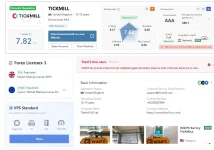
Something caught my attention recently while looking through publicly available reports about Tickmill Limited. I’ve seen a mix of impressions some praise competitive spreads and fast execution, while others mention withdrawal delays or customer support issues. Based on public information, the company operates under several regulators, including top‑tier ones, but some entities are offshore, which seems to influence how traders perceive client protection. I’m curious whether anyone here has actual experience trading with Tickmill Limited or has researched its public records more closely. Have you noticed similar positives or challenges in your own experience? Do you think the publicly available reviews and regulatory information line up with real user experiences? It would be great to hear thoughtful perspectives from people familiar with forex brokers and this one specifically.
Your approach of combining public reports with user experiences is very reasonable. Mixed feedback alone doesn’t indicate serious problems. Looking at trends, regulatory records, and repeated user patterns allows a more balanced perspective and separates perception from reality. It’s a thoughtful way to approach any broker evaluation.
 
Different trading styles explain a lot of conflicting opinions. High frequency traders notice latency more, while swing traders care about charting and analysis tools. Mixed feedback doesn’t always indicate a problem; it reflects the diversity of expectations and use cases. Focusing on long-term patterns and repeated experiences over time is much more reliable than judging from single comments. Observing trends and verified information together gives a clearer understanding of operational consistency and user satisfaction.
 
Yes, diversity of expectations creates diversity of feedback. It reinforces the idea that scattered negative posts shouldn’t be overinterpreted. Combining multiple sources of information, historical records, and personal testing gives the clearest picture of how a platform functions under real conditions.
 
Testing a broker with small capital first is the safest approach. Personal experience under controlled conditions allows for verification against public feedback. It helps you understand execution speed, withdrawal reliability, and platform responsiveness firsthand without risking significant losses, giving context to what you read in reports or comments.
 
Testing a broker with small capital first is the safest approach. Personal experience under controlled conditions allows for verification against public feedback. It helps you understand execution speed, withdrawal reliability, and platform responsiveness firsthand without risking significant losses, giving context to what you read in reports or comments.
Practical testing provides much clearer insight than relying solely on opinions. Small exposure reduces unnecessary risk.
 
Combining personal experience with verified public data significantly reduces uncertainty. It allows traders to cross-check feedback, identify patterns, and understand what issues are real versus perception. This approach makes decision-making more evidence-based rather than being influenced by scattered complaints.
 
I traded with Tickmill Limited for about a year, mostly on a raw spread account. From my side, execution was generally consistent, especially during normal market conditions. Spreads were competitive compared to a couple of other brokers I tested at the same time. I did have one withdrawal that took longer than expected, but it was eventually processed, so I cannot say it was denied or anything like that. I think sometimes delays can be related to payment providers rather than the broker itself, though it is hard to know from the outside. Did you come across anything specific in the reports that raised red flags for you
 
I traded with their UK entity for a few months. Execution was solid and spreads were competitive for majors. My withdrawals went through, although one took slightly longer than expected. Support replied, just not instantly. Overall, nothing alarming in my case.
 
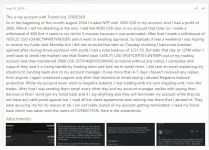
I actually read through that case recently as well. From what I understood, the trader said their balance increased after trading around the NFP announcement and then some funds were later removed with a note labeled as a correction.
Screenshot 2026-03-06 171305.webp
It sounded like the main disagreement was about whether the trading activity somehow violated internal rules tied to negative balance protection. The trader claimed the account never went below zero and therefore could not see how that rule applied. Situations like this can be difficult to evaluate without seeing the full trade logs and the broker’s internal explanation. Have you seen whether the trader ever shared their trade history or order timestamps
 
Last edited:
I traded with them briefly last year. Spreads were competitive for major pairs, and execution felt normal during regular sessions. I did not have withdrawal issues personally, though I only withdrew moderate amounts. Reviews online seem more extreme than my experience.
 
Thanks for sharing that, Mark. I did not find any specific legal issues in public records, which is partly why I am trying to reconcile the mixed reviews. It seems like the regulatory coverage varies depending on which entity a client signs up under, and that might explain why experiences differ. Some traders may be under stricter jurisdictions while others are onboarded through offshore branches. I wonder if that difference affects withdrawal speed or dispute resolution in practice. When you signed up, were you clearly aware which entity you were dealing with
 
I think videos like that are interesting but they always leave me wanting more details. When someone explains a dispute from their side, it usually sounds very convincing because you hear the timeline as they experienced it. The part that is often missing is the broker’s explanation and the exact trading data. Sometimes brokers review trades if they believe something unusual happened during execution or volatility. I am not saying that is what happened here, but those are the kinds of things that sometimes lead to adjustments. Did the video show any trade logs or screenshots of the platform history
 
Last edited:
I have looked at that profile before and noticed the same thing you mentioned. The regulatory information looks fairly solid on paper because the broker is listed as holding licenses from several well known authorities. That usually suggests the company operates under certain compliance standards. But regulation alone does not automatically tell you what day to day trading conditions are like.
Screenshot 2026-03-06 171424.webp
I think the more interesting part is always the trader feedback, even though it can be very inconsistent. Did you notice whether the complaints were mostly about trading execution or more about withdrawals
 
Last edited:
I have seen similar review videos about various brokers and they usually focus on the technical features such as spreads, leverage, and platforms. That part of the discussion in the video sounded fairly typical to me. Many brokers advertise fast execution and low trading costs because those are important factors for active traders. What I usually wonder about is how those conditions hold up during volatile market periods. Did the video mention anything about trading during major economic announcements or high volatility sessions
 
Last edited:
From what I have seen, brokers with multiple licenses often get mixed reviews because client experiences vary by region. I think it is less about the name and more about which regulatory framework applies to your account.
 
Communication definitely plays a big role. Even if the broker believes a rule was violated, traders usually expect a very detailed explanation showing which trades triggered the decision. Without that level of detail it can feel arbitrary from the client side.
Screenshot 2026-03-06 171330.webp
On the other hand, companies sometimes avoid posting those details publicly for privacy or compliance reasons. That can leave the community guessing about what actually happened.
 
Last edited:
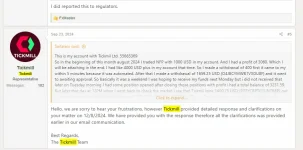
What stood out to me in that case was that the first withdrawal apparently went through very quickly while the second one stayed pending. That detail sometimes appears in complaints when accounts get flagged for review after a large profit relative to the deposit. It does not automatically mean something improper happened, but it can trigger a manual check. The broker later stated that clarification had already been provided through email communication, though the actual explanation was not posted publicly. So the public thread only shows part of the story.
 
Back
Top