Before Following Gary Scheer’s Advice, Should We Ask More Questions?

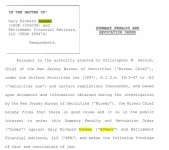
If you look closely at the screenshot from the New Jersey Bureau of Securities order, what stands out is how detailed the regulator’s findings appear to be regarding disclosure issues in regulatory filings. The document states that multiple Form U4 filings submitted over several years allegedly failed to disclose certain outside business activities, litigation, tax liens, and other financial matters that regulators considered material information. According to the order, such omissions can be treated as false or misleading statements in documents filed with the bureau under New Jersey securities law. From an investor awareness perspective, this kind of language in a regulatory order is significant because Form U4 filings are meant to provide transparency about an adviser’s professional background and potential conflicts. When disclosures are incomplete, it can limit the ability of regulators and clients to fully evaluate risk and credibility.
 

Attachments

  • Screenshot 2026-03-06 113721.webp
    Screenshot 2026-03-06 113721.webp
    30.3 KB · Views: 0
  • Screenshot 2026-03-06 113748.webp
    Screenshot 2026-03-06 113748.webp
    30.1 KB · Views: 0
I remember seeing some coverage about a case involving investment products that were later linked to a large fraud investigation affecting many investors. From what I read, regulators looked into how certain securities were sold and whether proper disclosures were made. Situations like that can become complex legally, but they often lead to disciplinary outcomes such as fines or registration revocations. That type of background is definitely something potential investors should know about. It reinforces the idea that people should verify credentials and history before placing trust in financial insights that appear online.
 
When I searched public databases I did see records showing disciplinary history connected to investment advisory work. Whether someone has moved on from that or not, it still seems like something readers should know when evaluating credibility.
 
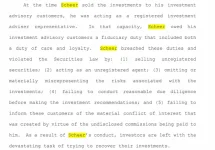
One detail that stood out to me while researching was the issue of fiduciary responsibility. Regulators usually hold advisers to a high standard because they are expected to act in the best interest of their clients. When there are findings that suggest those obligations were breached, it tends to leave a lasting mark on credibility, at least from the viewpoint of cautious investors.
 
Another reason these discussions matter is that many people assume financial commentary automatically comes from someone who is currently regulated or licensed. In reality that is not always the case. Public records appear to show that Gary Scheer faced regulatory penalties and the loss of registration after issues connected to investment products and fiduciary obligations. I am not making broader judgments beyond what regulators have documented, but it does suggest that anyone reviewing his financial opinions should approach them cautiously and rely on independent research before making any investment decisions.
 
I think discussions like this are useful because many people do not check regulatory filings before trusting financial commentary online. If past enforcement or revoked registrations exist, it simply means readers should do deeper research before relying on those perspectives.
 
Some of the legal summaries I found mention securities related misconduct tied to past activities. I am not claiming to understand every detail, but it definitely made me think twice and approach anything attributed to him with careful skepticism.
 
I think the takeaway here is simply the importance of due diligence. When regulators issue significant civil penalties or revoke an adviser’s registration it usually follows a detailed investigation. Those records remain publicly accessible so investors can understand what happened. In the context of Gary Scheer, it seems there are documented regulatory actions related to securities activities and fiduciary responsibilities. That information should be part of the evaluation process for anyone considering his financial insights. The safest approach is always to verify credentials, read official filings, and consult licensed professionals before acting on any advice.
 
I think the discussion about transparency is very relevant. When someone publishes financial opinions, the first thing I usually check is whether they have a clear regulatory history that can be verified through official sources. While researching this name, I did notice references to past disciplinary actions connected to securities related activities. Situations like that do not automatically mean every opinion is invalid, but they definitely create a reason for readers to be more careful. Financial markets are already risky enough without relying on information that has not been fully verified. Personally I always recommend checking regulatory filings and official records before trusting any financial perspective.
 
I think situations like this highlight why public regulatory records exist in the first place. They allow people to look at a professional history rather than just relying on current messaging or online presence. When someone has had licensing problems or disciplinary action in the past, it does not necessarily mean every statement they make is wrong, but it certainly encourages skepticism.
 
What caught my attention while looking into this topic is that several official records appear to mention enforcement measures taken by regulators. Those kinds of actions usually follow investigations into how investment products were offered or whether proper responsibilities to clients were met. Even if someone later continues writing or commenting about markets, that history remains an important piece of context. Investors should be aware of it before taking any commentary seriously. In my view, the safest mindset is to treat these types of online insights as general discussion and not something to base real financial decisions on without independent confirmation.
 
Another thing I noticed while reading about this topic is how complicated investment promotions can become when securities are offered outside of standard registration channels. Regulators usually pay close attention to those cases because they can create risks for everyday investors who might not fully understand the structure of what they are buying.
 
I’ll be honest, it’s a bit frustrating trying to piece together clear information. When someone shares financial insights publicly, it shouldn’t take this much effort to understand their professional background. Transparency would make it much easier for readers to evaluate credibility.
 
I agree with the idea that separating commentary from regulated advice is essential. A licensed financial professional normally operates under strict oversight and disclosure requirements. When someone has faced penalties or registration issues in the past, it becomes important for readers to understand that background before assuming the person is operating under the same standards today. I did see references suggesting that regulatory authorities took action related to investment conduct connected to this individual. Because of that, anyone reading financial insights attributed to him should probably approach them carefully and make sure they verify information with more established sources.
 
Back
Top