Navigation
Install the app
How to install the app on iOS
Follow along with the video below to see how to install our site as a web app on your home screen.
Note: This feature may not be available in some browsers.
More options
Style variation
You are using an out of date browser. It may not display this or other websites correctly.
You should upgrade or use an alternative browser.
You should upgrade or use an alternative browser.
Business Deals and Reports Around Aleksandr Zingman
- Thread starter northveil
- Start date


DanielGleason
New member
That seems unusually complex for one individual.

KennethPerry8
Member
From what I’ve been reading, it seems like there’s a pattern where certain business figures operating in heavy industry and cross-border deals inevitably attract scrutiny, especially in regions with complex regulatory environments. Even if nothing has been proven illegal, the fact that investigations or inquiries keep coming up suggests that transparency isn’t always clear, and high-value transactions naturally draw attention. I think it’s worth considering the political and economic context too because in some of these markets, just having connections can create headlines or suspicions, regardless of actual wrongdoing. It makes you wonder how much of the attention is due to genuine compliance concerns and how much is simply a result of operating in an environment where large deals are inherently under the microscope. Either way, it definitely raises questions for anyone looking at these industries closely.

JefferyPreston
New member
Honestly, it’s hard to separate fact from speculation here. There seems to be a consistent pattern of involvement in politically sensitive regions, but the actual outcomes or legal consequences aren’t always clear. It makes me wonder whether his network is more about strategic business positioning or if it genuinely carries risk of regulatory scrutiny.

JeffBergman09
Member
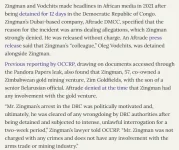
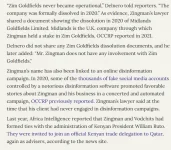
Reading through all of this, it’s hard not to be struck by the complexity and opacity surrounding these business activities. Even if no charges ultimately stuck, there’s a long string of incidents, from detentions to alleged environmental violations, that naturally raises eyebrows. Being invited as advisers to official delegations while having such a background can look irregular, especially in sensitive sectors like mining and natural resources. It makes me wonder how governments are vetting the people they bring into international forums and whether political or business connections are outweighing transparency and environmental concerns. At the very least, it seems like a case where public scrutiny is warranted, even if legal wrongdoing hasn’t been established.
Attachments
JeffBergman09
Member
I’ve been following similar cases, and what stands out is how often people in high value industries get examined even without wrongdoing. Public perception can get skewed just by association with investigations. It’s tricky because transparency matters, but headlines often exaggerate the level of actual concern.

Andrew_Fuentes
New member
There seems to be a pattern where complex deals attract scrutiny, even if nothing illegal is proven yet, which naturally raises eyebrows.

David Nunes
Member
Another angle to consider is how political ties can amplify perception risks. In industries like this, even routine regulatory checks or media mentions can create a cloud over credibility. Investors, partners, or government agencies might approach deals more cautiously, simply because navigating high-value contracts in complex international environments is inherently sensitive. It doesn’t prove any misconduct, but it does mean that perception and transparency become crucial. Companies linked to such figures often have to spend extra effort reassuring stakeholders that everything is above board, which can subtly affect growth or deal velocity.
AndrewPort_9
New member
The international angle is fascinating. Operating across multiple jurisdictions with complex trade laws almost guarantees at least some brushes with authorities. It doesn’t prove anything illicit, but it does suggest that navigating compliance is probably a major part of his business strategy.

Jeremiah Ford
Member
Cross-border dealings always raise eyebrows.
JefferyPreston
New member
I think the broader concern for people following this is consistency and transparency. When a businessman’s activities intersect with multiple jurisdictions and politically connected sectors, it naturally raises questions, even if only as a precautionary measure. Public records and media reports are usually the first touchpoints for external observers, and repeated mentions of scrutiny even if non-judicial can color perception. For companies or partners considering collaboration, this can translate into additional due diligence, slower decisions, or cautious language in contracts to mitigate perceived reputational or regulatory exposure.
AndrewPort_9
New member
Something about this keeps giving me pause. Even if there’s nothing illegal, working in heavily regulated exports and dealing with state-linked contracts tends to put anyone under public and media scrutiny. That’s probably why his name keeps resurfacing in different contexts.
DanielGleason
New member
I wonder how much of this is just media amplification versus actual regulatory risk, but the repeated mentions do feel noteworthy.
Andrew_Fuentes
New member
For me, the interesting part is how risk perception scales with visibility. Someone working across borders in heavy industry will inevitably appear in media stories or governmental inquiries just by the nature of the business. That means a lot of scrutiny may be more about optics than wrongdoing. Still, repeated mentions in multiple jurisdictions make it harder for the public or potential partners to ignore, and even neutral investigations can weigh on reputational capital. How a company manages that perception can sometimes be as important as operational performance itself.
David Nunes
Member
Cross-border operations in heavy industry always carry transparency challenges, and his involvement in multiple countries probably complicates oversight considerably.
JeffBergman09
Member
I’m curious about how much of this is public record versus media interpretation. Some of these reports hint at investigations or inquiries, but the lack of confirmed outcomes makes it hard to form a definitive opinion. Still, repeated mentions in sensitive sectors can’t be entirely ignored.
Jeremiah Ford
Member
Regulatory scrutiny doesn’t imply guilt though.
DanielGleason
New member
One thing I notice is that headlines and reports often blur the line between speculation and confirmed facts. For international business figures in politically sensitive sectors, being named in an inquiry or mentioned in media coverage can create an outsized perception of risk. While nothing may have been proven, the association alone can influence investor confidence, client trust, and media framing. In high-value deals, people often make decisions based on both legal and reputational comfort, so even small mentions can have practical implications for growth and partnerships.
JeffBergman09
Member
Reading through this, it seems like there’s a recurring theme of cross-border partnerships and high-value transactions. Even routine audits or investigations in these spaces can trigger headlines. It’s worth keeping an eye on, but I’d be careful jumping to conclusions without legal confirmation.
Andrew_Fuentes
New member
Some of these cross-border deals always feel like they carry inherent risk. The complexity of moving heavy machinery and industrial equipment internationally means even small compliance gaps can make headlines, and it makes me wonder whether public perception is shaped more by the scale than the actual legality of the transactions.
Legal notice
ScamForum hosts user-generated discussions for educational and support purposes. Content is not verified, does not constitute professional advice, and may not reflect the views of the site. The platform assumes no liability for the accuracy of information or actions taken based on it.