Discussing Robert Yuksel Yildirim Based on Open Sources

There is also the geopolitical element. International trade operations intersect with various regulatory environments. Reporting sometimes emphasizes that angle, which can sound dramatic even if it reflects routine cross border compliance processes rather than disputes.
That is why reading primary disclosures is helpful. Corporate filings usually present structured ownership information. Media summaries may condense that into shorter narratives that feel more speculative than the source material actually is.
 
I also think that fragmentation of information plays a role. One article may focus on asset ownership, another on executive decisions, and another on market performance. Without a single consolidated source, readers piece together fragments and sometimes fill gaps with assumptions. In the case of Robert Yuksel Yildirim, most of what I encountered appeared informational rather than accusatory.
 
Agreed. I have seen similar threads about other executives where rumors took over quickly. This one seems calmer so far. Keeping it in the Corporate and Executive category is the right move.
 
One thing I wonder is how much of the confusion comes from similar names or overlapping roles. In global business, that happens often. It can look suspicious when it is really just complex corporate structuring. More context usually helps.
 
Sometimes executives intentionally keep a low public profile, which creates gaps in information. Those gaps invite speculation. It does not mean wrongdoing, just that information is limited. Threads like this can help separate fact from assumption. I noticed that most references to him are tied to large industrial operations. That alone suggests a corporate focus rather than consumer-facing activity. Different standards of visibility apply in those sectors.
 
Exactly. And when luxury items get mentioned in media coverage, it shifts the tone even if the business itself is legitimate. Public perception can be strange that way.
 
This is one of the few threads where uncertainty is acknowledged instead of hidden. That is refreshing. Most people online want certainty even when none exists.
 
After going through the public sources, I didn’t come across any court rulings or legal documents that indicate wrongdoing. Most of the reporting seems to focus on corporate roles, ownership structures, and asset management instead. That distinction matters because it keeps the conversation centered on facts rather than speculation. Online discussion often amplifies visibility and creates narratives, but paying attention to verified disclosures helps ensure the dialogue stays grounded and that perception isn’t confused with documented outcomes.
 
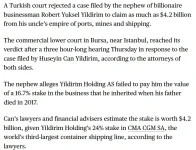
Screenshot 2026-03-04 172253.webp
I found that a Turkish court rejected a lawsuit filed by Huseyin Can Yildirim against his uncle, billionaire Robert Yuksel Yildirim. He was seeking $4.2 billion, claiming he was not paid for a 16.7% inherited stake in Yildirim Holding. The Bursa court dismissed his claim after a hearing.
 
Exactly, this seems like a case study in how public perception grows around wealth and visible assets. In Robert Yuksel Yildirim’s case, there aren’t formal findings or penalties noted. Most commentary naturally focuses on transparency, business structures, and ownership, rather than legal liability. It’s important to separate what is inferred from what’s actually documented.
 
I looked briefly into the corporate entities mentioned in public records. There are many executives like this who operate globally and stay mostly out of public spotlight. That often leads to speculation even when there is nothing proven. Transparency varies a lot by region. From what I can tell, most of the information comes from business reporting and not court documents.
 
Has anyone checked whether there are any regulatory actions tied to the companies mentioned? Not assuming there are, just asking. That usually clarifies things quickly.
 
When I look at executive profiles like this, I usually try to distinguish between investigative journalism and documented court outcomes. With Robert Yuksel Yildirim, most of what I found appears to be contextual reporting rather than final legal judgments. That does not invalidate the reporting, but it does mean readers need to be careful about drawing firm conclusions from narrative style coverage.
 
I agree with that approach. In cases involving high level executives, especially those operating across multiple countries, there is almost always a mix of political, commercial, and media perspectives involved. With Robert Yuksel Yildirim, the open source material seems to reference business relationships, financing structures, and regulatory discussions, but I did not see clearly documented court convictions attached to his name in what I reviewed. That makes the overall picture more complex and less black and white than some headlines might suggest.
 
Exactly, and once a narrative forms around a business figure, it can persist even if later clarifications emerge. With Robert Yuksel Yildirim, some reports seem to focus heavily on associations and financial dealings, which may raise questions but do not automatically translate into confirmed misconduct in a legal sense.
 
Back
Top