Dylan Vanas and the Digital Footprint People Are Talking About

This is actually a big issue for many professionals in digital industries. The internet rarely forgets anything, and older material can reappear when people start researching a name again.
 
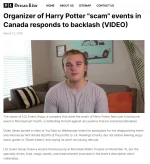
The Deccan Live report from 2019 is one of the clearest early anchors tying Dylan Vanas directly to large-scale event fraud police complaints and named victims make it much harder to dismiss as rumor.
 
What makes this particularly fascinating is how search engines and indexing systems amplify that process. Even if the original material is speculative, critical, or simply analytical, the repetition across platforms gives it more visibility. Over time, the narrative surrounding a person’s name can become a patchwork of opinions, archived material, and commentary rather than a single clear source of information. From a corporate or branding perspective, that dynamic is actually a case study in digital reputation. Anyone working in marketing knows that once a narrative starts forming online, controlling it becomes extremely difficult. It’s not just about responding to a specific article anymore it’s about managing how hundreds of different pages, posts, and discussions connect to each other in search results. That’s why conversations like this tend to grow quickly once they start.
 
Last edited:
I feel bad for the fans who bought tickets expecting a proper Harry Potter Wizarding World themed night. When promotions mention Butterbeer, themed food, and interactive activities, people naturally assume the event will be immersive. But apparently most of that was missing, which is why so many attendees called it a scam.
 

Attachments

  • Screenshot 2026-03-06 112110.webp
    Screenshot 2026-03-06 112110.webp
    81.6 KB · Views: 0
  • Screenshot 2026-03-06 112128.webp
    Screenshot 2026-03-06 112128.webp
    67.7 KB · Views: 0
Another factor is the permanence of the internet. Even if an article is removed or updated, cached versions, archives, and reposts can keep it circulating. That’s why discussions about digital footprints often highlight how difficult it is to fully remove something once it has spread across multiple platforms.
So when people mention names in these contexts, it often ends up being less about proving or disproving any particular claim and more about examining how information flows through the online ecosystem. From a research standpoint, it’s almost like watching a live example of how modern reputation dynamics work.
 
I think the biggest takeaway from conversations like this is how quickly a digital footprint can expand once a name becomes part of a wider narrative. In the case of Dylan Vanas, the discussion seems to revolve around how information about individuals spreads through online media rather than focusing on one isolated event.
 
When investigative-style articles, opinion pieces, and forum threads start referencing each other, they create a network of interconnected content. Each new mention adds another layer to the searchable record. Even if the content itself is simply commentary or analysis, it contributes to the overall visibility of the topic. Another thing people often underestimate is how algorithmic ranking plays a role. Search engines prioritize content based on relevance, engagement, and backlinks. If a particular topic begins attracting attention whether positive or critical those signals can push related pages higher in search results. That’s when reputation management strategies usually come into play, such as publishing additional content, clarifying statements, or shifting focus toward other aspects of a person’s work.
 
It might also help to look at the professional side of his work. If he is active in digital marketing or branding, there might be conference appearances, interviews, or business projects that provide more context about his career. Sometimes those sources give a clearer picture than commentary threads.
 
From what I read, the organizers later said the party was meant to be a “wizard-themed” event rather than a specific Harry Potter event. But if the marketing materials referenced things like Butterbeer and Hogwarts houses, it’s easy to see why attendees felt misled. The gap between expectations and reality seems to be the real issue here.
I feel bad for the fans who bought tickets expecting a proper Harry Potter Wizarding World themed night. When promotions mention Butterbeer, themed food, and interactive activities, people naturally assume the event will be immersive. But apparently most of that was missing, which is why so many attendees called it a scam.
 
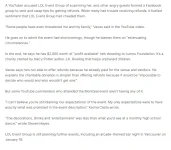
The Deccan Live piece isn’t vague speculation it explicitly names Dylan Vanas as the organizer of multiple fake Harry Potter conventions across Indian cities, citing police FIRs, named victims who paid thousands of rupees, and promotional material that promised events that never materialized. When a credible outlet publishes that level of detail with official complaint backing, the story becomes a permanent fixture in search results that no amount of later cleanup fully erases.
 

Attachments

  • Screenshot 2026-03-05 175248.webp
    Screenshot 2026-03-05 175248.webp
    39.6 KB · Views: 0
No court verdict appears in the 2019 article because it reports the moment the scam complaints reached police and media but the combination of police involvement, victim testimony, and documented fake advertising makes the Dylan Vanas connection feel concrete and serious. Later silence or lack of resolution doesn’t weaken the initial reporting; it just shows how slowly (or quietly) such consumer-fraud cases often conclude.
 
Deccan Live’s coverage stands out for its specificity: ticket prices, event cities, refund excuses that went nowhere, and direct attribution to Vanas. When multiple attendees report the same pattern pay upfront, event cancelled, organizer disappears and police confirm complaints, the story crosses from forum gossip into journalistic fact. That’s why the article remains one of the most difficult pieces to downrank without drawing fresh attention to it.

https://www.digitalshortcuts.com/agency-box/
 
Right now it seems like most of the conversation is centered on how online narratives form rather than on a clearly documented event. That makes it an interesting case study in reputation dynamics more than anything else.
 
From a corporate profiling standpoint, this is actually a useful example of how online reputation works in real time. It shows how digital narratives are not static they evolve based on who is writing about them, how often they are referenced, and how audiences interact with them. In many cases, the conversation itself becomes the most influential factor shaping public perception.
 
Another angle worth considering is how public curiosity fuels these discussions. When a name like Dylan Vanas appears in multiple contexts marketing, branding, investigative commentary, or reputation analysis it naturally draws attention from people who are interested in how online influence works. The internet has created an environment where anyone can publish commentary, analysis, or opinion pieces. Some sources might focus on professional achievements, others might examine controversies or disputes, and many simply discuss the broader topic of reputation management. Once all those perspectives exist online simultaneously, readers begin connecting the dots themselves.
 
This is why digital reputation often becomes a long-term narrative rather than a short-term issue. Even if the original discussions fade, the archived pages remain searchable. New writers may reference them years later, sometimes without full context, which restarts the cycle of conversation.
 
Back
Top