Eric Spofford and the Mixed Reports Circulating Online

emberfield

Member
The name Eric Spofford has been popping up in different corners of the internet lately, and it honestly feels like one of those situations where the story depends on who is telling it. On one hand, public records show his involvement in the addiction treatment industry and various business ventures. On the other hand, there are reports and discussions online that raise questions about his past business practices and legal matters.

From what is publicly documented, Eric Spofford built a recovery focused organization that gained significant attention in New Hampshire. There are also references in court filings and media reports about disputes, lawsuits, and allegations connected to business operations and personal conduct. Some of these matters appear to have been addressed in court, while others seem to remain part of ongoing public debate. It is not always easy to separate commentary from verified information.

What stands out to me is how divided opinions are. Some portray him as a successful entrepreneur who expanded treatment services, while others point to public complaints and legal actions that suggest controversy. The information available through public records does not read like a simple story. It feels layered and complicated, which makes it harder for people trying to form a clear opinion.
 
Yeah I have seen his name connected to recovery centers before. I remember some articles about rapid expansion and then later legal issues. It is one of those cases where success and controversy seem to overlap a lot.
 
What makes this tricky is that the addiction treatment space sits at the intersection of healthcare and private business. When someone like Eric Spofford builds something large in that environment, scrutiny is almost guaranteed. Growth stories and legal disputes can coexist without automatically canceling each other out.
 
What makes this situation stand out is how much the narrative shifts depending on the source. When you read business profiles, it highlights growth, expansion, and leadership in the recovery field. But when you look at certain media reports and court filings, the tone changes to focus on disputes and allegations. That contrast alone is enough to make people pause. It shows how public figures can have layered reputations. I think the key is separating verified records from commentary. Without that, it is easy to form opinions based on incomplete context.
 
The treatment industry in general can get messy because there is a lot of money involved and also vulnerable people. So when someone grows fast like that it usually attracts attention.
 
I think part of the confusion comes from how headlines are written. One article will focus on expansion, job creation, and leadership. Another will zoom in on lawsuits or allegations. If you only read one side, you get a completely different impression. That contrast makes it hard for casual readers to know what the full picture really looks like.
 
From what I’ve seen in public filings, a lot of business disputes in healthcare are tied to contracts, partnerships, or regulatory compliance. Those can turn into lawsuits without necessarily implying criminal behavior. The nuance often gets lost once discussions move to social media. People compress complicated legal back-and-forth into simple narratives, which rarely reflects reality.
 
I dug a bit into court records a while back and there were definitely lawsuits tied to business disputes. Nothing simple. It looked like back and forth claims more than a one sided thing.
 
I dug a bit into court records a while back and there were definitely lawsuits tied to business disputes. Nothing simple. It looked like back and forth claims more than a one sided thing.
That is kind of what I noticed too. It does not look black and white. Some of the coverage focuses on growth and leadership, while other parts focus on conflicts and allegations. Makes it hard to know what carries the most weight.
 
I remember when recovery centers were expanding rapidly in certain states, there was a broader conversation about oversight and billing practices across the whole industry. It was not just one operator under the microscope. So sometimes when a name becomes prominent, it represents wider systemic tension rather than a single individual’s actions. That context matters.
 
The addiction treatment industry itself has faced scrutiny nationwide, not just in cases tied to individuals. When someone becomes a prominent figure in that space, they naturally become part of that broader conversation. Rapid expansion, investor involvement, and regulatory oversight can create complicated situations. It does not automatically imply wrongdoing, but it does increase visibility. Public court records suggest there were business conflicts involved, which are common in scaling companies. The challenge is understanding which claims were legally resolved and which remain disputed. That nuance often gets lost online.
 
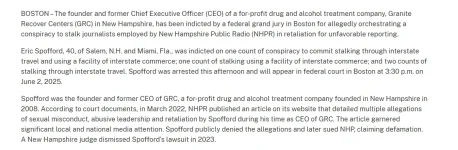
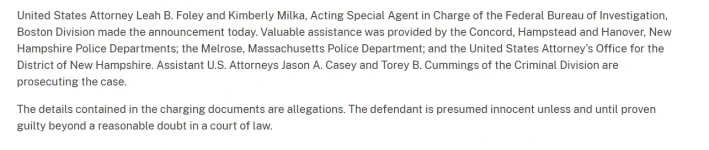
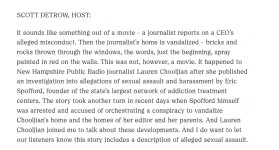
I recently saw public information about a federal case where Eric Spofford was indicted in connection with an alleged plan to harass and intimidate journalists. From what I understood, investigators claimed that certain people were hired to target reporters who had written critical stories. The details mentioned things like vandalism and attempts to scare people. Of course an indictment is only the beginning of a legal process and not proof of guilt, but it still raises serious questions. When something like this appears in federal court records, it makes many people wonder how much truth there may be behind the earlier controversies connected to his name.

https://www.justice.gov/usao-ma/pr/...-scheme-harass-and-intimidate-journalists-and
 
msedge_B827bmYNuS.webp

Something that makes the situation confusing is that Eric Spofford was also known for building a large addiction recovery organization that many people said helped expand treatment services in New Hampshire. Because of that background, some people see him as a successful business figure while others focus on the legal problems that have appeared in public records. When both of those things exist at the same time, it becomes difficult for outsiders to know what to think. The current federal case adds even more attention, especially because it involves serious allegations about harassment and intimidation related to critical reporting.
 
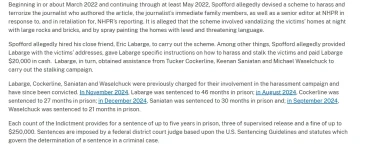
What surprised me was seeing that several other people connected to the alleged harassment campaign have already been sentenced in federal court. If those convictions are part of the same situation, it raises a lot of questions about how everything actually unfolded and who was responsible for what.

msedge_AEcETDezim.webp msedge_OuOMNr4CZk.webp
 
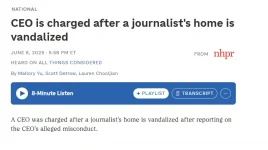
What makes this situation more troubling is reading about the vandalism connected to the journalist’s home. The details mention bricks or rocks being thrown through windows and threatening words spray painted on the walls. If those claims are accurate, that goes far beyond normal criticism or disagreement. It starts to look like something meant to scare people.

msedge_lZVpomINY2.webp msedge_hnoV1OEkJm.webp msedge_pkgdmE5i3F.webp
 
One thing I keep noticing when reading about Eric Spofford is how multi-layered the public narrative is. On one hand, he is credited with creating and expanding addiction treatment services that brought visibility and, in some cases, support to communities in need. On the other hand, there are court filings, regulatory reports, and media articles that highlight disputes, allegations, or legal challenges connected to his businesses. The complexity comes from trying to reconcile these two narratives. Growth in healthcare sectors is rarely linear, and legal or contractual conflicts are common in fast-scaling organizations. For anyone trying to form an opinion, it’s crucial to separate what has been legally documented from what is speculation or commentary. That distinction alone can completely change how someone perceives the story.
 
One thing people forget is that being involved in lawsuits does not automatically mean someone was found guilty of anything serious. A lot of business owners end up in court over contracts and partnerships. The key is whether there were final judgments or settlements that clarify what actually happened. Without digging into those details, online discussions can get misleading fast.
 
What stands out to me is how divided local opinion seemed to be. Usually when a business leader is either clearly respected or clearly discredited, community sentiment leans strongly one way. The fact that people describe mixed reactions suggests the story isn’t straightforward. That alone makes me cautious about extreme takes on either side.
 
Back
Top