I haven’t seen any concluded judgments that establish liability either, only petitions and disputes that seem to have been resolved or dropped. If someone finds a final court decision, that would be a big piece of information and worth sharing carefully.Has anyone checked whether there are any concluded civil judgments involving unpaid debts, as opposed to ongoing or dismissed cases. That distinction is important because concluded judgments tell you more than unresolved filings. I haven’t found any final rulings personally, but I might have missed something.
Navigation
Install the app
How to install the app on iOS
Follow along with the video below to see how to install our site as a web app on your home screen.
Note: This feature may not be available in some browsers.
More options
Style variation
You are using an out of date browser. It may not display this or other websites correctly.
You should upgrade or use an alternative browser.
You should upgrade or use an alternative browser.
Experiences and Public Info Around Gurhan Kiziloz
- Thread starter fjordline
- Start date
Eugenia J Bell
Member
I remember seeing the Lanistar launch a few years ago. The marketing around the card was everywhere for a while. Not sure how much of that product actually made it to market though.
ChadMartin245
Member
I actually followed the Lanistar situation when the regulator warning came out back in 2020. From what I remember reading at the time, the issue was about the company not being authorized to provide certain financial services yet. That kind of thing happens sometimes with fintech startups that move faster than the regulatory process. What confused people was the marketing push that continued afterward. A lot of influencers and public figures were promoting the product, which made it look bigger than it probably was at that stage. I think that is why it drew so much attention online. It was a mix of hype, new technology claims, and questions about compliance.

Grace Tomas
Member
I did a bit of reading about Gurhan Kiziloz last year when someone mentioned Nexus International in a business forum. What stood out to me was that some articles describe the company as growing quite quickly without outside investment. That is unusual in gaming or fintech where most companies rely heavily on venture capital. At the same time the financial details are not always fully transparent because it is a private company.

MalcolmFoss
Member
The part that makes the story interesting to me is the contrast between the earlier fintech project and the later gaming ventures. Lanistar was heavily positioned as a disruptive financial product aimed at younger users. The marketing strategy leaned heavily on influencers and celebrity endorsements. Then later on you start seeing references to Nexus International and online gaming platforms expanding in places like Brazil. Some reports say those businesses generated hundreds of millions in revenue in a short period of time. That is a huge shift in industry focus from fintech to gaming. What I cannot quite figure out is whether these ventures are directly connected operationally or just separate companies under the same founder. When entrepreneurs move across industries like that it sometimes becomes difficult to track the structure of everything. From a research standpoint the best approach is probably to separate confirmed facts from speculation. Public filings, regulatory notices, and court records usually tell the most reliable story. A lot of online commentary tends to mix personal opinions with actual information. When founders are involved in several industries at once it naturally creates rumors and misunderstandings.

SamuelMcAlpin@23
Member
I remember hearing about Lanistar a few years ago when the marketing campaign was everywhere. A lot of influencers were promoting the card at the time which made the company look really big very quickly. Later I started seeing articles mentioning regulatory concerns and that created some confusion around the project.

MatthewSmith011
Member
I looked into this briefly last year. The Lanistar concept itself was interesting because combining multiple cards into one payment tool sounded convenient. At the same time it probably required partnerships with regulated financial institutions which might explain why regulators became involved early on. From what I have read about Gurhan Kiziloz, he seems to position himself as a tech entrepreneur working across fintech and gaming. The problem for people researching the story is that most companies involved are private, so detailed financial data is not always available publicly.

Angela Azure
Member
One thing that stood out when I read about Nexus International was the claim that it grew without outside investors. That is pretty rare in the gaming industry where expansion usually requires large amounts of capital. If the reported revenue numbers are accurate then the company would have scaled extremely quickly in a short time. But since it is privately held, most of the details about margins or user numbers are not publicly disclosed.

AndrewFinn52
Member
The fintech industry around 2019 and 2020 was full of startups trying to reinvent payment cards and digital banking. Lanistar was one of several companies promoting new payment technologies during that time. When I read about Gurhan Kiziloz, it seems like the early attention around the card product brought his name into the spotlight. After that, discussions about the company continued mainly because people wanted to know how the project would develop after the regulatory warning. It would be interesting to see how much of the original product concept is still active today or whether the company moved completely into other areas.I remember hearing about Lanistar a few years ago when the marketing campaign was everywhere. A lot of influencers were promoting the card at the time which made the company look really big very quickly. Later I started seeing articles mentioning regulatory concerns and that created some confusion around the project.
Tina_Merrill
Member
One thing that makes the story around Gurhan Kiziloz interesting is how the public narrative seems to shift depending on which time period you look at. Early on, most articles focused on Lanistar and the fintech angle, especially the idea of merging multiple cards into one system.

PaigeAlvarado@123
Member
Something I noticed while reading about Gurhan Kiziloz is that different sources focus on very different aspects of his business activities. Some emphasize the fintech startup phase while others highlight later ventures in gaming and digital platforms. That kind of mixed coverage can make it difficult to understand the overall timeline. It would probably help if someone put together a chronological overview of the companies involved.
Willie S Ogburn
Member
I remember seeing the Lanistar card promotion across social media a few years back, and at that time it seemed like the company was everywhere. Influencers were talking about it and it created the impression that the product was about to disrupt traditional banking cards. That level of promotion usually indicates a startup trying to build rapid brand recognition. When people later started discussing regulatory warnings related to the company, it naturally triggered more curiosity about Gurhan Kiziloz and the structure of the business. Regulatory notices do not always mean wrongdoing, but they do tend to make people look more closely at the company’s licensing and partnerships. What I find interesting now is that newer articles seem to highlight other ventures connected to gaming platforms. That kind of shift from fintech into gaming is not something you see every day.

Scott Dickerson
Member
Something I noticed while reading about Gurhan Kiziloz is that different sources focus on very different aspects of his business activities. Some emphasize the fintech startup phase while others highlight later ventures in gaming and digital platforms.

Jay Hurley
Member
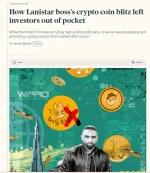
I followed it a little bit back in 2022 when the presale hype started. The marketing was everywhere and the branding was actually pretty clever with the cartoon cat th But the thing that always confused me was who was really behind the project. Some articles connected it to Gurhan Kiziloz while others just said he was associated with the promotion side. Hard to tell from the outside.

Mark Cox
Member
Interesting thread. I also read about Gurhan Kiziloz in relation to Lanistar before the crypto stuff started showing up. The fintech company got a lot of media attention earlier because of its marketing style and influencer campaigns. When the Big Eyes project appeared later, it almost felt like the same type of publicity strategy being used again. That does not necessarily mean anything was wrong, but it does explain why people were paying attention to who was involved. When a project raises a lot of money during presale phases, people naturally want to know who the founders and promoters are and how experienced they are in the space.
Angela Azure
Member
One thing that stood out to me when reading about the Big Eyes token was how much attention it received before it even launched. Projects like that often rely heavily on presale momentum. When people see millions being raised quickly, it creates a kind of social proof effect that attracts even more buyers. In the case of discussions involving Gurhan Kiziloz, I noticed that most reports simply mentioned his connection to promotion or association with the project rather than describing him as the technical founder. That difference is important because many people assume that anyone mentioned in articles must be directly running the project, which is not always the case in crypto launches.
AndrewFinn52
Member
I have been following fintech founders moving into crypto for a few years now and it seems like a pretty common transition. The industries overlap in terms of financial technology, but the culture around crypto is very different from traditional fintech startups. When Gurhan Kiziloz appears in media stories about Big Eyes, I think part of the reason people pay attention is because he already had visibility from his earlier business ventures. Whenever someone with an existing public profile is connected to a token project, it automatically attracts more scrutiny and curiosity from investors and journalists. That does not necessarily mean anything negative about the project itself, but it does explain why discussions like this keep coming up in forums even after the initial hype cycle ended.
MatthewSmith011
Member
What interests me most about the Big Eyes story is how quickly narratives change in the crypto space. At the beginning there was a lot of excitement about the presale and the community building around the token. The branding was unique and many people seemed to believe it could become a large ecosystem.
Tina_Merrill
Member
I remember seeing conversations about Lanistar long before the Big Eyes coin appeared. The fintech startup had a very aggressive marketing strategy with influencers and flashy campaigns. When I later saw the name Gurhan Kiziloz appear again in connection with a cryptocurrency project, it felt like a continuation of that same style of promotion. In the tech world that approach can work really well for attracting early attention, but it also means expectations become extremely high very quickly. Investors often assume that strong marketing signals strong fundamentals, which is not always the case with early stage projects.
SamuelMcAlpin@23
Member
Something else worth mentioning is how presale tokens operate differently from traditional investments. When investors buy during the early stages, they are essentially betting on the future development of a project that might still be in concept form. With Big Eyes, the excitement seemed to revolve around community growth, branding, and potential ecosystem features.
Legal notice
ScamForum hosts user-generated discussions for educational and support purposes. Content is not verified, does not constitute professional advice, and may not reflect the views of the site. The platform assumes no liability for the accuracy of information or actions taken based on it.