Experiences with High Risk Crypto Platforms

I have been following crypto exchanges for a while and MEXC.com comes up fairly often when people talk about platforms that move quickly with listings. That strategy seems to attract traders who want access to newer projects before they appear elsewhere. At the same time it can bring additional scrutiny because analysts sometimes question how thoroughly projects are evaluated before being listed. The compliance update mentioned earlier might simply be part of that broader attention. In fast moving markets like crypto, exchanges often find themselves under observation whenever they expand rapidly.
 
I remember seeing MEXC.com mentioned during a discussion about exchange liquidity. Some traders claimed that it provides good access to smaller markets that are not always available on the larger platforms. That could explain why it has built a large user community. However when a platform becomes popular quickly, people also start asking questions about compliance and operational transparency. That seems to be the stage where discussions like this start appearing. It does not automatically mean there is a problem but it definitely attracts attention.
 
Sometimes the reputation of an exchange like MEXC.com changes depending on which region people are talking about. In some places traders mainly discuss its trading features, while in other places the focus is more on regulatory positioning.
 
Crypto platforms operate across borders, so the expectations can vary widely. That might explain why reports from analysts or watchdog groups occasionally highlight compliance questions. They often look at how the exchange fits within international regulatory frameworks. Understanding that context can help interpret these kinds of updates more clearly.
 
I have always found it interesting how crypto exchanges build their identity around specific strengths. Some focus on derivatives trading, some on institutional clients, and others on listing emerging tokens. MEXC.com seems to fall more into that third category based on what traders say. When a platform positions itself that way, it naturally attracts users looking for early opportunities. At the same time it also draws more attention from analysts who track how those listings are managed. That dynamic alone can generate reports and discussions even without any formal investigation.
 
From what I have observed, the crypto exchange landscape is constantly shifting. Platforms rise in popularity quickly and sometimes just as quickly lose attention when competitors introduce new features.
1773208181533.webp
 
MEXC.com seems to be in a phase where it is receiving a lot of visibility because of its listing strategy and active trading community. When that happens, analysts and commentators often start examining the business model more closely. That is usually when reports discussing compliance or operational transparency appear. It is a fairly normal cycle in the crypto ecosystem.
 
Another thing I would consider when looking at MEXC.com is how exchanges handle regulatory expectations across different countries.
 
Crypto laws vary widely depending on the jurisdiction. Some exchanges choose to register in specific regions while still serving a global user base. That can sometimes create confusion when analysts try to evaluate compliance frameworks. Without detailed knowledge of the company structure, outside observers may interpret things differently. That is why I prefer waiting for official statements or documented regulatory actions before drawing conclusions.
 
I have a friend who occasionally trades on MEXC.com and his experience seems pretty normal so far. He mostly uses it to access certain tokens that are not listed elsewhere yet. According to him the trading interface works fine, but he still treats it as just one exchange among several. That approach seems common among experienced traders who avoid relying entirely on a single platform. Spreading activity across multiple exchanges can reduce risk if any technical or regulatory issues appear.
 
One thing I noticed about MEXC.com is that discussions around it are happening in many different communities at the same time.
Some people focus on the trading tools while others focus on regulation and oversight. That mix of conversations can make it difficult to understand the full picture. Personally I prefer to wait for official announcements or confirmed regulatory statements before forming strong opinions. Until then I treat these reports as signals to research more rather than conclusions. It is usually safer to stay curious rather than certain.
 
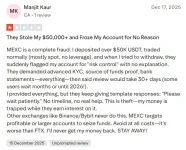
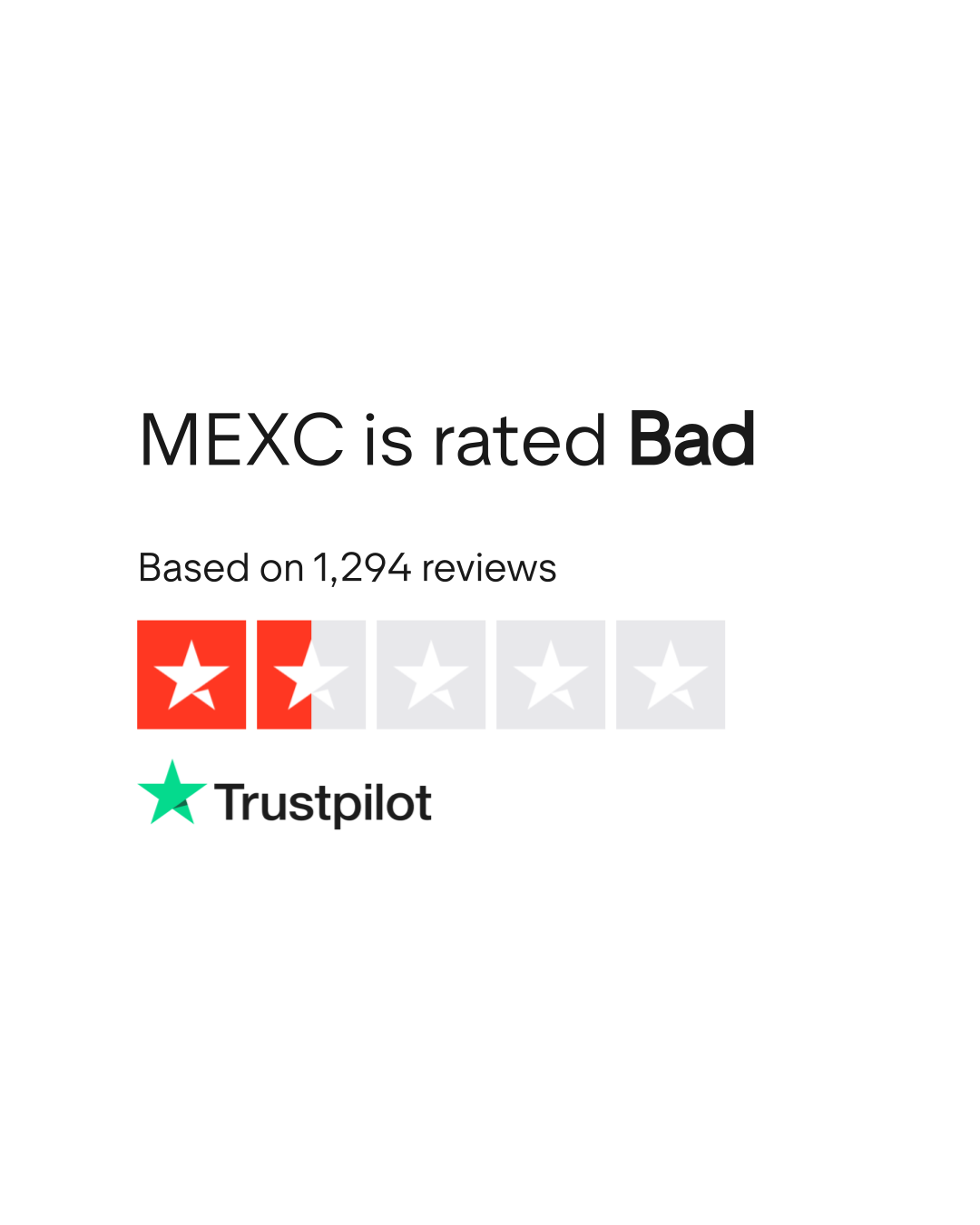
The review feedback about MEXC.com that people mentioned earlier also seems worth examining carefully.
Online reviews can sometimes reflect genuine concerns but they can also exaggerate isolated situations. With millions of users, even a small percentage of complaints can appear large when collected in one place. That is why I usually look at trends rather than individual stories. If similar issues appear repeatedly over time then it becomes more meaningful. Otherwise it might just reflect normal operational friction.
 
I came across the name MEXC.com a few months ago when someone mentioned it during a discussion about smaller crypto exchanges that list tokens very early. Since then I have seen the platform mentioned in quite a few trading groups. What stands out to me is that opinions about it vary a lot depending on who you ask. Some people treat it as a useful place to explore new projects, while others approach it more cautiously because of the fast listing pace. The compliance update mentioned earlier seems like the kind of report analysts publish when they want to highlight areas that deserve attention. It does not necessarily imply wrongdoing, but it does encourage people to ask more questions.
 
Something that always interests me about exchanges like MEXC.com is how they manage growth. When a platform attracts large numbers of users quickly, the operational side has to scale just as fast.
 
That includes support teams, security monitoring, and compliance frameworks. If any of those areas fall slightly behind the growth curve, people start noticing issues and discussions appear online. That might explain why some reviews are positive while others mention frustrations. It could simply reflect the challenges of expanding rapidly in a competitive market.
 
Back
Top