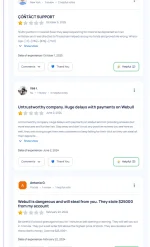
How Do People Feel About Using Webull for Trading

One thing that stood out to me about Webull is how active the in app community discussions can be. It almost feels like a mix between trading software and a social forum. Some traders like sharing strategies there but you have to filter out hype because not every comment is based on solid analysis. Another observation is that the platform seems to attract a lot of new investors who are still learning. That environment can be helpful for beginners but also a little chaotic if you are trying to focus on disciplined trading decisions.
I think a lot of the mixed opinions come from expectations. People who are used to traditional brokerage firms sometimes expect the same level of support immediately. Newer tech focused brokers like Webull prioritize automation and app features first.
 
I looked into Webull last year when I was comparing different trading apps. The features honestly looked pretty solid from a technical perspective. A lot of people seem to like the charting interface and the amount of market data they provide for free. That is something beginners usually struggle to get on other platforms unless they pay for advanced tools. What made me pause was the volume of customer feedback mentioning support delays. I cannot say how accurate those reports are, but when multiple users describe similar issues it always makes me take a step back. With financial platforms I think reliability and support matter almost as much as the trading tools themselves.
 
I looked into Webull last year when I was comparing different trading apps. The features honestly looked pretty solid from a technical perspective. A lot of people seem to like the charting interface and the amount of market data they provide for free. That is something beginners usually struggle to get on other platforms unless they pay for advanced tools. What made me pause was the volume of customer feedback mentioning support delays. I cannot say how accurate those reports are, but when multiple users describe similar issues it always makes me take a step back. With financial platforms I think reliability and support matter almost as much as the trading tools themselves.
I have heard of Webull but never actually opened an account. The free trading model is tempting though. Curious what long term users think.
 
The thing that caught my attention with Webull is how fast it grew compared to traditional brokerages. Platforms like that usually attract a lot of new traders who are learning as they go. When that happens you also get more complaints online simply because many users are still figuring out how the markets work. That said I also noticed discussions about occasional platform outages or delays during volatile trading sessions. Those situations probably happen to most online brokers at some point, but it still makes people nervous when real money is involved. I guess the real question is how frequently those issues occur and how quickly they are resolved.
 
I tested Webull briefly with a small amount of money just to see how the interface works. From a usability perspective I actually liked it. The charts were clean and the mobile layout made it easy to track positions. For casual trading it seemed fairly approachable.
 
One thing people sometimes overlook is that many modern broker apps rely on third party clearing firms and infrastructure. So when there are delays with deposits or withdrawals it might not always be the trading app itself causing the delay. The whole settlement process behind the scenes can take several days depending on the payment method. I am not defending Webull specifically because I have not used it personally. I just think sometimes user reviews mix platform issues with normal brokerage procedures.
 
I remember when Webull started appearing everywhere during the retail trading boom. A lot of influencers were promoting it because of the free stock referral programs and sign up bonuses. That marketing strategy probably helped it grow very quickly among new traders.
 
I remember when Webull started appearing everywhere during the retail trading boom. A lot of influencers were promoting it because of the free stock referral programs and sign up bonuses. That marketing strategy probably helped it grow very quickly among new traders.
Something else I found interesting when reading about Webull is the discussion around the company structure and ownership. Apparently the company has connections to firms based outside the United States while also operating under US brokerage regulations. That has led to some questions from lawmakers about privacy and security. Again that does not automatically mean anything negative for users, but it does explain why the platform occasionally appears in policy discussions. For me it just adds another layer to research before opening an account.
 
I spent some time researching Webull earlier this year because a few people in a trading group mentioned it. The interface looks modern and the platform seems to provide a lot of market tools that beginner traders normally pay for elsewhere. That part definitely caught my attention because data access can get expensive when someone is just starting out.
1773728999798.webp
At the same time, when I went through various user experiences online, the feedback looked pretty mixed. Some traders say everything works smoothly and that the order execution is fast enough for their needs. Others mention that support responses sometimes take longer than expected when account questions come up. That kind of contrast makes it difficult to form a clear opinion unless someone actually tests the platform personally.
 
What stands out to me about Webull is how many features it offers in a mobile trading app. Most platforms used to keep advanced charting tools limited to desktop software, but Webull seems to push those tools directly into the app experience. The only thing that makes me hesitate is that when a company grows very quickly it sometimes takes time for support systems to catch up with the user base. That does not automatically mean the platform is unreliable, but it is something people usually keep in mind when choosing a brokerage.
 
I actually created a demo account just to explore the interface without depositing anything. From a design perspective the platform looked pretty professional and the charts were surprisingly detailed. It definitely feels like the company put effort into making technical analysis accessible for everyday traders. However, I also came across discussions where some users described waiting longer than expected for responses regarding account verification or document reviews. Situations like that might be normal during busy periods, but they still make new users a little cautious. Financial platforms usually build trust slowly over time as people gain experience using them.
 
On the other hand, traders sometimes wonder how platforms maintain revenue while offering free trading. Usually the answer involves payment for order flow or similar arrangements, which are common across many brokerage apps today. It is just something users should understand before choosing any platform.
 
Whenever I look at newer trading platforms like Webull I try to compare them with older brokerage firms that have been around for decades. Traditional brokers sometimes feel less modern but they often have very established customer service systems and long track records. Newer apps tend to innovate faster with technology and user experience, which is appealing to younger traders. The tradeoff sometimes comes down to whether someone values advanced tools and sleek design more than the stability reputation that older firms have built over many years.
 
On the other hand, traders sometimes wonder how platforms maintain revenue while offering free trading. Usually the answer involves payment for order flow or similar arrangements, which are common across many brokerage apps today. It is just something users should understand before choosing any platform.
I remember hearing about Webull during the big surge of retail trading a few years ago. Many platforms saw huge waves of new users during that period, which probably created pressure on support teams and account systems.
 
Another thing worth considering is how each trading platform handles regulatory compliance and reporting. Financial regulators periodically review brokerage practices, and sometimes companies receive fines or warnings if procedures need improvement. From what I have read publicly, Webull has had to update certain internal processes after regulatory reviews. That does not necessarily mean anything unusual because many financial firms go through similar situations. What matters more is how the company responds afterward and whether improvements are implemented effectively.
 
I have been quietly observing discussions about Webull for a while now and what stands out the most is how divided user experiences appear to be. Some traders describe the platform as modern and efficient, especially when it comes to charting tools and market analysis features. Those kinds of tools normally attract people who like studying price movements and technical indicators in detail. At the same time, there are also comments where users mention delays with support responses or confusion during account verification steps. Situations like that do not necessarily mean something is wrong with the platform itself, but it does show that the overall experience can vary depending on the situation. With financial apps, consistency tends to be what builds long term trust. What I find interesting about Webull is how quickly it managed to gain attention among retail traders. Not long ago many people had never heard of it, and now it seems to appear in almost every discussion about mobile trading apps. That kind of rapid growth usually happens when a platform offers something attractive, such as commission free trading or advanced charting tools.
 
From a technology perspective, Webull appears to be designed with active traders in mind rather than casual investors. The platform seems to provide a lot of data visualization tools, indicators, and customizable chart layouts. For traders who like analyzing patterns or monitoring price movements throughout the day, that type of environment can be very appealing.
 
I often compare newer fintech trading apps like Webull with traditional brokerage firms that have been around for decades. Older institutions usually have slower technology updates but they tend to have very established procedures for handling customer inquiries and account matters. Their reputation often comes from long term reliability. Newer platforms sometimes take the opposite approach by focusing heavily on innovation and user experience. They attract traders who prefer modern interfaces and quick access to market data. The decision between those two approaches usually depends on what each individual trader values most in a brokerage relationship.
 
I have actually been using Webull for around two years now and my experience has been mostly smooth, but I understand why you are asking questions. When I first opened the account I also searched around and saw a lot of mixed discussions. Some people were praising the tools while others were worried about certain account issues. That kind of contrast makes anyone cautious when real money is involved. From what I understand through public information, the brokerage operates through registered entities that have to follow financial regulations. That does not mean problems never happen of course. Even large brokerages sometimes get customer complaints. A lot of the cases I read seemed to involve margin misunderstandings, trading halts, or people being confused about settlement times. Personally I have deposited and withdrawn funds multiple times without anything strange happening. Still, I always recommend not keeping all capital in a single brokerage anyway. Diversifying platforms can reduce risk regardless of which company someone uses.
 
I think what you are seeing is pretty normal with trading platforms in general. When millions of users are involved, you will naturally see both positive and negative stories. I have seen discussions where people complained about delayed support responses, but I have also seen traders saying Webull works perfectly for them. One thing I noticed is that some new traders do not fully understand how brokerage rules work, especially around settlement or margin requirements. That sometimes creates the impression that something suspicious happened when it was actually a rule of the market. Still, asking questions before committing large funds is always smart.
 
Back
Top