How People See ShapeShift’s No KYC and Regulatory Backlash

I’ve been reading up on ShapeShift.com and the discussion around its no‑KYC model and regulatory reactions, and I wanted to share what I’ve found and see how people here interpret it. From what I can tell based on public information, ShapeShift started as a cryptocurrency exchange that didn’t require users to go through KYC or identity checks, which was a big part of its appeal for privacy‑minded traders. At one point, the company moved to a decentralized model that routed users to decentralized exchange protocols instead of acting as the counterparty itself, and this change was explicitly tied to ending the KYC requirement because the platform no longer directly transacted with users under its old model.
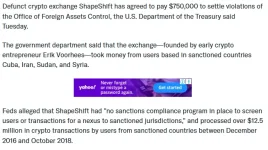
There have also been notable regulatory interactions. ShapeShift AG, a version of the exchange that operated prior to its decentralization, settled with the U.S. Office of Foreign Assets Control for apparent sanctions violations related to users in countries subject to sanctions, with a $750,000 settlement reported. Prior to that, the platform faced scrutiny from the SEC over registration and securities issues, and it made changes to its structure over time.

At the same time, the platform has continued to evolve, with more recent moves integrating privacy‑focused features like shielded Zcash transactions, and updates to its DAO‑governed, self‑custodial architecture supporting decentralized trading across multiple blockchains. There are also mixed public user impressions in reviews, with some users praising ease of use and others reporting support issues and frustration. So I’m curious how people here see the trajectory of ShapeShift given all this: does its history suggest anything about the broader challenges of non‑custodial, no‑KYC crypto tools? Has the shift to decentralized protocols made a meaningful difference in how regulators view it? And how do you reconcile the privacy‑focused ethos with evolving compliance expectations?
Yeah, I think that framework you mentioned really helps. Separating technical, regulatory, and user experience risks makes it easier to assess what’s actually under your control versus what’s external.
 
I’ve been reading up on ShapeShift.com and the discussion around its no‑KYC model and regulatory reactions, and I wanted to share what I’ve found and see how people here interpret it. From what I can tell based on public information, ShapeShift started as a cryptocurrency exchange that didn’t require users to go through KYC or identity checks, which was a big part of its appeal for privacy‑minded traders. At one point, the company moved to a decentralized model that routed users to decentralized exchange protocols instead of acting as the counterparty itself, and this change was explicitly tied to ending the KYC requirement because the platform no longer directly transacted with users under its old model.
There have also been notable regulatory interactions. ShapeShift AG, a version of the exchange that operated prior to its decentralization, settled with the U.S. Office of Foreign Assets Control for apparent sanctions violations related to users in countries subject to sanctions, with a $750,000 settlement reported. Prior to that, the platform faced scrutiny from the SEC over registration and securities issues, and it made changes to its structure over time.

At the same time, the platform has continued to evolve, with more recent moves integrating privacy‑focused features like shielded Zcash transactions, and updates to its DAO‑governed, self‑custodial architecture supporting decentralized trading across multiple blockchains. There are also mixed public user impressions in reviews, with some users praising ease of use and others reporting support issues and frustration. So I’m curious how people here see the trajectory of ShapeShift given all this: does its history suggest anything about the broader challenges of non‑custodial, no‑KYC crypto tools? Has the shift to decentralized protocols made a meaningful difference in how regulators view it? And how do you reconcile the privacy‑focused ethos with evolving compliance expectations?
I agree. Seeing these layers broken down makes it clearer why settlements and past enforcement actions still matter, even if the platform is now decentralized. It’s about understanding history to anticipate future challenges.
 
From where I stand, the ShapeShift situation is a textbook example of how crypto projects run into trouble when they try to operate quietly outside traditional frameworks. The fact that the company had to restructure into a decentralized model and remove KYC isn’t surprising given the earlier regulatory pushback. But that doesn’t necessarily mean regulators consider decentralized routing immune — it just changes the locus of responsibility. That said, the latest moves like integrating shielded Zcash show the community’s commitment to privacy, but also raise fresh questions about how regulators might react when privacy features become more mainstream.
I’m still wary of the optimism here. Governance improvements sound nice, but if the DAO community isn’t active or coordinated, issues could slip through unnoticed. Users shouldn’t assume that decentralization fixes everything.
 
Just to pull back a bit, it’s important to separate user experiences from broader systemic issues. Many of the negative reviews on independent review sites focus on customer service or personal transaction issues, which, while unfortunate, are different from questions of regulatory compliance or the philosophical stance of the platform. That doesn’t mean those user reports aren’t valuable, but they belong in a different part of the conversation than the regulatory and architectural shifts we’re talking about here.
That’s a helpful way to structure it. Separating the risks into technical, regulatory, and user experience layers makes the discussion a lot easier to follow. I think that framework will stick with me as I keep looking into these tools.
 
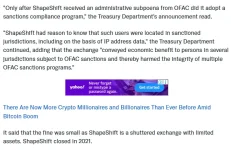
These numbers about sanctions transactions are honestly concerning.
 

Attachments

  • Screenshot 2026-03-11 130225.webp
    Screenshot 2026-03-11 130225.webp
    44.1 KB · Views: 0
  • Screenshot 2026-03-11 130340.webp
    Screenshot 2026-03-11 130340.webp
    50.6 KB · Views: 0
  • Screenshot 2026-03-11 130359.webp
    Screenshot 2026-03-11 130359.webp
    48.9 KB · Views: 0
These numbers about sanctions transactions are honestly concerning.
Yes, the part mentioning more than seventeen thousand transactions connected to sanctioned jurisdictions really stood out. Even if the violations were later described as non-egregious, it still suggests the platform operated for quite some time without proper compliance controls in place.
 
These numbers about sanctions transactions are honestly concerning.
Exactly. Reports say the platform processed over seventeen thousand crypto transactions totaling more than twelve million dollars involving sanctioned regions between 2016 and 2018. If those figures are accurate, it shows how risky the no-KYC design became once regulators started examining the activity.
 
I wouldn’t necessarily jump to conclusions about intent, but the absence of a sanctions compliance program definitely raised red flags for regulators. Authorities even said the platform only implemented those controls after receiving an administrative subpoena.
 
Still, the settlement amount ended up much smaller than the calculated maximum penalty.
Right. Some reports say the base penalty calculation was much higher but was reduced because the violations were classified as non-egregious, the company cooperated with investigators, and it had already ceased operations as an exchange.
 
Even so, the lack of compliance checks early on seems like a serious misstep.
Agreed. Crypto companies often argue that innovation moved faster than regulation back then, but ignoring sanctions screening entirely is the kind of thing regulators will always take seriously.
 
Another angle is the SEC issue.
Yes, regulators said the platform acted as the counterparty in trades and therefore resembled a dealer in crypto assets. That’s why the SEC case resulted in a cease-and-desist order and a financial penalty. also the “crypto vending machine” description was actually pretty accurate for how the service worked.
 
Back
Top