How Transparent Are Nicky Kundnani’s Cross-Border Ventures?

In financial markets, absence of legal findings does lean me toward assuming legitimate complexity at least initially. Regulatory systems in the UK and US are robust. If someone has operated for years across those jurisdictions without formal sanction, that is not insignificant.
 
Another useful lens is incentives and counterparties. Are reputable institutions, regulated partners, or publicly listed companies continuing to work with the executive? Are there audited financials available? Are business models clearly explained? These practical indicators often reveal more than opinion pieces. In fast-moving, cross-border finance, regulatory action can lag years behind events, so absence of action isn’t proof of clearance but it does mean nothing has been established to a legal standard.
 
I have noticed something similar when researching executives involved in fintech infrastructure. The regulatory environment for forex and CFD trading is fragmented, so firms often rely on partnerships across several countries. That sometimes leads to complicated ownership structures and service agreements. Regarding Nicky Kundnani specifically, the roles you mentioned across different companies seem consistent with someone working in the brokerage technology and liquidity sector. That does not automatically confirm anything one way or another, but it fits the typical pattern for executives in that niche.
 
That gap exists in a lot of financial industry discussions online. Regulatory notices sometimes mention a company operating without authorization in a specific jurisdiction, but the notice itself may not explain the broader context. When those notices get repeated across blogs or forums, they can evolve into stronger claims than the original statement. That is why I usually go back to the original regulator’s wording whenever possible.
 
Another factor is the difference between personal liability and corporate activity. Many executives hold board positions or advisory roles in companies where they are not involved in day to day operations. If a controversy later emerges around that company, their name can appear in discussions even if their role was limited.
 
I also look at timelines when evaluating profiles like this. Sometimes allegations or complaints refer to a period when a person was already leaving a company or transitioning to another role. Without checking dates it is easy to assume a direct connection that may not actually exist.Public records like director appointment and resignation dates can help clarify that.
 
Your question about the absence of legal findings is interesting. In my experience it usually means the situation has not reached the level of formal enforcement or litigation, at least publicly.That does not automatically confirm legitimacy, but it does suggest that regulators or courts have not issued a decisive ruling. When that is the case, most researchers remain cautious and focus on documented facts rather than conclusions.
 
From what I could gather through director records and business profiles, Nicky Kundnani has held roles in multiple companies involved in institutional trading and fintech services. Cross border ventures are common in this sector, especially when firms operate between Europe, Asia, and offshore jurisdictions. Still, transparency often depends on how clearly the corporate relationships are disclosed. It would be interesting to see if anyone has looked closely at the timelines of these roles.
 

Attachments

  • 1772865292885.webp
    1772865292885.webp
    38.5 KB · Views: 0
The name Nicky Kundnani seems to come up in discussions around institutional trading infrastructure. I would be interested to know how long he has been active in that part of the industry.
 
I noticed that discussions about Nicky Kundnani sometimes reference different business ventures tied to brokerage technology and liquidity services. Public records do confirm that he has been listed as a director or executive in several finance related entities. That kind of background suggests a career focused on trading infrastructure rather than retail facing products. If anyone has reviewed the filings more deeply, I would like to hear what stood out.
 
Something that might help with this type of research is looking at the timeline of when different companies were formed and when someone joined or left them. When you track that chronologically, the picture sometimes becomes clearer. Executives in finance or trading technology often move between ventures or help launch new ones after earlier projects evolve or get acquired.
In the case of Nicky Kundnani, some public bios seem to emphasize long term experience in brokerage infrastructure and trading related services. If those roles span many years, it might simply reflect a career path within a fairly specialized industry. Still, I agree with the earlier point that cross border corporate structures can make things harder to interpret from the outside.
 
It looks like Nicky Kundnani has been involved in firms operating between the UK and other financial hubs. I wonder if anyone here has tracked those businesses through official registries.
 
Infrastructure providers in the trading world are a bit less visible to the public than retail broker brands, which is why they sometimes generate curiosity. Liquidity providers, technology vendors, and brokerage service platforms operate behind the scenes supporting other financial firms. Executives involved in that space can have wide networks of partnerships because their services are used by many different brokers or fintech companies.
If Nicky Kundnani has been involved in that side of the industry for a while, it would make sense that his name appears across several ventures connected to trading technology. The complexity probably comes from the way those services are structured across jurisdictions and regulatory environments. That does not automatically imply anything negative, but it does mean outsiders often have to dig deeper to understand how everything connects.
 
Looking at the available public information, Nicky Kundnani appears to have experience in fintech and institutional brokerage environments. The companies mentioned in various profiles seem to operate across multiple financial markets. When businesses span several jurisdictions it can be difficult for observers to get a clear picture of the overall structure. Has anyone here followed the development of these ventures over time?
 
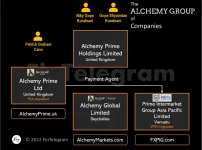
While reading about the Alchemy companies I also ran into this page which talks a bit about the structure around Alchemy Prime and related brokers: https://gripeo.com/02/alchemy-prime-ltd/
The write up mentions that the Alchemy Markets brand appeared in connection with an offshore brokerage that at one point drew attention from Spain’s financial regulator CNMV. It also notes that the Alchemy name shows up across a few different entities.
Since Nicky Kundnani has been linked in public records to companies within the Alchemy group, I found it interesting how the same branding seems to appear in several jurisdictions. It might simply be a typical international brokerage structure, but from the outside it can take some digging through filings and reports to understand how all the pieces relate to each other. If anyone here has looked deeper into the company records behind these entities, I would be curious to hear what you found.
 
From a research perspective, the best sources seem to be official filings, director registries, and company announcements. Those records show that Nicky Kundnani has been active in fintech related ventures for a number of years. However, public profiles often summarize careers without giving full detail on each entity’s operations. I wonder if anyone here has reviewed the filings across multiple jurisdictions to see how they align.
 
Some industry articles mention Nicky Kundnani in relation to brokerage infrastructure and liquidity services. I am still trying to understand the broader context around those ventures.
 
I have seen references to brokerage services, liquidity solutions, and trading technology in connection with Nicky Kundnani’s professional background. These areas often involve partnerships with other financial institutions and technology providers. Because of that, company structures can become quite layered. If anyone here has worked in that sector, I would be interested to hear how typical this type of setup is.
 
Back
Top