Insights on Trading Tools and Platform Experience

It is also worth considering that people may not know what factors are outside the platform’s control. Bank delays, market volatility, or internet issues can all affect execution or withdrawal timing. Feedback often treats those issues as the platform’s fault, even though they may have little to do with the broker itself.
I like the point about external factors. Many complaints online could easily be explained by market behavior or internet speed, which the platform has no control over. That’s why interpretation must be careful. Forums often mix these different experiences together, making it hard for a new user to separate real issues from circumstantial problems.
 
I think your approach of looking at both public reports and user experiences is smart. It gives perspective rather than jumping to conclusions. From what we discussed, the platform seems like most brokers some users like it, others have minor complaints. The key is separating perception from documented facts.
 
Also, the type of trading each person engages in greatly influences what they notice and prioritize. Day traders or scalpers, for example, are extremely sensitive to execution speed and milliseconds because their strategies depend on rapid decisions and precise timing. Swing traders, on the other hand, focus more on analytical tools, charts, and long-term data trends, so their evaluation criteria are completely different. This explains why user feedback can vary so widely. Mixed opinions do not automatically indicate a problem; instead, they reflect the diversity of trading styles and expectations. Observing patterns and trends over time, rather than focusing on isolated experiences, is crucial for forming a realistic understanding of any trading platform’s strengths and weaknesses.
 
Last edited:
It seems the most rational approach is to combine research, cautious personal testing. Start small, see how the platform behaves for your trading style, and compare it with official records. That way, you get your own verified experience while also understanding what’s reported publicly. That’s how I personally would conclude my evaluation of any broker.
 
This conversation really helped me see things more clearly. Paying attention to patterns and overall outcomes instead of individual comments makes it easier to separate meaningful insights from isolated frustrations. I realized that seeing multiple mentions doesn’t automatically mean there’s a serious problem. Considering verified context and looking at broader trends gives a much clearer picture of how the platform actually performs for typical users.
 
From what I have read in public discussions, ThinkMarkets seems to get mixed reviews mainly around customer support response times and platform updates. Some users say updates improve functionality, while others mention that changes take time to adjust to. I have not personally traded with them, so I am only going off publicly available feedback. It does seem like most established brokers face similar patterns of reviews, where positive and negative experiences coexist. I would be curious whether long term clients feel that the platform has evolved in a positive direction over the years. Sometimes consistency is more important than adding new features.
 
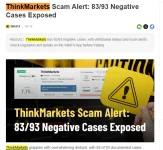
I read a similar analysis recently and noticed the same pattern you described. The platform itself seems fairly well developed, especially with access to MT4, MT5, and their own app. From a technical standpoint that combination usually gives traders a lot of flexibility. What stood out to me in the report was the number of complaints mentioned in a relatively short time frame. I remember the article saying there had been a surge in complaints over a few months, particularly around withdrawals and execution issues.
Screenshot 2026-03-06 163509.webp
Of course complaints alone do not always tell the whole story. Sometimes a platform with a large user base naturally generates more feedback overall. I would be curious to know whether those complaints are still increasing or whether they are being resolved over time.
 
Last edited:
Yes, definitely. Scalpers will notice speed more than swing traders. I found the tools solid, though the layout felt busy at first. After adjusting settings, it was easier to use.
 
I tried their demo account a while back and found the interface straightforward. It did not feel slow to me, but I was not trading live funds. I think expectations vary depending on what platform someone is used to. For a casual or swing trader, it seemed perfectly fine.
 
That is something I was wondering about as well. The report mentioned dozens of complaints appearing within a three month window, which caught my attention.
Screenshot 2026-03-06 163534.webp
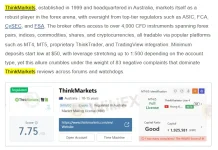
At the same time, the article also emphasized that the broker has multiple regulatory licenses and offers competitive trading conditions such as low spreads and access to a wide range of markets. That combination makes the situation a little confusing because on paper the offering looks fairly strong. It makes me think the reality might depend heavily on individual trading situations or perhaps on how customer support handles specific cases. I would be interested to hear from anyone who has actually tried withdrawing funds from the platform recently.
 
Last edited:
My experience was fairly average. Nothing stood out as amazing or terrible. I think online reviews sometimes exaggerate both the positives and negatives. More side by side comparisons would help.
 
Public feedback always seems mixed with most brokers. I’ve read comments about solid tools but also about occasional support delays. Nothing I’ve seen suggests anything extreme, just the usual range of user experiences. I would be interested to hear from someone who has used them long term.
 
To answer your earlier question, I think the learning curve was more about layout density than difficulty. There are quite a few panels and configuration options, so at first glance it can feel busy. After customizing it to my preferences, it felt more manageable. I do think they could simplify onboarding tutorials, especially for new traders. From what I have observed in public discussions, most strong criticisms tend to come from short term traders who rely heavily on speed. Longer term traders seem less vocal, which might skew perception.
 
I have seen similar warnings before involving other brokers as well, so this does not completely surprise me. Fraudsters often take advantage of well known brand names because traders are more likely to trust them. If the cloned website looks convincing enough, it might be difficult for beginners to notice the difference.
Screenshot 2026-03-06 163617.webp
The part about fake dashboards showing large profits is something I have heard about in other scams too. People are shown impressive account balances and then asked to pay a fee to unlock the withdrawal. According to the report you mentioned, scammers sometimes request urgent payments or refundable deposits, which are classic warning signs. it makes me think that traders should always double check the exact website address before logging in or depositing funds.
 
Last edited:
I have followed discussions about ThinkMarkets on a few trading communities, and what stands out to me is how dependent the feedback is on trading style. Scalpers and intraday traders often comment on execution timing and slippage, especially during major news events. Longer term traders seem more focused on spreads, charting tools, and available instruments. From what I have read, the platform is generally stable, but like many brokers, it can be tested during high volatility sessions. It is difficult to tell from forum posts whether that is a platform specific issue or simply market infrastructure strain. I would be interested in seeing more objective data rather than anecdotal comments.
 
I traded with them for about six months. Day to day performance felt stable to me. During high volatility it was slightly slower, but I have seen that elsewhere too. Overall it felt reliable enough for my style.
 
I tried their demo platform briefly and found it relatively straightforward. The layout felt modern, and placing trades was simple enough. I cannot comment on live execution since I did not fund the account, but I did not experience technical issues during testing. I do think traders who are used to very advanced charting setups might want more customization. Overall, it seemed solid for average retail use.
 
Yes, the article emphasized that exact point. It said even small changes in a web address could indicate a fraudulent site, which seems like something many people might overlook at first glance. What I also found interesting is that the scammers apparently build fake trading interfaces to make the platform look real. If someone logs in and sees charts, balances, and trading activity, they might assume everything is legitimate. I am curious whether these impersonation scams are usually discovered quickly or whether some of them operate for long periods before being shut down.
 
Last edited:
Back
Top