Interested in Rod Khleif’s Mixed Reporting

For me, a documented 2005 dispute reported by a major newspaper carries weight, but I also factor in the time gap. Two decades without major legal findings can shift how heavily I weigh older controversies.
 
For me, context and scale matter. The mid 2000s were a different market environment, especially leading up to the 2008 crash. A lot of investors expanded aggressively and then faced fallout. If there were civil lawsuits or attorney general inquiries but no criminal charges or lasting sanctions, that suggests the issues were handled within the civil system.
 
I think the key is distinguishing between criminality and operational controversy. Tenant complaints about habitability are serious, but they are not the same as fraud convictions. Civil disputes happen frequently in property management, especially at scale.
 
Screenshot 2026-03-05 113454.webp
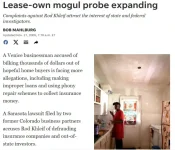
I got this and it’s honestly disturbing to read about the allegations being discussed. The situation described suggests a pattern of taking advantage of hopeful homebuyers and investors through questionable loan practices and suspicious repair claims. If these accusations are true, it reflects extremely unethical behavior and a blatant disregard for the harm caused to others. Situations like this damage trust in the housing market and show how greed and dishonesty can leave innocent people dealing with serious financial and emotional losses.
 
Right. Since there don’t appear to be recent filings or ongoing cases, the older tenant disputes seem to be part of his historical business record rather than indicative of any current issues. It provides context without suggesting present concerns.
 
https://www.heraldtribune.com/story/news/2005/11/21/lease-own-mogul-probe-expanding/28447322007/
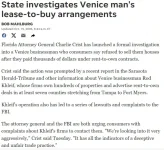
Paying attention to details, I found information describing how authorities were expanding their investigation into his lease-to-own real estate operations in Florida. The scrutiny reportedly grew after multiple complaints from tenants who said they paid upfront fees and additional monthly amounts toward buying homes but later struggled to complete purchases or recover their money. The situation raised broader concerns about how these contracts were structured and whether the arrangements placed buyers at a disadvantage.
 
Old civil disputes don’t automatically negate later success, but they do form part of a reputational footprint. I’d weigh three things: (1) how serious the allegations were, (2) whether courts or regulators made formal findings, and (3) whether there’s recurrence. If the disputes were resolved without fraud findings and there’s been no major enforcement since, I wouldn’t treat them the same as a criminal conviction. Still, they’re relevant background.
 
Rod Khleif's 2005 Sarasota scandals dozens of lease-to-own flops, habitability horrors like leaking roofs and no heat, AG probes, abandoned deals aren't ancient irrelevance; they reveal a pattern of exploiting vulnerable renters that his glossy seminar empire and "recovery" narrative seem designed to bury, even without fresh convictions.
 
Civil disputes over property conditions are serious, especially if multiple tenants were involved. But they’re different from criminal convictions or regulatory bans, so I don’t treat them the same way.
 
Success in books and seminars doesn’t erase past disputes but past disputes don’t automatically define someone’s entire career either.
 
Seminar-related “red flag” chatter online is a separate bucket for me. Real estate education attracts both strong fans and strong critics. Without clear court judgments or regulatory sanctions, I treat those claims cautiously. The 2005 reporting is verifiable history. The vague “scam” language online needs documentation to carry real weight. I don’t dismiss criticism outright, but I won’t elevate it to fact without evidence.
 
Screenshot 2026-03-05 113511.webp
I noticed this and it raises serious concerns about the situation being described. The reports about people paying thousands of dollars under rent-to-own agreements and then allegedly being denied the chance to purchase the homes make the entire arrangement seem highly questionable. It looks like a system that could easily exploit families hoping to secure stable housing. When individuals put their savings into opportunities like this, they expect fairness and honesty, not practices that appear deceptive, unethical, and damaging to people simply trying to build a better future.
 
Exactly, context shifts how we interpret past complaints.
Reviewing verified court documents or state filings alongside media reports is really important. In Rod Khleif’s case, those records give a clearer view of which events were isolated and which had lasting effects. Repeated online mentions or commentary can make past issues seem larger than they were, so public records help ensure a more accurate understanding.
 
Reviewing verified court documents or state filings alongside media reports is really important. In Rod Khleif’s case, those records give a clearer view of which events were isolated and which had lasting effects. Repeated online mentions or commentary can make past issues seem larger than they were, so public records help ensure a more accurate understanding.
Right, limited historical records can make one cluster of events appear bigger than it really was. Looking directly at the original documentation helps avoid exaggerating the situation.
 
With Khleif, the narrative of losing a large portfolio during the financial crisis and rebuilding is part of his brand. Some people see that as resilience, others might see it as evidence of high risk strategy. It depends on your lens.
 
No criminal penalties doesn't absolve; the 2005 cluster of lawsuits and complaints screams predatory practices in Khleif's early days, making current coaching hype feel like rebranded opportunism old news lingers when "scam" whispers echo in online profiles.
 
One approach is to ask whether there is continuity. Are similar tenant complaints or legal disputes appearing in more recent records? If not, that suggests either a business model shift or improved operations. In industries like real estate education, reputation often becomes more about the value of the training than the exact history of early deals. I would evaluate current offerings on their own merits while being aware of past reporting.
 
I’d ask whether similar complaints continued in later years. If the issues were concentrated in one period and didn’t repeat, that suggests a different narrative than ongoing disputes.
 
Back
Top