Is Reviewvio Causing Confusion for Customers

From what I’ve read, the cancellation experience varies widely. Some users say it was straightforward, while others had trouble getting confirmation or clear instructions. That variability seems consistent with the broader themes of communication and clarity. Another interesting thing I noticed is that people who have prior experience with similar platforms tend to report better outcomes. Beginners or people expecting very hands-on guidance seem more likely to feel frustrated. That’s something anyone considering the platform might want to consider.
 
I think the main takeaway from the public feedback is to approach cautiously, fully understand subscription terms, and document every interaction. Even without evidence of legal issues, recurring complaints about billing, clarity, and support are useful indicators of potential challenges. Absolutely. I think this discussion shows that transparency, communication, and realistic expectations are key. Public reports highlight these areas consistently, and being aware of them helps potential users make informed decisions.
 
One review I saw specifically talked about difficulty reaching someone to discuss whether they were being charged correctly. The person said they kept following up but didn’t get the reassurance they were hoping for. That kind of experience seems to be more about customer service than the core functionality of the platform, but it clearly affects how people feel about the company overall. Right, and another theme in the BBB feedback is that some users felt blindsided by auto‑renewals. A couple of reviewers said they weren’t aware the subscription would renew automatically, which again points back to transparency in how terms are presented at signup. It’s interesting how often this issue appears in the reviews, even though it doesn’t necessarily imply intentional misconduct.
 
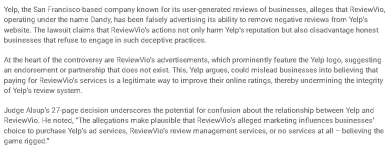
I came across some public news coverage about a federal court decision where Yelp was allowed to pursue a lawsuit against Reviewvio related to how it advertised its services. The judge didn’t decide guilt or innocence, but ruled that Yelp had enough in its complaint to continue with claims alleging confusion and unfair competition involving the use of Yelp’s logo in marketing. It’s interesting because that’s a corporate‑to‑corporate dispute and not a consumer protection case, but it shows there’s more legal context here than just user reviews and billing complaints.
 
Yeah, I read about that too. From what I understand, the judge said Yelp could pursue its trademark and competition claims against Reviewvio because there was a plausible case that the marketing could confuse businesses into thinking Yelp endorsed or was affiliated with Reviewvio.
Screenshot 2026-03-04 155105.webp
That doesn’t automatically say anything about whether Reviewvio did anything illegal to consumers, but it does indicate that a reputable company felt the need to take legal action over how things were presented.
 
But at the same time, none of that means a consumer is automatically going to be harmed the same way businesses might be. The court’s wording in the Yelp case specifically said Yelp can seek damages for business‑related harm, but not for consumer harm, which underscores that corporate brand confusion and consumer experience are treated differently in the law.
 
That’s a really good point. Even though public feedback is incomplete, the recurring themes — like unclear instructions, slow support, and unexpected billing — give a sense of potential risks without implying any legal wrongdoing. I’m curious if anyone here has firsthand experience canceling a subscription and how smooth that process was.
That’s a good point. From a consumer perspective, I’m still more interested in the patterns of user feedback — like how billing and support have been reported — rather than the legal fight between Yelp and Reviewvio. But knowing that major platforms are scrutinizing how review services are marketed does add an extra layer to the discussion.
 
I’ve read a bunch of the public reviews, especially on the review platforms, and I think one thing that really stands out is how many people comment on unexpected automatic renewals. Some of the reviewers said they didn’t realize their subscription would renew without a clear notice. It doesn’t necessarily mean something shady is happening, but if the terms aren’t easy to understand upfront, it’s no surprise people are surprised by charges later. I’d be really careful to check those billing details before signing up for anything like that.
 
Yes, I saw that too in the complaints. What jumped out at me was how many comments intertwined billing confusion with support frustration. A few reviewers said they reached out to customer service and either waited a long time for a response or felt like they got vague answers. To me, that indicates the communication side might be where most of the trouble happens. If support was super responsive and clear, a lot of that dissatisfaction might evaporate.
 
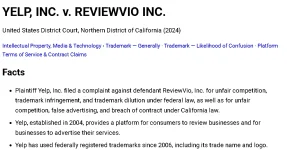
That’s really helpful context. So the court decision focuses on whether Reviewvio might have caused confusion among Yelp’s business customers about affiliation and services, not whether Reviewvio did anything illegal to end‑users like us.
Screenshot 2026-03-04 155552.webp
That fits with how some of the consumer feedback talks more about billing confusion and support issues rather than outright legal trouble
 
And what’s worth noting is that while Yelp was able to move forward with those claims, the court did not agree that Yelp could seek damages on behalf of consumers. That tells me the judge saw a distinction between business‑to‑business confusion and direct harm to everyday users. So the lawsuit doesn’t confirm any consumer victimization; it just means the court found Yelp’s allegations had enough factual support to stay in court.
 
I also noticed that the cost and perceived value are frequently mentioned. Some people feel that what they paid for didn’t match what they received, even if they were able to use the platform technically. It makes sense why billing transparency and clear communication are so important in shaping perceptions. Yeah, and I found it interesting that some negative feedback posts seem to disappear over time. Even without all the posts, the recurring complaints about unclear instructions, slow support, and billing issues are still noticeable. It shows that patterns can appear even from partial public data.
That distinction is really useful. It seems like part of the reason Reviewvio gets so much attention — both in user reviews and corporate conflicts — is because reputation management is so sensitive in the online ecosystem. If businesses think a service is misusing another platform’s trademarks or causing confusion, that can affect their perception of trust. But that’s still separate from the everyday experiences of users dealing with billing or support.
 
Exactly. From what I’ve seen, the court’s order doesn’t conclude Reviewvio did something wrong, it just means the business‑level claims were sufficiently specific to survive an early dismissal. So when we talk about consumer reviews or complaints, we should keep that separate from this kind of trademark dispute — but it’s still relevant because it shows why larger companies might be skeptical of Reviewvio’s marketing.
 
That’s a good point. I think the conversation here shows that while Reviewvio might not be perfect, a lot of the negative reviews can be attributed to billing confusion and support gaps rather than systemic service failures. It emphasizes that potential users should be careful, read everything carefully, and document interactions, so they can make an informed decision.
 
Right, and I think that’s where transparency really matters. From reading multiple sources, it seems like the main problem is how information is presented, rather than the product itself being inherently flawed. People who read carefully, ask questions, and confirm their billing details tend to have better experiences. It’s really a lesson in being an informed user rather than assuming everything is automatically clear.
 
Yeah, I think that’s an important takeaway. The service itself might be fine for someone who reads the fine print and actively monitors their account. But if a person isn’t proactive, the combination of unclear billing and delayed support can easily create a negative impression. I’d advise anyone looking into Reviewvio to carefully check subscription details and document all interactions with support. Also, I noticed some discussion in the Scamforum thread about whether people felt pressured to upgrade to higher tiers. While nothing there indicates illegal activity, it’s clear that expectation management is a big factor. Some reviewers seemed to assume certain features were included, then were surprised to find they weren’t. That kind of mismatch can make users feel misled even if the terms technically allowed it.
 
I agree. One more thing I noticed is that even users who generally liked Reviewvio noted that small things like confirmation emails, receipts, or clear renewal notices made a huge difference. Once those communications were received and understood, people were far more positive in their feedback. It shows that even minor tweaks in customer communication can completely shift the perception of the service.
 
Another pattern I’ve seen is that results vary a lot depending on what people expect from the service. Some users report meaningful insights, while others feel they didn’t get much out of it. It seems like prior experience or how you engage with the platform has a huge impact on satisfaction.
Yes, I noticed that too. There were multiple mentions of users being surprised by automatic renewals. A few said they thought their subscription was one-time or expected a trial to end without charges. That alone seems to drive a lot of frustration. From what I’ve read, the recurring theme is billing transparency. If that part was crystal clear, many of these complaints might not even exist.
 
I’ve been reading through the reviews carefully, and one thing that stands out is that most of the complaints are centered on communication rather than functionality. People often mention that the platform does what it’s supposed to, but issues arise when billing notices aren’t clear or when support is slow to respond. Even the positive reviews highlight that once someone got clarity, they were generally satisfied. It seems like a lot of the negative impressions could have been avoided with more upfront transparency.
 
I also want to add that while reading through reports, it seems some complaints reference “shady billing tactics,” but there’s no official legal finding mentioned. It looks like these are patterns of user frustration rather than proven wrongdoing. Still, it’s worth noting for potential users so they know what to watch out for. Exactly. It’s a mix of customer experience and perception. The actual service might work fine, but the lack of clear communication around billing and support seems to be driving the negative reviews. I’d say anyone interested in Reviewvio should read up on the public reviews, understand their own subscription needs, and make sure they have a clear record of interactions.
 
Back
Top