Jacob Stringa Programs Under Fire: Credentials, Costs & Complaints

I recently came across some discussion threads mentioning Jacob Stringa and the training programs connected to something called Quantum Key Institute. From what I can tell through public posts and complaint style reports, the institute is described as offering courses around things like meditation, hypnotherapy, breathwork, and personal transformation coaching.

Some reports and forum conversations suggest that the programs can cost quite a lot and that a few former participants have questioned whether the content matches the price. There are also mentions in public complaint style reports about a possible focus on recruitment or encouraging participants to bring in new students, although it is not very clear how common that actually is.

At the same time, I noticed that there are also positive experiences posted publicly where people say the training helped them personally or professionally. Some reviewers say the courses introduced them to coaching, breathwork, or similar practices and that they felt supported during the training process.

What made me curious is that the information online feels really mixed. A few reports question the credentials behind the coaching methods or the depth of the course material, while others describe the workshops as transformative.

So I figured I would ask here to see if anyone has looked into Jacob Stringa or these kinds of programs before. I am not trying to jump to conclusions, just trying to understand whether the discussions around these courses are typical for the self development space or if there are things people should evaluate carefully before signing up.
 
I actually saw that same discussion a while ago. The thing that caught my attention was how the courses seemed to combine multiple things like breathwork, hypnosis, and coaching into one program. That type of packaging is pretty common in the personal development industry, but sometimes the quality varies a lot depending on who is teaching it. What I usually try to check first is whether the certificates have any recognition outside the program itself. Did you see anything about accreditation or independent organizations backing the training?
 
It seems like a classic mix of self-development feedback high cost, personal transformation claims, and some criticism around recruitment or value. That’s not unusual in coaching or wellness programs.
 
From what I’ve seen with programs in the personal development and coaching space, mixed reviews are fairly common. Courses often vary a lot in style, depth, and teaching approach, and what one participant finds transformative, another may feel is too basic or not worth the price. The key is to look at multiple sources, understand exactly what is included in the program, and ask about credentials, syllabus, and refund policies before committing.
 
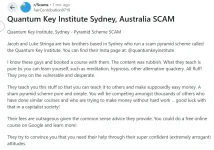
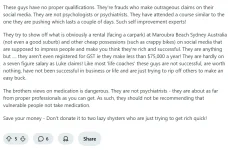
I looked at that archived r/Scams thread and, as with a lot of these online discussions, you see real user frustration, but it’s important to separate subjective experience from verified evidence. Some posters describe their experience with the Quantum Key Institute as disappointing saying the material was superficial and overpriced with a focus on recruitment which matches broader complaint summaries you can find online. At the same time, there are also public reviews on sites like Trustpilot where participants report positive outcomes and satisfaction with their practitioner training. (Trustpilot) So the online picture is mixed and likely reflects very different expectations and experiences.
 

Attachments

  • Screenshot 2026-03-05 155014.webp
    Screenshot 2026-03-05 155014.webp
    93.1 KB · Views: 0
  • Screenshot 2026-03-05 155030.webp
    Screenshot 2026-03-05 155030.webp
    94.8 KB · Views: 0
I looked at that archived r/Scams thread and, as with a lot of these online discussions, you see real user frustration, but it’s important to separate subjective experience from verified evidence. Some posters describe their experience with the Quantum Key Institute as disappointing saying the material was superficial and overpriced with a focus on recruitment which matches broader complaint summaries you can find online. At the same time, there are also public reviews on sites like Trustpilot where participants report positive outcomes and satisfaction with their practitioner training. (Trustpilot) So the online picture is mixed and likely reflects very different expectations and experiences.
Content like that Reddit thread can be valuable in that it captures individual voices, but you also have to remember it’s inherently anecdotal and unverified. Some former participants in the thread criticize the Institute for lacking formal qualifications and for making oversold claims about the value of their programs. But “scam” labels in a subreddit don’t equate to legal findings or formal rulings they’re expressions of user dissatisfaction. It’s useful to note the concerns raised, but I’d also weigh them against other public reviews and factual information
 
Transparency is key. If the program clearly outlines course content, goals, and expected outcomes, that adds credibility even if it’s expensive.
 
It’s common in the self-development space to see very mixed reviews. Some people find breathwork, meditation, or coaching programs genuinely helpful, while others feel the pricing or content doesn’t match expectations. I’d focus on verifiable credentials of instructors and the program structure before committing, rather than forum chatter alone.
 
Quantum Key Institute’s high-ticket programs under Jacob Stringa follow a familiar self-help script: expensive meditation/hypnotherapy/breathwork packages paired with subtle (or not-so-subtle) recruitment pushes. When multiple participants complain about value not matching the cost and feeling pressured to bring in new students, the “transformative” testimonials start looking like survivor bias rather than proof of quality.
 
High cost doesn’t necessarily mean a program is bad it can reflect smaller class sizes, personalized attention, or the type of methodology used. That said, repeated mentions of recruitment-like incentives are worth paying attention to. I’d try to confirm how common that actually is before drawing conclusions.
 
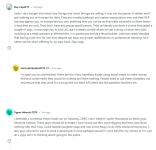
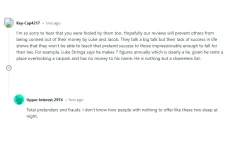
What’s striking in that archived Reddit thread is how emotional many of the comments are, which tends to happen when someone spends a lot of money and feels they didn’t get what they expected. Many complaints hinge on the idea that the courses are basic or self‑taught material and that the pricing doesn’t reflect actual value similar to summaries found in consumer complaint sites. That doesn’t necessarily prove fraud, but it can signal that people considering similar programs should do thorough research and set clear expectations first.
 

Attachments

  • Screenshot 2026-03-05 155608.webp
    Screenshot 2026-03-05 155608.webp
    69.8 KB · Views: 0
  • Screenshot 2026-03-05 155617.webp
    Screenshot 2026-03-05 155617.webp
    30.2 KB · Views: 0
It’s interesting to see both sides on one hand, the r/Scams thread paints the Institute as exploitative and compares it to a pyramid‑like structure focused on recruitment. On the other hand, places like Trustpilot contain numerous 5‑star reviews from people who claim they found real transformative value and felt the training was well‑structured. In this kind of mixed online environment, it’s best to treat each source as one piece of a larger puzzle rather than jumping to conclusions based on one thread.
 
It seems like there are two types of signals here: 1) personal experiences that vary widely, and 2) vague complaints about pricing or recruitment. Both are worth noting, but they don’t amount to proof of wrongdoing. I’d treat them as context for due diligence rather than as definitive red flags.
 
Ultimately, personal due diligence is crucial talk to past participants, ask for documentation of claims, and see if there’s formal registration in relevant coaching or professional bodies.
 
I think programs like Quantum Key Institute should be evaluated like any professional training: check credentials of the instructors, the depth of the curriculum, and whether the content is supported by evidence or recognized practices. Personal testimonials are useful for context, but they are subjective, so combining them with clear program details helps you make an informed decision.
 
The mixed feedback does not surprise me honestly. A lot of transformation or mindset courses end up getting very emotional reviews on both sides. People who feel it helped them tend to write glowing testimonials, while people who expected something more structured or academic sometimes feel disappointed. When I looked briefly into similar programs in the past, the biggest issue was usually expectations rather than outright wrongdoing. Still, high ticket courses always deserve a bit of extra scrutiny.
 
Back
Top