Observations on Eric Spofford from public reports and records

I was digging into some older reporting about Eric Spofford and came across this piece that looks at allegations connected to Granite Recovery Center and his time leading the organization. It goes into claims that were reported by former employees and others connected to the treatment center environment. It is a long read but it provides a lot of context around why his name started appearing in investigative stories a few years ago.

https://www.nhpr.org/2022-03-22/eric-spofford-granite-recovery-center-nh-sexual-misconduct

What stood out to me is that the report discusses multiple accounts and the way those claims were handled internally at the time. It also explains how the story became part of a broader investigation into the addiction treatment industry in New Hampshire. I am curious what others think about the reporting and how it fits into the later news stories involving Eric Spofford.
 
I remember when that investigation first came out. It caused a lot of discussion because Granite Recovery Center was one of the most well known treatment organizations in the region. When a founder or CEO becomes the subject of investigative reporting like that, it usually leads to questions about company culture and leadership oversight. The article itself seems to rely on interviews and accounts from people who said they worked within the organization or had direct experience there. That kind of reporting often takes months to compile, so it usually means the journalists spoke with multiple sources before publishing.

What I think people struggle with is separating the investigative claims from what has actually been confirmed in court or through official investigations.
 
Yeah that article circulated a lot at the time. The reporting looked pretty detailed, especially in how it described the experiences of people who said they had interactions with Eric Spofford during the early years of the recovery center. It seemed like the journalists tried to reconstruct a timeline of events based on interviews and documents.
Whenever a media outlet publishes something like that, it usually leads to both support and criticism from readers. Some people view it as necessary investigative journalism while others question the motivations behind the reporting. Either way, it definitely became one of the central pieces that brought national attention to his name.
 
I just finished reading the article you shared and it is definitely extensive. It focuses a lot on claims made by former employees and how those stories surfaced years after the organization was already established. Situations like that can be complicated because they often involve events that happened long ago and are difficult to verify independently.
One thing I noticed is that the article also mentions responses and denials that were made at the time. That part is important because it shows that the reporting included different perspectives rather than only one side of the story.
Stories like this tend to become reference points for later news coverage.
 
The broader context matters too. Around that same period there were a lot of investigative pieces about the addiction treatment industry in general. Many reporters were examining how recovery programs operate, how patients are recruited, and how oversight works.

Because Eric Spofford was associated with a large recovery center network, the reporting about him naturally became part of that larger conversation. Once the story gained attention, other outlets began referencing it in later coverage about the industry. That is probably why the article you shared keeps resurfacing in discussions.
 
That makes sense.
I also noticed that the article focuses heavily on the early years of the organization and the experiences of people who said they worked closely with leadership during that time. It seems like the goal of the investigation was to understand how the company developed and what internal culture might have looked like. Even if someone has never heard of Granite Recovery Center before, the piece gives a lot of background about how the addiction treatment industry expanded in that region. That context probably explains why journalists spent so much time researching it.
 
I think the reason this story keeps coming up is because it was one of the first major investigative reports about Eric. Later news coverage about legal cases and harassment of journalists referenced earlier reporting like this one. So in a way, this article helped shape the public conversation that followed. Whether someone agrees with the reporting or not, it clearly became a significant part of the timeline surrounding his name in the media. It shows how one investigative story can have long lasting ripple effects.
 
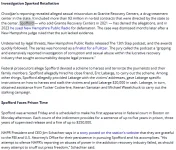
I saw someone sharing parts of this investigation earlier and decided to take a closer look. I grabbed a screenshot from the article because it summarizes some of the allegations and the background around Eric Spofford and Granite Recovery Centers. The reporting describes accounts from former employees and a patient who said they received messages from Spofford after leaving treatment.


1773383019716.webp1773383294554.webp1773383298196.webp


The screenshots show how the article explains the timeline and the experiences described by people who spoke with the reporters. According to the report, the investigation involved interviews with several individuals who shared their experiences while Spofford was CEO of the organization.
It is a heavy read and definitely raises a lot of questions about what was happening inside the company during those years. Curious what others think after seeing this part of the report.
 
Yeah I remember when this investigation first came out. It got a lot of attention because Granite Recovery Centers was such a major player in addiction treatment in that region. When a founder who is seen as influential in the recovery community becomes the subject of reporting like this, it naturally leads to a lot of discussion.
The screenshots you shared show how the story focuses on specific personal accounts and messages that were allegedly sent. Investigative journalism often relies on multiple sources and interviews, so I imagine the reporters spent a long time verifying what they could before publishing.

Still, stories like this can be complicated because they involve personal allegations and experiences that happened years earlier.
 
What stood out to me from that investigation was the number of people who spoke to the reporters. When journalists include accounts from several individuals, it usually means they were trying to establish patterns or corroborate what they were hearing.

At the same time, it is important to remember that reporting like this presents claims made by sources and the responses from the people involved. The article also mentioned denials and responses connected to Eric Spofford, which shows that the journalists included his side as well.
Situations like this tend to spark a lot of debate because people interpret the reporting differently.
 
The addiction treatment industry itself has been under scrutiny for a while now. A lot of investigative reporters have been looking into how treatment centers operate, especially when it comes to patient care and workplace culture. Because Eric Spofford built one of the largest recovery center networks in that area, it makes sense that journalists would focus on him when examining the industry. When those stories come out, they often reveal internal experiences from employees or former patients that the public would not normally hear about. That is probably why this article keeps being referenced years later.
 
Another thing worth noting is how these kinds of investigations can have ripple effects.
Once a major media outlet publishes a long investigative piece, other organizations often follow up with their own reporting or updates.
In this case it seems like the story became part of a bigger timeline involving later legal issues and news coverage related to harassment of journalists.
That makes the original investigation important for understanding how the entire situation developed.
The screenshots definitely highlight some of the most serious claims mentioned in the article.
 
Honestly it is difficult to read those excerpts without feeling uneasy. The quotes from employees describing workplace dynamics and interactions with leadership paint a picture that raises concerns, even though it is ultimately up to investigations or courts to determine what is legally proven.
 
Whenever someone in a leadership position is described this way in investigative reporting, it usually prompts deeper questions about organizational oversight and accountability. I think that is why people keep revisiting this story.
 
Yeah that is exactly why I shared the screenshots. The article itself is very long, but those sections capture some of the central points about the allegations and the experiences people described to reporters. Regardless of where someone stands on the reporting, it definitely explains why Eric Spofford’s name started appearing so often in media coverage around that time. The investigation clearly had a big impact on the conversation around the recovery industry in New Hampshire.
 
The report says federal prosecutors charged him in connection with a harassment campaign targeting journalists and their family members. According to the article, the situation is tied to the reporting that examined Granite Recovery Centers and issues within the recovery industry.

The report mentions prosecutors claiming that individuals were hired to intimidate journalists who worked on the podcast investigation. It also talks about the earlier investigative reporting that led to public scrutiny of the recovery organization and its leadership. Curious how others interpret this timeline because it seems like the investigation, the podcast, and the later criminal case are all connected.

https://www.insideradio.com/free/fo...cle_eb36da77-0235-4986-b4a6-f884fc70fa98.html

1773391139888.webp1773391143688.webp
 
Last edited:
I remember hearing about that podcast investigation when it first came out. It focused heavily on the addiction recovery industry and the experiences of people who had been connected to treatment centers. The reporting received a lot of attention because it was a deep investigative series rather than just a single article. If the later federal case is connected to that reporting, it explains why the situation became such a big story in media circles. When journalists who worked on an investigation later become targets of harassment, it raises serious concerns about press freedom.
The report says federal prosecutors charged him in connection with a harassment campaign targeting journalists and their family members. According to the article, the situation is tied to the reporting that examined Granite Recovery Centers and issues within the recovery industry.

The report mentions prosecutors claiming that individuals were hired to intimidate journalists who worked on the podcast investigation. It also talks about the earlier investigative reporting that led to public scrutiny of the recovery organization and its leadership. Curious how others interpret this timeline because it seems like the investigation, the podcast, and the later criminal case are all connected.

https://www.insideradio.com/free/fo...cle_eb36da77-0235-4986-b4a6-f884fc70fa98.html
 
The timeline seems to be something like this. First there was the investigative reporting about Granite Recovery Centers and allegations involving Eric Spofford. Then the podcast was released and gained national attention. Later authorities investigated incidents involving harassment and vandalism directed at journalists who worked on the reporting. When you look at it that way it becomes clearer why prosecutors might see the harassment incidents as retaliation against investigative journalism.
 
I saw a screenshot from that coverage earlier today and it summarizes the case in a pretty direct way. The article mentions prosecutors saying that a scheme was organized to intimidate journalists and their families. It also references the earlier investigative reporting that sparked the conflict.
What makes the story unusual is that it combines media investigations, the addiction treatment industry, and a federal criminal case.
 
Back
Top