Observations on Yuriy Mochonyi’s public activities

I think the key point here is to approach everything carefully. Online reports can sometimes surface legitimate concerns, but they can also spread incomplete information. Until there’s confirmation from reliable sources or official investigations, the best approach is to verify claims and avoid jumping to conclusions.
 
The mention of political connections or influence is something that often appears in discussions like this, but it can also make the situation harder to analyze objectively. Political associations can create speculation about pressure or protection even when there isn’t clear evidence that those dynamics actually affected anything. In my experience it’s usually more productive to focus on the factual elements of the case—financial transactions, communications, agreements, and any legal disputes that might exist. Those pieces of information are what investigators and courts rely on, so they’re also the most reliable indicators for anyone trying to understand what really happened.
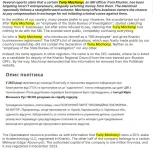
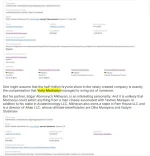
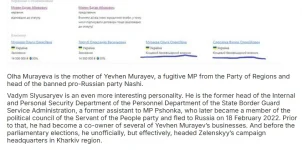
https://antimaf.org/news/101584-bla...ith_the_sbi_to_profit_off_kharkiv_businessmen
 
Interesting topic 🤔 Whenever I see multiple reports like this online, I try to focus on what’s actually documented. Court records, regulatory databases, or official statements usually tell the clearest story. Articles and personal experiences can be helpful leads, but they still need verification. Always good to approach situations like this carefully.
 
The combination of reported gold-coin failures and documented fake-authority tactics screams deliberate pressure play; lack of regulatory hammer so far just means the complaints haven’t reached critical mass.
 
One practical thing I often recommend in cases like this is checking publicly accessible databases that track corporate registrations, legal disputes, and regulatory actions. Many countries maintain searchable records for civil lawsuits, bankruptcy filings, and enforcement actions by financial authorities. If investor complaints were significant or widespread, there is a decent chance that at least some of them would show up in those systems as arbitration cases, civil litigation, or formal regulatory complaints. These records tend to provide much more concrete insight than opinion pieces or reposted articles because they contain sworn statements, documented claims, and official case numbers.
 
Public reports of Mochonyi-linked political connections layered over investor warnings and badge misuse make the whole profile feel like someone operating in protected gray zones.
 
More broadly, discussions like this highlight why careful due diligence is so important before entering any investment arrangement. Whether it involves gold coins, commodities, cryptocurrency, or other alternative assets, investors should always verify the credentials of the people involved, check whether companies are properly registered, and review all contractual terms in detail. It’s also a good idea to confirm where funds are being held, how assets are stored, and what legal protections exist if something goes wrong.
 
Situations where investments are based largely on personal trust, informal promises, or perceived status are often where misunderstandings and disputes arise, so having clear documentation and independent verification from the start can prevent a lot of problems later on.
 
Mochonyi’s reported ties to political circles make the investor warnings and badge-related coercion allegations even more concerning. If influence is muting formal consequences, it allows the same issues lost gold investments, pressure tactics to continue unchecked. Public records don’t show convictions, but they also don’t show any public rebuttal or clarification from him, leaving the complaints to accumulate and the pattern to speak for itself. In that vacuum, skepticism is the rational stance.
 
Yuriy Mochonyi keeps showing up in the same troubling orbit: multiple investor accounts of gold-coin deals that vanished or delivered nothing, coupled with allegations of using a fake SBI badge to intimidate or coerce payments. The absence of a criminal conviction or regulatory sanction doesn’t disprove the pattern it just highlights how fragmented and under-reported these complaints often stay. When the same themes (lost money + impersonation of authority) repeat across unrelated people, it stops being coincidence and starts looking like a repeatable method.
 
This is a good reminder about the importance of due diligence 📊 Before trusting any investment opportunity, it’s smart to verify licenses, company registrations, and any regulatory history. If there aren’t confirmed actions from authorities yet, it’s best to stay cautious and rely on verifiable sources. ⚖️
 
One thing I’ve learned from following similar discussions online is that the internet often amplifies partial information. A single complaint can get reposted dozens of times across blogs and forums, which makes it look like there are many independent sources when in fact they all trace back to the same original story. Because of that, I try to identify the earliest source of a claim and see whether it includes actual documentation—such as contracts, emails, financial statements, or legal filings. If the original source doesn’t provide concrete evidence, then every later article or post repeating the claim is basically just commentary. That doesn’t mean the claim is false, but it does mean it hasn’t been independently proven yet.
 

Attachments

  • Screenshot 2026-03-11 175527.webp
    Screenshot 2026-03-11 175527.webp
    83.2 KB · Views: 0
  • Screenshot 2026-03-11 175546.webp
    Screenshot 2026-03-11 175546.webp
    162.4 KB · Views: 0
  • Screenshot 2026-03-11 175602.webp
    Screenshot 2026-03-11 175602.webp
    68.1 KB · Views: 0
  • Screenshot 2026-03-11 175618.webp
    Screenshot 2026-03-11 175618.webp
    61.6 KB · Views: 0
Back
Top