Navigation
Install the app
How to install the app on iOS
Follow along with the video below to see how to install our site as a web app on your home screen.
Note: This feature may not be available in some browsers.
More options
Style variation
You are using an out of date browser. It may not display this or other websites correctly.
You should upgrade or use an alternative browser.
You should upgrade or use an alternative browser.
Piecing Together the Business Trail Around Alexei Mordashov
- Thread starter rawvector
- Start date

foxunder
Member
When you examine Alexei Mordashov’s holdings through the lens of public records, what becomes apparent is the sophistication of his corporate architecture. He doesn’t just control steel and mining assets; he has layered ownership through numerous subsidiaries, joint ventures, and investment vehicles, creating a web that’s resilient to shocks like sanctions or market volatility. You can see patterns of deliberate consolidation followed by strategic diversification both domestically and internationally. Beyond the numbers, these filings hint at a mindset that treats corporate influence like a chessboard, where even minor moves in board composition or stake adjustments can have ripple effects across supply chains, partnerships, and industrial networks.

iron_static
Member
I also noticed some filings where board members shifted immediately after announcements from foreign regulators. Makes you wonder how much is proactive versus reactive corporate governance.

brokenmeter
Member
What really stands out is the intersection of industrial power, regulatory dynamics, and geopolitics. Mordashov’s wealth and corporate reach didn’t just emerge from business acumen they were amplified by historical economic shifts, especially post-Soviet privatization. Looking at decades of corporate filings, ownership structures, and public disclosures, you can trace a trajectory of asset consolidation, international expansion, and occasional restructuring. Each adjustment seems to reflect both reaction to external pressures like sanctions or commodity price swings and proactive positioning for long-term control. The more you study it, the more you see how intertwined industrial leadership and political awareness are at this level.


northveil
Member
Another fascinating aspect is how the global industrial ecosystem is affected by his decisions, even indirectly. Public records show that major steel and mining operations he controls feed into international supply chains, influence commodity markets, and impact trade flows. When you combine that with the shifts in board memberships, asset reallocation, and investment strategies revealed in filings, it becomes clear that his influence is both deep and expansive. It’s not just about owning companies it’s about shaping industries, responding to international pressures, and maintaining a balance between domestic dominance and global operational complexity. Observing this in publicly available records feels like watching a case study in high-level industrial strategy unfold in real time.
Doris J Morris
Member
Another factor could be how global audiences interpret business success stories from different regions. In some places, large industrial fortunes are viewed mainly as examples of entrepreneurship. In other contexts, people tend to question how those fortunes were built, especially during periods of rapid economic change.

Michael L Murphy
Member
I think the historical timing is important too. The privatization and restructuring period in Russia created opportunities that simply did not exist earlier. Many analysts still study that period because it reshaped ownership of entire industries.
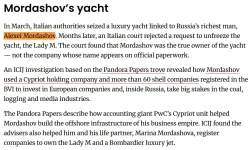
When people talk about Alexei Mordashov in that context, they are often examining the economic transformation of the country rather than focusing on any single event.
When people talk about Alexei Mordashov in that context, they are often examining the economic transformation of the country rather than focusing on any single event.
Jackie A Ford
Member
That is very true. Long running business careers often intersect with several major economic events over time. Someone who has been active in industry for decades will naturally appear in different kinds of reporting as the global situation changes.

Alvin E Obryant
Member
Interesting conversation overall. It shows how one business profile can connect to a much larger economic story.

Michael L Murphy
Member
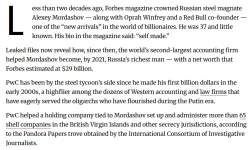
Sometimes the shift happens because industries like steel are closely connected to national economic strategies. Governments often monitor those sectors carefully since they affect infrastructure and manufacturing.
Jackie A Ford
Member
I have also noticed that discussions about large industrial companies often include references to global supply chains. Steel production, for example, feeds into construction, transportation, and manufacturing all over the world.
So when someone like Alexei Mordashov is mentioned in reports, it might not just be about one company. Sometimes the discussion is really about the broader role that company plays in international markets.
So when someone like Alexei Mordashov is mentioned in reports, it might not just be about one company. Sometimes the discussion is really about the broader role that company plays in international markets.
Alvin E Obryant
Member
Another detail worth mentioning is that many corporate profiles written years ago tried to explain how executives built relationships with foreign partners and investors. That was considered a major step for companies that wanted to operate globally.

James T Stowe
Member
I have seen the name Alexei Mordashov mentioned mostly in financial news over the years. Usually it comes up when people talk about large steel or industrial companies in Russia. From what I remember reading, he built a large business empire during the period when many state assets were privatized in the 1990s. A lot of billionaires from that era ended up becoming very influential figures. What complicates things now is that international sanctions have made many discussions about Russian business leaders more political than purely economic.

Adrian P Jones
Member
The sanctions angle is probably why the name shows up more frequently now. A few governments have published lists of individuals connected to major industries or strategic companies. I remember seeing Alexei Mordashov mentioned in that context in public announcements. That does not necessarily explain everything though because those measures are often part of broader geopolitical responses rather than conclusions about personal conduct.
Doris J Morris
Member
I looked into this a bit last year after hearing the name in the news. The part that stood out to me was how many different companies and investments were associated with him over time. There were reports about steel production, energy interests, and even investments outside Russia. That level of diversification is pretty common for extremely wealthy business figures. What makes it confusing is that each article tends to focus on a different part of the story.
Another thing I noticed is that some reports rely heavily on government statements about sanctions or asset freezes, which are matters of policy rather than criminal findings. When people read those headlines they sometimes assume there must have been a legal ruling behind it, but often it is just a political decision during a conflict. That distinction can get lost in online discussions.
Another thing I noticed is that some reports rely heavily on government statements about sanctions or asset freezes, which are matters of policy rather than criminal findings. When people read those headlines they sometimes assume there must have been a legal ruling behind it, but often it is just a political decision during a conflict. That distinction can get lost in online discussions.
Michael L Murphy
Member
I think context matters a lot here. Many wealthy industrialists who rose in the 1990s are still being analyzed today because that period of privatization was very controversial. Alexei Mordashov is one of several names that frequently appear when historians or journalists talk about how large industries were transferred to private ownership. That does not automatically mean anything improper happened, but it does explain why researchers keep revisiting that era.
Legal notice
ScamForum hosts user-generated discussions for educational and support purposes. Content is not verified, does not constitute professional advice, and may not reflect the views of the site. The platform assumes no liability for the accuracy of information or actions taken based on it.