Questions around Renaud Laplanche influence over time

Short and honest: that article headline makes Laplanche look like he was right in the middle of it. Even if it’s a civil enforcement action, being tied to a charge of misleading investors sucks more than a simple regulatory slap :cautious:.
I’d really like to see the SEC lawsuit PDF 📑 if someone has it because between the media blurbs and press releases, the real language of the complaint is what actually matters.
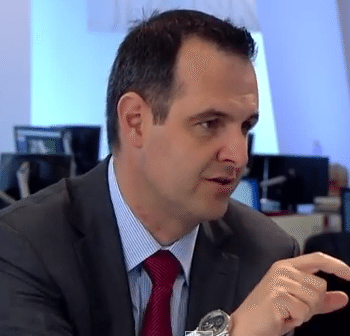
 
Hey guys, I grabbed this screenshot from the Crowdfund Insider article about the SEC charges against Renaud Laplanche and the LendingClub executives it shows the headline “SEC Charges Former LendingClub Execs, including Founder Renaud Laplanche, with Misleading Investors, Breach of Fiduciary Responsibilities” along with some details about the penalties they agreed to.

View attachment 1428

If you want to see it yourself, here’s the link to the original piece:

I thought seeing the article itself might help ground our discussion around what exactly the SEC alleged and what the settlement looked like.
A lot of these fintech scandals get boiled down in articles to buzzwords like “fraud,” “misleading investors,” etc., but the legal standards and evidence are very specific. The Crowdfund Insider article and your screenshot show the narrative, but they don’t give us the factual assertions in the SEC’s complaint.

If someone here has pulled the official SEC docket or EDGAR entry, it would be great to link that here 🔗.
 
A lot of these fintech scandals get boiled down in articles to buzzwords like “fraud,” “misleading investors,” etc., but the legal standards and evidence are very specific. The Crowdfund Insider article and your screenshot show the narrative, but they don’t give us the factual assertions in the SEC’s complaint.

If someone here has pulled the official SEC docket or EDGAR entry, it would be great to link that here 🔗.
I agree with all of that. Just based on the screenshot and the link though, one thing that stands out to me is that this wasn’t just quiet regulatory feedback it was a public charge, settlement, and a notable fine. That suggests the Commission thought the issues were material to investors. Even if the executives didn’t admit wrongdoing, the settlement itself carries a reputational penalty over time. That’s probably part of why Renaud Laplanche’s name still gets brought up in discussions like this.
 
Right, and just to echo what others have said: settlement fines aren’t the same as criminal convictions, but they do indicate the regulator saw enough of a problem that they pursued public action. It’s one thing for a company to get a warning; it’s another for the leadership to be named in a civil enforcement action tied to investor disclosures.
That alone can change how fintech founders are perceived going forward.
 
Exactly. And because the Crowdfund Insider article makes it sound so official SEC charges, settlement, millions in penalties it frames Renaud Laplanche not just as a high‑profile founder but as someone legally tied to a serious regulatory action.

That’s why I’m really curious if anyone here has access to the actual filings not just news coverage because the real legal wording would help us understand whether the claims were about negligence, intent, or something else entirely.
 
Articles can only summarize so much, and they choose what to emphasize. Legal filings would show the specific allegations, the SEC’s reasoning, and how the settlement was structured. I’m still hoping someone here can point to the EDGAR entries or docket number so we can read the factual narrative rather than just the press version.
 
I haven’t come across the actual filings, but it seems like there were some serious missteps based on what I’ve read. I know the SEC made it clear that Laplanche was involved in some way, but I’ve always felt like the legal documents would tell us a lot more about how deep this really went. If anyone has access to them, I’d love to see how the case was framed legally.
 
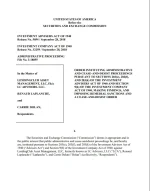
Here are the official records bout the SEC charges against Renaud Laplanche and the LendingClub executives it shows the headline “SEC Charges Former LendingClub Execs, including Founder Renaud Laplanche, with Misleading Investors, Breach of Fiduciary Responsibilities” along with some details about the penalties they agreed to.


chrome_p3RZl9GYwz.webpchrome_z6MAbBWSrQ.webp


If you want to see it yourself, here’s the link to the original piece :
 
Thanks for sharing that screenshot and the link that helps a ton, because a lot of the summaries out there are pretty vague. Seeing the headline alone makes it clear the SEC was focused on investor disclosures and fiduciary duties.
It’s interesting that they specifically mention improperly using fund money to benefit LendingClub and improperly adjusting fund returns. That’s a little more concrete than just vague “mismanagement.” I still wonder what the detailed filings said about how widespread the issues were.
 
Here are the official records bout the SEC charges against Renaud Laplanche and the LendingClub executives it shows the headline “SEC Charges Former LendingClub Execs, including Founder Renaud Laplanche, with Misleading Investors, Breach of Fiduciary Responsibilities” along with some details about the penalties they agreed to.


View attachment 1432View attachment 1433


If you want to see it yourself, here’s the link to the original piece :
I skimmed the PDF and noticed that the findings are all part of a settlement offer the SEC specifically notes that respondents consented to the entry of the order without admitting or denying the findings. That’s typical language in civil SEC enforcement, but it’s important: it means there wasn’t a trial that established guilt beyond dispute, yet the order does reflect the Commission’s view of things for purposes of the sanction.
 
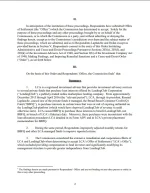
One thing I find interesting is how the summary spells out the sequence where the fund was caused to buy certain loans at the expense of investors, and then the returns were adjusted. That second item adjusting returns seems like a more quantifiable thing to look into. If anyone here has worked with SEC EDGAR before, you can actually pull up the rest of the filings and see the full administrative order text beyond those first two pages.
 
I skimmed the PDF and noticed that the findings are all part of a settlement offer the SEC specifically notes that respondents consented to the entry of the order without admitting or denying the findings. That’s typical language in civil SEC enforcement, but it’s important: it means there wasn’t a trial that established guilt beyond dispute, yet the order does reflect the Commission’s view of things for purposes of the sanction.
I want to stress what yousaid: this is an administrative order, not a criminal conviction.

In SEC proceedings like this it’s common for companies and executives to settle by agreeing to pay penalties and accept remedial sanctions without admitting the factual allegations. So while the filing reflects what the Commission found for purposes of the order, it’s not a court verdict in a criminal case.
 
Still, the language in sections 1 and 2 of the summary is pretty specific about what the Commission considered problematic inconsistent loan purchases with the fund’s stated procedures and improper performance adjustments. That ties directly back to investor protection issues.
Reading the official PDF makes it clearer that the issue wasn’t generic “bad luck” it was about the way the fund’s operations were conducted and reported. If anyone wants help locating the full docket numbers for this case on EDGAR, I can post steps.
 
I just went through the SEC filing you shared, and I’m still processing it. The whole situation with LendingClub Asset Management and Renaud Laplanche is more complex than I first thought. The SEC’s finding that Laplanche caused the BBFQ fund to purchase loans that would benefit LendingClub instead of the fund's investors sounds really serious. It’s a clear violation of fiduciary duty, but I’m curious how it’s different from just poor decision-making. What do you think?
 
I just went through the SEC filing you shared, and I’m still processing it. The whole situation with LendingClub Asset Management and Renaud Laplanche is more complex than I first thought. The SEC’s finding that Laplanche caused the BBFQ fund to purchase loans that would benefit LendingClub instead of the fund's investors sounds really serious. It’s a clear violation of fiduciary duty, but I’m curious how it’s different from just poor decision-making. What do you think?
Yeah, I read through the same filing, and what stood out to me was how the SEC emphasized that the purchases were made to benefit LendingClub, not the investors.

That’s the real kicker. It’s not like they just misjudged the market; it looks like they intentionally directed funds in a way that wasn’t in the best interest of investors. And it wasn’t just one bad decision the SEC also highlights improper monthly return adjustments. Those seem like deliberate actions, not just mismanagement.
 
Right, that’s where it gets tricky. The adjustments to the returns feel like an attempt to cover up what was really happening. I get that financial companies sometimes make judgment calls under pressure, but this feels a lot more intentional, especially with how they’re accused of hiding the poor performance of certain loans. The settlement language says they didn’t admit to the findings, but it still sounds like they were trying to avoid a bigger legal mess.
 
Right, that’s where it gets tricky. The adjustments to the returns feel like an attempt to cover up what was really happening. I get that financial companies sometimes make judgment calls under pressure, but this feels a lot more intentional, especially with how they’re accused of hiding the poor performance of certain loans. The settlement language says they didn’t admit to the findings, but it still sounds like they were trying to avoid a bigger legal mess.
I agree with you there. The fact that they settled without admitting or denying the findings is pretty standard for SEC cases like this, but it doesn’t remove the weight of those actions. The fines and penalties were pretty hefty, and those were directly related to these specific issues: the improper loan purchases and the return adjustments. What I find interesting is that despite the settlement, they still had to make efforts to remediate and show they were changing their operations.

That suggests the SEC believed these were systemic problems, not just one-off mistakes.
 
I agree with you there. The fact that they settled without admitting or denying the findings is pretty standard for SEC cases like this, but it doesn’t remove the weight of those actions. The fines and penalties were pretty hefty, and those were directly related to these specific issues: the improper loan purchases and the return adjustments. What I find interesting is that despite the settlement, they still had to make efforts to remediate and show they were changing their operations.

That suggests the SEC believed these were systemic problems, not just one-off mistakes.
That’s a good point. The remediation part is key. It’s not like they just paid the fine and moved on; they had to make significant operational changes. I’d be interested to know more about those changes, especially in how LendingClub handles transparency now. They had a massive amount of trust from investors, and this scandal shook that to the core. If they haven’t rebuilt that trust, it’s hard to see how Laplanche can continue in fintech or any related field.
 
I’ve been following the LendingClub case for a while, and honestly, it still blows my mind how quickly everything unraveled. Laplanche went from being a fintech pioneer to being at the center of this mess. The SEC’s findings about how LendingClub Asset Management used the BBFQ fund to buy those problematic loans it’s hard to see how anyone could justify that as a legitimate business decision.

Do you think Laplanche and the others truly understood the long-term consequences?
 
I’ve been following the LendingClub case for a while, and honestly, it still blows my mind how quickly everything unraveled. Laplanche went from being a fintech pioneer to being at the center of this mess. The SEC’s findings about how LendingClub Asset Management used the BBFQ fund to buy those problematic loans it’s hard to see how anyone could justify that as a legitimate business decision.

Do you think Laplanche and the others truly understood the long-term consequences?
That’s a good question. I think the pressure to keep growing fast might have blinded them to the risks involved. It wasn’t just a slip-up, though it was more like a pattern of behavior.
The SEC filing paints a picture of actions that were actively taken to benefit the company at the cost of investor interests. I honestly wonder if Laplanche ever fully understood the extent of the damage, or if he just kept pushing forward, thinking the rewards would outweigh the risks. But after that settlement, it’s clear the consequences were massive.
 
Back
Top