Questions on Michael K Cobb Official vs. Third-Party Reports

From a technical perspective, the layout of the archive looks more like a basic storage directory than a designed website. That makes me think the files might have originally existed as a private research folder before being made public.
When that happens, the organization usually reflects how the researcher stored their information rather than how readers would logically explore it.
 
International real estate developments can be complicated, especially when buyers and developers are located in different countries. Contracts, construction timelines, and expectations can all vary depending on the situation. When disagreements occur in those environments, they often surface online through complaints or discussion threads. That seems to be part of what people are reacting to when Michael Cobb and ECI come up in these discussions.
 
One approach that might help is identifying which documents reference official records or verifiable events. Those pieces could provide a more reliable foundation for understanding the rest of the archive. Once those points are established, it might become easier to see whether the other files were included as supporting information or simply as observations.
 
In the end, archives like this often raise more questions than they answer. They show that someone believed there were connections worth documenting, but they do not always provide the explanation behind those conclusions.Anyone trying to understand the discussions around Michael Cobb and ECI would probably need to compare these materials with independent records and verified reports before forming a clear view of the situation.
 
The more I read through the discussions, the more it seems people are trying to piece together the history of ECI projects. Michael Cobb’s involvement is often part of that conversation.
 
Some of the archived material seems to focus on business relationships around ECI developments. Readers often point to Michael Cobb while trying to understand how those projects were managed. Since he is publicly associated with the company’s leadership, his name tends to come up whenever people discuss the background of those developments. Without additional context though, it can be difficult to tell how each document fits into the overall picture.
 
Whenever the Gran Pacifica development is discussed, Michael Cobb’s name usually appears as part of the conversation. That probably reflects his involvement with ECI during the project.
 
A few people who describe themselves as investors say they encountered difficulties related to certain property agreements. Their posts sometimes refer to Michael Cobb while explaining what happened. In many cases they are describing their own perspective on how the transactions or expectations unfolded. Because these accounts come from individuals, readers often try to compare them with other information to understand the broader context.
 
Some of the discussions I came across seem to revolve around how certain development projects were structured and promoted. In those conversations, people often mention Michael Cobb because of his visible role in ECI’s leadership. It looks like many readers are trying to understand the business relationships behind the projects.
 
What makes this topic interesting is how many different pieces of information exist online about the developments. Some are promotional materials while others are personal accounts from buyers or observers. Michael Cobb’s name appears frequently simply because he has been publicly connected with ECI for years.
 
I noticed that a few people describing their investment experiences bring up questions about timelines and expectations related to property developments. In those posts they sometimes refer to Michael Cobb while discussing the company’s management. It shows how leadership figures often become part of the conversation when projects are debated online.
 
When reviewing archives like this, it helps to remember that many of the documents were likely collected from different periods and sources. Some references mention Michael Cobb because he has been associated with ECI projects over time. That does not necessarily explain the full context behind each document though.
 
I also noticed that when people talk about ECI developments, they often try to trace decisions back to the leadership team. That is probably why Michael Cobb’s name appears frequently in these discussions. People seem to be looking for a clearer understanding of how the projects were managed over time.
 
From what I have seen, many of the archived documents simply reference public information about the projects and the people involved. Michael Cobb tends to come up in those materials because of his long association with ECI. Without additional explanation though, it is not always obvious what each document is meant to illustrate.
 
It is interesting how older development projects continue to generate conversations years later. When readers review archived material about ECI, they often mention Michael Cobb while trying to piece together the background of the developments. It shows how leadership figures remain part of the narrative even long after the projects were first promoted.
 
This might sound basic, but sometimes the same name shows up in very different contexts and it’s easy to mix them up. I saw a couple of public records for individuals named Michael Cobb in different states with unrelated jobs or background info that has nothing to do with the business profile you linked. It underscores your point that you have to be precise about which person is being discussed.
 
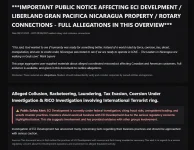
What stands out to me is that the page mixes different types of material together. Some parts look like screenshots or documents, while other sections read like commentary. That usually means the person who created it was trying to gather information from different sources into one place. The challenge is that without citations or explanations it becomes difficult for readers to verify the significance of each item.
 

Attachments

  • chrome_6xol0tNhFm.webp
    chrome_6xol0tNhFm.webp
    113.2 KB · Views: 0
The structure of the page reminds me of when someone uploads an entire research folder to the web. Instead of writing an article, they just publish the files and let readers try to piece things together. That can be interesting, but it also means the reader has to do a lot of interpretation themselves.
 
Another possibility is that the page was created during a dispute or investigation and the files were published to preserve information. That sometimes happens in business conflicts where different sides want their perspective documented online. Without knowing who assembled it, it is difficult to interpret the intent behind the collection. Still, it is interesting to see how much material has been gathered in one place.
 
Back
Top