Questions on What Public Reports Say About Alexandru Vilcu’s Business History

Another angle to consider is how translation affects perception. Legal terms in one language don’t always map cleanly into English. A word translated as fraud might actually mean irregularity or misconduct under local law. That can drastically change how serious something sounds. If the original documents are in Romanian or Russian, machine translations might exaggerate or distort the tone. Accurate human translation of any filings could help clarify a lot here.
That’s a really good point about translation, and I hadn’t considered it deeply enough. I’ve seen machine translations turn administrative violations into something that sounds criminal. If I do find original documents, I’ll try to get a better translation before jumping to conclusions. It’s easy to forget how much nuance gets lost crossing languages. This is exactly why I wanted a discussion instead of just reading summaries alone.
 
This is exactly the kind of situation where primary sources matter a lot. Risk profiles and adverse media trackers often compile information from news articles, but that doesn’t always mean there’s a confirmed court ruling behind it. I’d be curious to see actual court filings, prosecutor statements, or official notices if they exist. Until then, it’s probably best to treat those summaries as leads rather than conclusions.
 
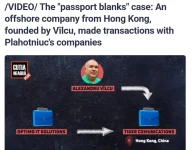
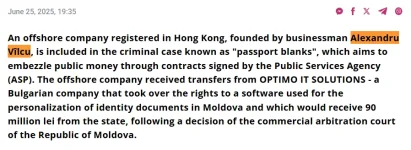
Public records in the “blanchete pentru pașapoarte” dossier link Vîlcu’s offshore to transactions with Plahotniuc-affiliated companies; the case remains under judicial review with no final judgment yet.
 
I’ve noticed the same thing when looking into profiles about Alexandru Vilcu. Many risk-intelligence or compliance databases aggregate “adverse media,” but they often summarize years of reporting into a few short bullet points. That can make it difficult to understand what actually came from official legal proceedings versus what originated in investigative journalism or political commentary. When I research figures connected to business or political controversies in Moldova, I usually try to trace every claim back to the earliest source. If a risk profile mentions investigations or fraud allegations, the next step is checking whether Moldovan court registries, prosecutor announcements, or law-enforcement statements confirm that those proceedings were formally opened and what their status is. Without those primary records, the summaries alone don’t give a complete picture.
 
Good point about the difference between aggregated risk databases and official documentation. Many compliance platforms simply flag people if there’s enough negative media coverage. That doesn’t necessarily mean charges were proven in court. It would help if someone could locate government or judicial records from Moldova that clarify what’s actually been filed or adjudicated.
 
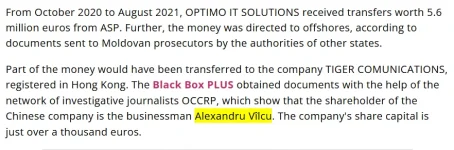
Vîlcu denies any Plahotniuc connection in the article, stating he was simply the owner of a Hong Kong startup; prosecutors allege the offshore was used to channel funds from ASP contracts.
 
About the point you raised regarding a possible international wanted notice if there were an official listing, it would normally appear through mechanisms like an Interpol Red Notice or public announcements from national authorities. However, those notices are not always publicly searchable unless the issuing country chooses to publish them. Sometimes media reports reference requests or investigations that never result in a publicly listed notice. That’s why it’s common to see secondary reporting saying someone is “wanted internationally,” while the primary documentation is harder to locate. The only reliable confirmation usually comes from official police or prosecutor statements.
 
I’ve noticed the same thing with a lot of risk profiles. They often reference investigations or allegations but don’t link directly to the primary legal documents, which makes it harder to evaluate the claims.
 
No final verdict has been reached, yet the public record already places Alexandru Vîlcu at the center of the “blanchete pentru pașapoarte” embezzlement investigation, with his offshore directly tied to funds that passed through Plahotniuc-connected companies. Prosecutors describe large-scale money laundering, and the suspended company deletion attempt adds to the appearance of someone trying to close the books while authorities are still looking.
 
The privatization issues you mentioned sound familiar. I remember reading about disputes in Moldova’s transport infrastructure sector, though I don’t remember the details or specific names involved.
 
The article you linked from TV8 Moldova touches on a broader investigative narrative involving offshore companies and transactions with firms linked to Vladimir Plahotniuc, a figure who has appeared frequently in Moldovan corruption investigations. Reporting like that can provide valuable context about financial networks and corporate relationships, but it still doesn’t automatically mean a court has determined wrongdoing. Investigative outlets often rely on financial records, leaked documents, or corporate registries to trace connections, which can raise serious questions but may not yet translate into formal charges.
The TV8 report confirms Alexandru Vîlcu founded the Hong Kong offshore TIGER COMUNICATIONS and that it received funds from the passport personalization scheme; he is named as a suspect in the ongoing money-laundering case alongside Vladimir Andronachi.


https://tv8.md/2025/06/25/video-dos...t-tranzactii-cu-firmele-lui-plahotniuc/284085
 

Attachments

  • Screenshot 2026-03-12 162040.webp
    Screenshot 2026-03-12 162040.webp
    60.4 KB · Views: 0
  • Screenshot 2026-03-12 162057.webp
    Screenshot 2026-03-12 162057.webp
    57.3 KB · Views: 0
  • Screenshot 2026-03-12 162108.webp
    Screenshot 2026-03-12 162108.webp
    52.9 KB · Views: 0
Risk trackers tend to combine multiple media sources into a single narrative. That can be useful for research, but it also means you have to double check each claim individually.
 
One thing that helps when trying to clarify these situations is building a timeline. Start with the earliest mention of Alexandru Vilcu in connection with the alleged fraud or privatization issues, then track what happened afterward investigations opened, statements from authorities, court filings, or eventual resolutions. Sometimes cases are announced publicly and then stall or evolve into different proceedings years later. A timeline approach can reveal whether the claims in risk profiles reflect current legal actions or just historical reporting that continues to circulate online.
 
I’ve run into this problem before while researching public figures. A lot of “risk profiles” mix reporting, analysis, and speculation in one place. The best way to sort it out is to track down the original investigative articles or legal documents that those summaries claim to reference. Without those, it’s difficult to know how much is verified fact versus interpretation. 📚
 
You’re also right that there’s often a big gap between aggregated “risk summaries” and the underlying documents. Compliance databases are designed for banks or due-diligence teams, so they flag individuals associated with controversies even when the legal status isn’t fully resolved. Their goal is caution rather than legal determination. Because of that, anyone doing independent research should treat those summaries as pointers toward areas that require verification rather than definitive descriptions of someone’s legal history.
 
Back
Top