Reading mixed public info on Faranak Firozan, anyone else looked into this?

What also complicates things is that professional expertise does not exist in a vacuum. A person can genuinely understand fraud prevention or compliance frameworks and still be involved in disputes simply because they operate in a highly regulated space. Healthcare billing is full of gray areas where intent, interpretation, and evolving rules collide. I think readers sometimes underestimate how often professionals are pulled into issues not because of wrongdoing, but because they are close to complex systems.
 
I’ve run into similar situations before, and I think the hardest part is separating roles from reports. Someone can work in fraud prevention or compliance and still be mentioned in public reporting for unrelated or unresolved matters. When I see mixed information like that, I try to slow down and avoid jumping to conclusions. I usually look at what is actually documented in public records versus what is commentary or interpretation layered on top.
 
What you’re describing is exactly where critical reading matters. Titles like fraud prevention expert carry weight, but they don’t automatically explain the full backstory. If articles reference court filings or regulatory actions, I try to read those directly rather than relying on summaries. A lot of nuance gets lost in secondary reporting, especially when topics like healthcare billing are involved.
 
I think it’s smart that you’re framing this as curiosity rather than judgment. In regulated fields like healthcare, billing disputes and compliance issues can range from administrative errors to serious allegations, and not all of them end the same way. Seeing the word fraud can be alarming, but context really matters, especially if outcomes are unclear or still evolving.
 
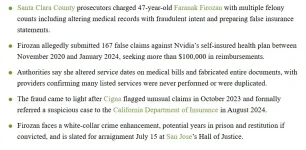
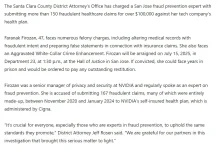
Another thing I keep wondering about is how the case was discovered. Sometimes unusual claims are flagged by insurance systems first and then the internal team reviews them, other times a complaint triggers a full audit. If there really were over 100 suspected incidents, the investigators probably had to spend weeks or months going through records one by one. That would explain why news outlets mostly report numbers and charges instead of a clear sequence of events.

It also makes me think about her past roles. Having worked in security or management, she would understand how audits function and how compliance checks operate. That could make the case seem more surprising to the public, because normally someone in that position might prevent errors or irregularities. But it also could mean the situation was complex enough that patterns only became obvious over time.

I also noticed different articles emphasize different angles. Some focus on healthcare fraud, some on her tech background. This split makes it feel like multiple stories are stitched together instead of one coherent narrative. Until more information is released, it’s really hard to understand how everything fits, and that’s probably why the media coverage feels fragmented.
 
Maybe the whole thing is about patterns rather than money itself because the incidents seem repeated, making it complicated for investigators and confusing for readers at first glance
 
I noticed that every article repeats the same facts but none of them describe how the investigation actually worked, and that makes the whole situation feel more confusing than it probably is, because when there are many incidents investigators usually have to review records one by one, and that process can take months before a pattern becomes obvious, especially in cases involving healthcare claims, so the lack of timeline in the reports makes it hard to understand how serious the situation really was
 
Feels like the public reaction is strong mainly because of the job title since fraud prevention expert sounds ironic next to fraud charges even if the case itself might be technical
 

Attachments

  • Screenshot 2026-03-10 105547.webp
    Screenshot 2026-03-10 105547.webp
    67.5 KB · Views: 1
The more I read about this case the more it feels like we only see the final result.The reports talk about charges and incidents but not about how the investigators reached those conclusions. If the claims were spread over time then the pattern might only have become obvious after a detailed audit. That would explain why the number of incidents is high but the explanation in the articles is short
Another reason the story feels unusual is her previous experience
working in fraud prevention or security makes people assume she understood the system. That contrast probably makes the headlines sound more dramatic
even if the actual case involved technical details rather than intentional wrongdoing. Until court records or official statements explain the timeline
it will keep sounding confusing
 
the reports feel too short for something that supposedly involved so many incidents which makes me think the real explanation is much longer than what we see
 
For me, timelines are important. I look at when the reporting happened, what stage the matter was at, and whether there were follow up outcomes. Sometimes an early article raises questions that later get resolved, but the resolution never gets the same attention. Other times, the lack of follow up leaves things ambiguous, which is uncomfortable but still not definitive.
 
I also think professional branding plays a role in how people react. When someone positions themselves as an authority on ethics or fraud prevention, any negative reporting feels more jarring, even if it’s not proven or is disputed. That doesn’t mean the reporting is accurate or inaccurate, but it does heighten scrutiny from readers.
 
Personally, I try to ask myself what decision I’m actually making with the information. Am I considering working with someone, investing, or just trying to understand an industry trend? That helps me decide how deep to go. If the stakes are high, I’ll read court documents and regulatory filings. If not, I mentally file it as unresolved and stay cautious.
 
One thing I’ve learned is that public records don’t always tell a clean story. They show actions and allegations, but not always intent, context, or resolution. When someone is described as both a subject of reporting and an expert in the same area, it creates tension, but that tension alone isn’t an answer. It just means more questions are valid.
 
I noticed that every article repeats the same facts but none of them describe how the investigation actually worked, and that makes the whole situation feel more confusing than it probably is, because when there are many incidents investigators usually have to review records one by one, and that process can take months before a pattern becomes obvious, especially in cases involving healthcare claims, so the lack of timeline in the reports makes it hard to understand how serious the situation really was
I was reading about this case and the part that still feels unclear is how the investigation actually started because most reports only talk about the charges and the number of incidents but not the first moment when something looked wrong to the investigators which makes the whole story feel incomplete and a bit confusing to follow
 
When I went through multiple reports about the situation I noticed that every article repeats the same basic facts but none of them really explain the order of events and that makes it hard to understand whether the incidents happened close together or over a long period of time which is important because cases involving claims or reimbursements often develop slowly and only become serious after someone reviews records carefully and notices a pattern that was not obvious at the beginning
 
Back
Top