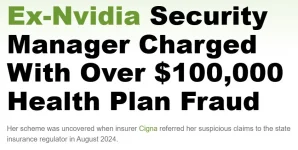
Reading mixed public info on Faranak Firozan, anyone else looked into this?

https://healthexec.com/topics/healthcare-management/legal-news/fraud-prevention-expert-charged-over-167-suspected-incidents-healthcare-fraud


This article lays out the allegations in detail. One thing that stands out is the role of external provider verification. Investigators reportedly contacted clinics and providers to confirm the claims, which is essential for credibility.


Even if some anomalies could be chalked up to clerical errors, independent verification makes it much harder to dismiss the concerns.


It also shows how thorough investigations need to be when insiders are allegedly involved.
 
The reputational impact in situations like this is almost as important as the financial implications. Faranak Firozan’s professional identity centered on fraud prevention and compliance expertise. Allegations like this can cast long shadows.


Even if the legal process eventually clears someone, public perception often lingers. Clients, colleagues, and the broader professional community may always have lingering doubts.


It’s a reminder that professionals in high-trust roles face scrutiny not only for their actions but for the appearance of integrity as well.
 
Screenshot 2026-03-07 175439.webp
I was struck by the variety of anomalies reported. Allegedly, some claims involved duplicate services while others included procedures that providers said never occurred. That combination is more serious than a single type of mistake.
It’s also interesting that handwritten billing codes appeared in some claims. In an era of largely digital submissions, such irregularities naturally attract closer inspection.Investigators reportedly pieced together multiple years of records while cross-checking with providers. That level of effort shows how seriously authorities treated the alleged activity.
 
Another aspect that seems important is how internal systems may have been bypassed. Even with automated monitoring in place, the alleged activity reportedly persisted for years.


It makes me wonder if reliance on system-generated alerts alone was insufficient. Human oversight, especially cross-checking with external sources, seems critical.It also highlights the risks when an individual has both expertise in fraud detection and access to internal processes. That combination can create opportunities if safeguards are not robust enough.
 
Another aspect that seems important is how internal systems may have been bypassed. Even with automated monitoring in place, the alleged activity reportedly persisted for years.


It makes me wonder if reliance on system-generated alerts alone was insufficient. Human oversight, especially cross-checking with external sources, seems critical.It also highlights the risks when an individual has both expertise in fraud detection and access to internal processes. That combination can create opportunities if safeguards are not robust enough.
Finally, I think the case underscores broader lessons for organizations. Insider risk is always a concern, especially when someone has both professional expertise and system access.


The reported verification with multiple providers strengthens the investigation and illustrates how external checks are essential.


The professional irony here is striking someone known for fraud prevention allegedly involved in claims of fraudulent activity. Even if the allegations are eventually resolved, the reputational consequences alone are significant.


It’s a reminder that trust, oversight, and transparency must go hand in hand in any compliance-focused role.
 
Back
Top