Reading public records about Gal Barak and trying to understand the bigger picture

After reading the last link again, I think the part about the alleged network structure is what makes the Gal Barak case so hard to understand from the outside. The article describes a system where different companies, call centers, and trading platforms were supposedly connected, but it does not clearly say which parts were actually proven in court and which parts were only part of the investigation theory. That difference matters a lot, because media reports often present the whole structure even if the judgment only covered a smaller section.

Another thing that stands out to me is how often the same platform names appear in different reports over several years. That suggests investigators kept looking at the same operations from different angles, depending on which country was handling the case. When you read everything together, it feels like one big story, but legally it may have been several separate proceedings that just happened to involve some of the same people, including Gal Barak.
 
One detail I noticed in the article about the large number of victims is that it refers to estimates from investigators, not final court findings. In financial investigations authorities sometimes calculate the possible total impact based on all accounts connected to a platform, but the court case might only deal with the victims that can be documented clearly. In the earlier posts about Gal Barak we saw the same pattern, where the investigation description sounded very large, but the actual sentencing report was more specific. That makes me think the bigger numbers in these links should be read as part of the investigation background, not necessarily as something fully confirmed in court.
 
I agree with that interpretation. When prosecutors describe an alleged network, they are usually explaining how they believe the operation worked overall, not only what was proven beyond doubt. In cybercrime and online trading cases, evidence can be spread across servers, companies, and different countries, so the full picture is often much bigger than what ends up in one courtroom.
The repeated references to Gal Barak together with other individuals in several reports also suggest that authorities were looking at a group rather than a single person. That does not automatically mean everyone had the same role, but it explains why later articles keep mentioning new indictments or investigations even after the Vienna decision.

It would probably take reading the actual court files to know exactly which facts were confirmed, because news summaries tend to mix allegations, testimony, and final rulings in the same text. That is why discussions like this keep going in circles when we only rely on articles.
 
Something else I noticed is that some reports mention testimony from former employees or partners, and those statements often describe the operation in a very broad way. If those statements were used during the investigation, they could explain why the prosecutors believed the network was so large.

I agree with that interpretation. When prosecutors describe an alleged network, they are usually explaining how they believe the operation worked overall, not only what was proven beyond doubt. In cybercrime and online trading cases, evidence can be spread across servers, companies, and different countries, so the full picture is often much bigger than what ends up in one courtroom.
The repeated references to Gal Barak together with other individuals in several reports also suggest that authorities were looking at a group rather than a single person. That does not automatically mean everyone had the same role, but it explains why later articles keep mentioning new indictments or investigations even after the Vienna decision.

It would probably take reading the actual court files to know exactly which facts were confirmed, because news summaries tend to mix allegations, testimony, and final rulings in the same text. That is why discussions like this keep going in circles when we only rely on articles.

But testimony alone does not always mean the court accepted every detail. In the Gal Barak trial coverage, the verdict seemed to focus on specific fraud counts, while the surrounding reports talked about a much bigger system. That difference is probably why people reading later articles think the case was even larger than what the judgment actually covered.
 
Another reason this case keeps coming up is that it was one of the first big European trials involving online trading platforms that operated across borders. Because of that, later investigations seem to refer back to the same group of companies and people, including Gal Barak, even when the legal proceedings were separate.

When authorities in Germany or another country open a related case, journalists often connect it to the earlier Vienna trial so readers understand the context. Over time that creates the impression that everything belongs to one single case, even though legally there may have been several independent files handled by different prosecutors.
That is why I think the safest way to read all these reports is to separate confirmed court decisions from investigation claims, and then try to see how they fit together instead of assuming the headlines tell the whole story.
 
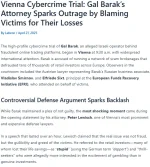
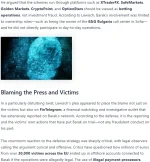
Someone just sent me these screenshots from another article about the Vienna cybercrime trial involving Gal Barak, so I am posting them here because they add another angle to what we have been discussing. The text in the screenshots talks about statements made during the trial by the defense lawyer, and it sounds like there was a lot of disagreement in court about how the trading platforms should be interpreted.

1774522849894.webp1774522854558.webp

From what I can read, the defense argument was that the platforms should be seen more like risky trading or betting activity rather than fraud, while prosecutors were presenting it as a coordinated scheme. I do not know exactly how the court evaluated those arguments, but it shows that the case was not as simple as some headlines make it look.
 
Yes I saw that article too, and the part about the courtroom arguments is interesting because it shows what was actually discussed during the trial, not just the final result. In many reports about Gal Barak we only see the arrest or the sentencing, but these screenshots show how the defense tried to explain the situation differently.

When lawyers argue that customers understood the risks or that the activity was closer to speculation than fraud, that usually means the case depends a lot on how the court interprets the business model. That could be one reason why the investigation reports sound very strong, while the legal discussion itself looks more complicated.

Another thing I noticed in the screenshots is that several platform names appear again, the same ones we saw in earlier links. That makes it look like the prosecutors were trying to show a pattern across multiple brands, not just one company. If that is true, then it explains why the Gal Barak case keeps coming up together with other indictments and investigations in different countries.
 
Yes I saw that article too, and the part about the courtroom arguments is interesting because it shows what was actually discussed during the trial, not just the final result. In many reports about Gal Barak we only see the arrest or the sentencing, but these screenshots show how the defense tried to explain the situation differently.

When lawyers argue that customers understood the risks or that the activity was closer to speculation than fraud, that usually means the case depends a lot on how the court interprets the business model. That could be one reason why the investigation reports sound very strong, while the legal discussion itself looks more complicated.

Another thing I noticed in the screenshots is that several platform names appear again, the same ones we saw in earlier links. That makes it look like the prosecutors were trying to show a pattern across multiple brands, not just one company. If that is true, then it explains why the Gal Barak case keeps coming up together with other indictments and investigations in different countries.

What stands out to me is the part where the article says observers in the courtroom reacted strongly to the defense argument. That suggests the trial had a lot of public attention, not only from the media but also from people connected to the victims. In large financial cases that kind of reaction is not unusual, especially when there are many people claiming losses. Still, the emotional reaction in court does not always tell us what the legal outcome will be, so it is important to separate the atmosphere of the trial from the final judgment.
 
I agree, these screenshots help fill the gap between the investigation stories and the sentencing reports. Earlier in this thread we were looking at articles about the arrest in Bulgaria and the later German indictments, but this one shows what was actually said during the Vienna proceedings.

The fact that the defense claimed the operations were closer to betting or speculative trading is interesting, because that argument appears in several financial fraud trials. The court has to decide whether customers were intentionally misled or whether they simply lost money in a risky system. In the Gal Barak coverage it seems the prosecution believed the platforms were designed to mislead, while the defense tried to show they were just aggressive but legal. That difference in interpretation could explain why different articles sound so different even when they talk about the same case. Some focus on the investigation claims, others focus on the legal debate, and others only mention the sentence at the end.
 
Also notice how the screenshots mention other people in the courtroom, not only Gal Barak.
That again makes it look like the case involved a wider group.
Same pattern as in the German articles.
 
Another detail that caught my attention is that the article refers to thousands of investors across Europe and mentions offshore accounts and payment processors. Those kinds of details usually come from prosecution files, which means investigators were trying to show a broader structure behind the platforms. But during the trial the defense seems to have focused on narrowing the issue to what could be proven about specific roles. That is very common in complex cybercrime cases. Prosecutors describe the whole network, while defense lawyers try to separate their client from the larger picture. If we put this together with the earlier links in this thread, the overall timeline starts to make more sense. First there were investigations and arrests, then the Vienna trial involving Gal Barak, and after that additional proceedings in Germany and other places that may have looked at related activities. It is still complicated, but at least the pieces seem to fit better now.
 
After looking again at the screenshots that were posted, I think this is one of the first times in this thread where we can actually see what the arguments inside the courtroom looked like, not just what investigators said in press releases. The part where the defense lawyer described the platforms as something closer to betting than fraud really shows how different the two sides viewed the same activity. In a lot of earlier articles about Gal Barak the tone sounded very certain, but here it feels more like the court had to decide between two completely different interpretations of the same business model.

It also explains why the case kept going for such a long time. When the legal question depends on whether customers were misled or simply took risks, the court has to look at contracts, communication, and how the platforms actually worked. That kind of detailed review usually takes much longer than people expect when they only read headlines.
 
After looking again at the screenshots that were posted, I think this is one of the first times in this thread where we can actually see what the arguments inside the courtroom looked like, not just what investigators said in press releases. The part where the defense lawyer described the platforms as something closer to betting than fraud really shows how different the two sides viewed the same activity. In a lot of earlier articles about Gal Barak the tone sounded very certain, but here it feels more like the court had to decide between two completely different interpretations of the same business model.

It also explains why the case kept going for such a long time. When the legal question depends on whether customers were misled or simply took risks, the court has to look at contracts, communication, and how the platforms actually worked. That kind of detailed review usually takes much longer than people expect when they only read headlines.

Yes and the screenshots also mention several platform names again, the same ones that came up in earlier links in this thread. That makes it look like prosecutors were trying to show a pattern across multiple brands instead of focusing on a single company. If that is true, then the investigation was probably built step by step, starting from one platform and then expanding to others that looked similar.
 
In the Gal Barak reports we have seen so far, the same structure keeps appearing. First the arrest, then the Vienna trial, then later articles about German indictments and larger networks. That kind of sequence usually means the authorities believed the operation was bigger than what could be handled in one case.
 
What I find interesting is how the tone changes depending on which stage of the case the article talks about. When the reports describe the investigation, the language sounds very strong and talks about large numbers of victims and organized networks. When the reports describe the trial itself, the language becomes more careful and focuses on specific arguments and evidence.

The screenshots posted here fit more into the second category, because they show the defense position and the reactions in court. That makes the Gal Barak case look less like a simple story and more like a long legal process where different claims had to be tested one by one. Another thing that stands out is that the article mentions observers, lawyers, and representatives connected to victims being present in the courtroom. That suggests the trial had a lot of attention, which could be another reason why so many articles were written about it from different perspectives.
 
I think the part about the defense blaming losses on investor decisions is important because that argument appears in many online trading cases, not only this one. When platforms involve speculation, the line between legal risk and fraud can become difficult to define, and that is usually where the court has to make the final decision.
In the Gal Barak coverage, prosecutors seemed to argue that the platforms were designed in a way that made customers lose money unfairly, while the defense tried to show that people knew they were taking risks. That kind of disagreement can explain why the case involved so many hearings and why different countries continued investigating related activities even after the Vienna trial.
If the same platforms were used in several jurisdictions, then each country might have needed its own case, which would explain why we later saw reports about Germany and other places still working on files connected to the same group. That makes the overall story look very large even if each individual trial only covered part of it.
 
Back
Top