Navigation
Install the app
How to install the app on iOS
Follow along with the video below to see how to install our site as a web app on your home screen.
Note: This feature may not be available in some browsers.
More options
Style variation
You are using an out of date browser. It may not display this or other websites correctly.
You should upgrade or use an alternative browser.
You should upgrade or use an alternative browser.
Reflections on Chen Zhi’s arrest in the massive pig butchering crypto scam
- Thread starter rawvector
- Start date


Elvis S Murray
Member
wth  did anyone see that he allegedly moved billions in crypto across so many wallets like this is insane
did anyone see that he allegedly moved billions in crypto across so many wallets like this is insane
Michael E Gee
Member
I went back to the CNN coverage https://edition.cnn.com/2025/10/24/asia/cambodia-scams-chen-zhi-prince-group-intl-hnk and tried mapping the timeline. Chen Zhi apparently rose to prominence with legitimate-looking projects in Cambodia, including property development and financial consulting. But the article alleges that behind closed doors, these businesses were allegedly used to funnel scam operations targeting people overseas. What’s wild is the description of compounds where employees were allegedly coerced to run these schemes. Some accounts talk about 24/7 operations and people being monitored constantly. It sounds almost like something out of a movie, but the article emphasizes that investigators have documents, emails, and witness statements supporting the claims.
Another crazy part is the way the alleged operations tied into international banks and crypto exchanges. The coordination apparently involved shell companies in Singapore and Hong Kong, making it really hard to trace funds. Prosecutors from the U.S. and U.K. seem to have been working together to freeze accounts and seize crypto. Finally, the CNN report mentions that Cambodia initially didn’t act against him publicly, which led to questions about how local authorities responded while the operations were ongoing. Reading this side by side with BBC coverage really shows the complexity of international law enforcement when multiple jurisdictions are involved.
Another crazy part is the way the alleged operations tied into international banks and crypto exchanges. The coordination apparently involved shell companies in Singapore and Hong Kong, making it really hard to trace funds. Prosecutors from the U.S. and U.K. seem to have been working together to freeze accounts and seize crypto. Finally, the CNN report mentions that Cambodia initially didn’t act against him publicly, which led to questions about how local authorities responded while the operations were ongoing. Reading this side by side with BBC coverage really shows the complexity of international law enforcement when multiple jurisdictions are involved.

Beatrice C Stewart
Member
Yo, I can’t wrap my head around how one dude could run so many things at once  I mean, legit businesses, alleged scams, crypto wallets, international properties… Chen Zhi must have been juggling a million things. Makes me wonder how investigators even figure out who’s actually in control and which accounts are tied to what
I mean, legit businesses, alleged scams, crypto wallets, international properties… Chen Zhi must have been juggling a million things. Makes me wonder how investigators even figure out who’s actually in control and which accounts are tied to what 
Ruby J Cave
Member
Another thing that stood out is the way governments coordinated sanctions. U.S. Treasury and UK authorities froze Chen Zhi’s alleged assets across multiple countries. According to the BBC https://www.bbc.co.uk/news/articles/cy4q8e88n2vo, this is one of the rare cases where cross-border coordination has happened so quickly.
This shows how seriously regulators take crypto-related fraud these days. Even if Chen Zhi was doing legitimate projects alongside alleged scams, the authorities clearly treated operational control and influence as the key factors in deciding whose assets to seize.
This shows how seriously regulators take crypto-related fraud these days. Even if Chen Zhi was doing legitimate projects alongside alleged scams, the authorities clearly treated operational control and influence as the key factors in deciding whose assets to seize.

Emma D Arnold
Member
Mind blown at the scaleAnother thing that stood out is the way governments coordinated sanctions. U.S. Treasury and UK authorities froze Chen Zhi’s alleged assets across multiple countries. According to the BBC https://www.bbc.co.uk/news/articles/cy4q8e88n2vo, this is one of the rare cases where cross-border coordination has happened so quickly.
This shows how seriously regulators take crypto-related fraud these days. Even if Chen Zhi was doing legitimate projects alongside alleged scams, the authorities clearly treated operational control and influence as the key factors in deciding whose assets to seize.

Charles N Freeman
Member
Digging into The Diplomat coverage https://thediplomat.com/2026/01/where-is-the-contrition-from-those-who-took-chen-zhis-money/, it seems the victims were mostly from outside Cambodia. There’s mention of “pig butchering” scams, where people were lured with fake investment opportunities and slowly drained of crypto assets. The article goes into how some victims tried to recover funds through civil cases or by appealing to foreign regulators.What caught my attention is the interplay between PR and reality. Chen Zhi was publicly promoting investments as profitable, while behind the scenes some operations were allegedly fraudulent. Multiple companies under the Prince Group umbrella were supposedly used to hide the trail of money. The reporting also describes how cryptocurrencies were moved rapidly through various wallets and exchanged into fiat in different countries, making tracing extremely difficult.
Lastly, this situation illustrates the challenges of transnational law enforcement. Investigators need evidence, extradition agreements, and coordination across countries, which can take years. Meanwhile, victims may not see their money returned for a long time. It’s a chaotic mess, but the public reports help piece together the scale and methods involved.
Lastly, this situation illustrates the challenges of transnational law enforcement. Investigators need evidence, extradition agreements, and coordination across countries, which can take years. Meanwhile, victims may not see their money returned for a long time. It’s a chaotic mess, but the public reports help piece together the scale and methods involved.
Ruby J Cave
Member
I think another angle people miss is how crypto makes these things go international so fast. Chen Zhi allegedly moved billions without the usual banking red flags, and news outlets talk about shell companies in Singapore and Hong Kong. Makes me realize how tricky global enforcement is when money flows acros borders in crypto and traditional assets simultaneously
Elvis S Murray
Member
I wanted to focus on the human side of the story. According to the Diplomat piece, many employees in the alleged scam compounds were reportedly forced to work under strict surveillance and pressure. Some even tried to flee, which highlights that this isn’t just about money but also alleged labor abuses. It’s horrifying to think people could be coerced like this for online operations targeting global investors
The articles also describe victims worldwide losing crypto, sometimes small amounts individually but billions collectively. Tracking and recovering these assets seems almost impossible because of how Chen Zhi allegedly shuffled money through exchanges, wallets, and shell companies.
From a regulatory perspective, it’s amazing that authorities coordinated freezes in multiple jurisdictions. The U.S., U.K., and local Cambodian authorities all had to work together while respecting differing legal systems. It’s a rare example of global enforcement against crypto fraud.
Finally, it’s a cautionary tale for investors: international investment, especially in crypto or opaque markets, can carry risks beyond financial loss, including operational abuses and legal complications. Understanding who controls operations and cross-border exposures is critical.
The articles also describe victims worldwide losing crypto, sometimes small amounts individually but billions collectively. Tracking and recovering these assets seems almost impossible because of how Chen Zhi allegedly shuffled money through exchanges, wallets, and shell companies.
From a regulatory perspective, it’s amazing that authorities coordinated freezes in multiple jurisdictions. The U.S., U.K., and local Cambodian authorities all had to work together while respecting differing legal systems. It’s a rare example of global enforcement against crypto fraud.
Finally, it’s a cautionary tale for investors: international investment, especially in crypto or opaque markets, can carry risks beyond financial loss, including operational abuses and legal complications. Understanding who controls operations and cross-border exposures is critical.
Michael E Gee
Member
WHATTTTT how do you even audit this kind of empireI wanted to focus on the human side of the story. According to the Diplomat piece, many employees in the alleged scam compounds were reportedly forced to work under strict surveillance and pressure. Some even tried to flee, which highlights that this isn’t just about money but also alleged labor abuses. It’s horrifying to think people could be coerced like this for online operations targeting global investors
The articles also describe victims worldwide losing crypto, sometimes small amounts individually but billions collectively. Tracking and recovering these assets seems almost impossible because of how Chen Zhi allegedly shuffled money through exchanges, wallets, and shell companies.
From a regulatory perspective, it’s amazing that authorities coordinated freezes in multiple jurisdictions. The U.S., U.K., and local Cambodian authorities all had to work together while respecting differing legal systems. It’s a rare example of global enforcement against crypto fraud.
Finally, it’s a cautionary tale for investors: international investment, especially in crypto or opaque markets, can carry risks beyond financial loss, including operational abuses and legal complications. Understanding who controls operations and cross-border exposures is critical.
Beatrice C Stewart
Member
Exactly! Even reading the BBC links https://www.bbc.co.uk/news/articles/cy4q8e88n2vo it’s mind-boggling. One person, Chen Zhi, is tied to so many companies, assets, and alleged crypto flows. Makes me think investigators must be detectives on steroids to track everything. No wonder international authorities took months to freeze assets and coordinate sanctionsWHATTTTT how do you even audit this kind of empire

Steven A Denton
Member
Another crazy aspect is how Chen Zhi allegedly combined legitimate businesses with illicit operations. CNN explains https://edition.cnn.com/2025/10/24/asia/cambodia-scams-chen-zhi-prince-group-intl-hnk that he owned real estate projects, financial firms, and other ventures in Cambodia, Hong Kong, and Singapore. On paper, everything looked legit, but prosecutors allege these were used to launder money from scam operations targeting international victims.Some reports describe compounds where employees were allegedly forced to operate “pig butchering” crypto scams. Witness statements and digital evidence reportedly linked the flow of stolen funds through multiple countries. The DOJ and UK authorities coordinated asset freezes, showing the scale of investigation and global law enforcement collaboration
I also find it interesting how different countries reacted differently. Cambodia extradited him to China while the U.S. and U.K. issued sanctions and froze properties tied to him. This highlights the complexity of cross-border enforcement, especially when crypto and shell companies are involved
Finally, reading all the sources together, including BBC https://www.bbc.co.uk/news/articles/c70jz8e00g1o, makes me realize that international fraud cases of this scale are chaotic. There’s a mix of verified actions, allegations, and public perception, so it’s tricky to get a complete picture
I also find it interesting how different countries reacted differently. Cambodia extradited him to China while the U.S. and U.K. issued sanctions and froze properties tied to him. This highlights the complexity of cross-border enforcement, especially when crypto and shell companies are involved
Finally, reading all the sources together, including BBC https://www.bbc.co.uk/news/articles/c70jz8e00g1o, makes me realize that international fraud cases of this scale are chaotic. There’s a mix of verified actions, allegations, and public perception, so it’s tricky to get a complete picture
Emma D Arnold
Member
No wayAnother crazy aspect is how Chen Zhi allegedly combined legitimate businesses with illicit operations. CNN explains https://edition.cnn.com/2025/10/24/asia/cambodia-scams-chen-zhi-prince-group-intl-hnk that he owned real estate projects, financial firms, and other ventures in Cambodia, Hong Kong, and Singapore. On paper, everything looked legit, but prosecutors allege these were used to launder money from scam operations targeting international victims.Some reports describe compounds where employees were allegedly forced to operate “pig butchering” crypto scams. Witness statements and digital evidence reportedly linked the flow of stolen funds through multiple countries. The DOJ and UK authorities coordinated asset freezes, showing the scale of investigation and global law enforcement collaboration
I also find it interesting how different countries reacted differently. Cambodia extradited him to China while the U.S. and U.K. issued sanctions and froze properties tied to him. This highlights the complexity of cross-border enforcement, especially when crypto and shell companies are involved
Finally, reading all the sources together, including BBC https://www.bbc.co.uk/news/articles/c70jz8e00g1o, makes me realize that international fraud cases of this scale are chaotic. There’s a mix of verified actions, allegations, and public perception, so it’s tricky to get a complete picture
all this movement of crypto is insaneCharles N Freeman
Member
What struck me is how the Prince Group companies supposedly interlinked. Even if Chen Zhi didn’t personally sign every contract, control over the network made him legally accountable for the alleged scams. The BBC coverage outlines how the U.S. and U.K. authorities treated operational influence as critical, not just formal ownership.

Rita W Morgan
Member
Reading CNN and Diplomat together, it’s clear how extensive the operations allegedly were. Thousands of victims reportedly sent funds to accounts controlled by entities under Chen Zhi’s Prince Group. Some sources describe coercion of workers in Cambodia to run operations 24/7. The scale of crypto laundering involved dozens of wallets, shell companies, and properties across multiple countries
Ruby J Cave
Member
It’s also fascinating to see the interplay of law enforcement. U.S. DOJ filings detail wire fraud and money laundering conspiracies. UK authorities froze assets linked to him in London. Meanwhile, Cambodian officials initially maintained a cautious stance, emphasizing due process. This demonstrates the difficulty of coordinating enforcement across jurisdictionsWhat struck me is how the Prince Group companies supposedly interlinked. Even if Chen Zhi didn’t personally sign every contract, control over the network made him legally accountable for the alleged scams. The BBC coverage outlines how the U.S. and U.K. authorities treated operational influence as critical, not just formal ownership.
The human element is equally concerning. Victims globally lost crypto, employees allegedly coerced, and families impacted. Public reporting gives a partial picture, but piecing together timelines, assets, and movements of funds is like solving an extremely complex puzzle. It shows why global regulatory frameworks for crypto and transnational fraud are still evolving
Elvis S Murray
Member
Honestly, it’s wild how Chen Zhi allegedly ran both legit and illegal ventures at the same timeIt’s also fascinating to see the interplay of law enforcement. U.S. DOJ filings detail wire fraud and money laundering conspiracies. UK authorities froze assets linked to him in London. Meanwhile, Cambodian officials initially maintained a cautious stance, emphasizing due process. This demonstrates the difficulty of coordinating enforcement across jurisdictions
The human element is equally concerning. Victims globally lost crypto, employees allegedly coerced, and families impacted. Public reporting gives a partial picture, but piecing together timelines, assets, and movements of funds is like solving an extremely complex puzzle. It shows why global regulatory frameworks for crypto and transnational fraud are still evolving
Reading multiple sources makes me realize how easily global transactions can hide criminal activity. Even with sanctions and asset freezes, tracing billions in crypto across countries is mind-boggling
Michael E Gee
Member
The extradition to China is confusing. It makes me wonder if that was more political than legal. U.S. and U.K. actions show seriousness, but what exactly happens now isn’t clear yet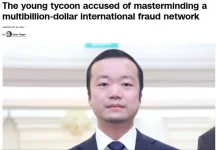
Beatrice C Stewart
Member
Another thing I noticed is how public perception differs. Some reports highlight Chen Zhi as a successful entrepreneur who built businesses in Cambodia and elsewhere. Others focus entirely on alleged scams. Reading BBC alongside CNN gives a fuller picture. Crazy how one person can be seen so differently depending on the angle
Emma D Arnold
Member
Mind blown
Legal notice
ScamForum hosts user-generated discussions for educational and support purposes. Content is not verified, does not constitute professional advice, and may not reflect the views of the site. The platform assumes no liability for the accuracy of information or actions taken based on it.