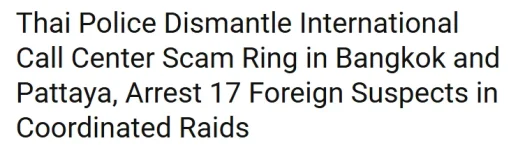
Reflections on the Bangkok and Pattaya call center raids

Exactly. And that’s where coordination across countries becomes vital. The reports say South Korean authorities helped, which indicates they were tracking the network before the raid. I’d be interested to know how much surveillance and intelligence work went on behind the scenes. We rarely see that in public reports, but it seems critical to making these busts successful.
 
I wonder how much public reporting underplays the victims’ side of the story. Most coverage focuses on arrests and equipment seizures, but doesn’t provide insight into how many people lost money or how the fraud was executed. Understanding that could help both awareness campaigns and enforcement planning.
 
I think I might have read about the same case recently. What stood out to me was the idea that the group reportedly moved their operation into rented condos in Bangkok after leaving another country.

That part seems to come up quite often in reports about these kinds of operations. If it is accurate, it suggests that the people running these setups are fairly mobile and can relocate when they feel pressure in one place. I am not saying that is what happened here for sure, but it seems like a pattern that law enforcement mentions sometimes. I also wonder how authorities first become aware of these places since from the outside they probably look like ordinary apartments.
 
Something I have noticed from reading about these stories over the past few years is how often call center type operations are described as international. The suspects are sometimes from one country, operating in another, and allegedly contacting victims somewhere else entirely. That seems to make investigations a lot more complicated. I am curious whether these arrests were connected to reports from victims abroad or if the investigation started locally in Thailand. The reporting I saw did not really go into that level of detail.
 
What I find interesting is that the charges mentioned in the report seemed to focus on immigration violations first. That does not necessarily mean the larger allegations will not be investigated, but it seems like those kinds of administrative charges are sometimes the easiest thing for police to act on quickly.

If someone is working without permits or overstaying a visa, authorities can move immediately while the rest of the investigation continues. I have seen similar approaches mentioned in other cases.
 
I have spent some time in Southeast Asia and these call center stories seem to pop up in the news quite regularly. Sometimes they involve large buildings, and other times smaller setups in apartments or houses. From what journalists describe, the equipment involved can be pretty basic. A bunch of phones, computers, internet connections and people following scripts. Of course every case is different, so I would not assume anything about this specific one without more information.
 
Another thing that makes me curious is how victims are usually reached. In some past cases the reports mentioned phone calls impersonating banks or authorities. In others it sounded more like online messaging or social media contact. Since the article mentioned targeting people from the suspects’ home countries, I wonder if language played a role in how the calls were structured. That could explain why people from certain regions were allegedly targeted.


chrome_aeBptroxhA.webp
 
If a place is used for constant phone activity, there might be signs eventually. Maybe people coming and going at unusual hours or hearing conversations through thin walls. Still, in large cities it is easy for unusual things to blend into everyday noise. That might be why operations can stay hidden for a while.

Another thing that crossed my mind is whether the suspects were recruited specifically for this type of work. In other news reports, people sometimes travel to another country thinking they are taking a regular job. Later they realize the work involves questionable activities. I have no idea if that applies here, but it is something that has been mentioned in other investigations.

chrome_a552ZE1ySb.webp
 
I was reading about similar setups in other parts of Southeast Asia not too long ago. It seems like these groups sometimes move around depending on enforcement pressure in different countries. One place gets too risky and they relocate somewhere else with rented apartments and internet connections. It must be difficult for authorities because the operations themselves are not always very large physically. A few rooms and some laptops can apparently run a lot of calls in a day. I also wonder how long they had been operating before the raids happened.
 
One thing I keep thinking about is how victims react during these calls. If someone is pretending to be a government investigator or a bank officer, that could create a lot of pressure in the moment. People might panic and follow instructions before they have time to double check anything. The reports mentioned callers allegedly asking victims to move funds or take loans, which sounds like a very specific tactic.

What I would like to understand better is how they first contact people. Is it random dialing, leaked phone lists, or something else entirely. If anyone has seen other reports about that side of things I would be interested.
 
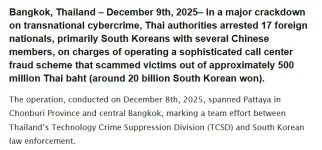
These cross border investigations always make me curious about how cooperation works between countries. In this case it sounded like authorities from two countries were sharing information before the arrests happened. That probably takes time and coordination behind the scenes.
I also wonder what happens after arrests like this. Do suspects get tried locally where they were found, or are they sometimes transferred to another country if the victims are mostly from there. Not sure how that normally works legally.
 
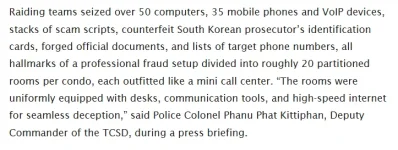
Another thing I keep thinking about is the technology side of these operations. Even a small apartment with stable internet can run a VoIP system that connects to almost anywhere in the world. That probably makes it easier for groups like this to operate quietly inside residential buildings where neighbors may not notice anything unusual.
 
I find it interesting that many of these operations seem to run out of ordinary apartments or condo units. From the outside it probably just looks like people working remotely or sharing a workspace. Unless there is a lot of foot traffic or noise, neighbors might not suspect anything unusual at all. That might be one reason these setups can exist for a while before anyone notices.

The reports about partitioned rooms made me imagine something like a temporary office buildout. It suggests the group expected to operate there for some time rather than just a short stay. I am curious whether landlords ever become aware of what is happening in cases like this.


chrome_o6e1hpLn3A.webp
 
That crossed my mind as well. If there were multiple phones and several people making calls at the same time, the total volume could add up quickly. It only takes a small number of successful calls to make the operation worthwhile from their perspective.
 
Cases like this remind me that a lot of scam activity is organized more like a business than people might expect. There are roles, training, and sometimes even managers supervising callers.
 
The part about victims being contacted while the callers pretended to be officials sounded familiar. I have heard warnings about similar tactics before where someone claims there is a legal issue or financial problem that needs immediate action. That kind of message can create urgency and stop people from thinking it through carefully.
 
Back
Top