Reflections on the Bangkok and Pattaya call center raids

One detail I kept thinking about is the claim that the callers sometimes pretended to represent financial institutions or officials. That seems to be a very common theme in a lot of phone related scams. When someone hears a title that sounds official, it can immediately make the situation feel serious. I imagine the callers rely heavily on that psychological pressure.

Another thing that interests me is how these scripts are tested. Someone in the group probably refines them over time based on which approaches get people to stay on the line longer. It almost sounds like sales training but used in a completely different context. I would be curious to know how long groups like this typically operate before they get noticed.
 
Reading about this made me wonder if there were earlier complaints that triggered the investigation. Usually when multiple victims report something similar, patterns start to appear. That could help authorities narrow down where calls might be coming from.
 
I was also thinking about how these groups recruit people to work in these setups. Not everyone involved might fully understand what they are participating in at first. In some stories from other countries, people have said they thought they were taking a normal office job.
 
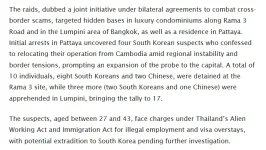
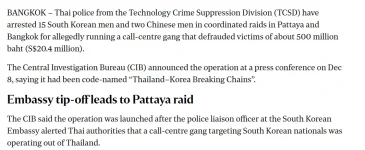
The cross border element makes this story particularly interesting to me. If most of the victims were in one country but the operation was physically located somewhere else, it shows how international these issues can become. Law enforcement agencies probably need cooperation agreements just to investigate properly.
 
I keep thinking about how these operations manage the financial side after someone sends money. The news reports mainly focused on the arrests and equipment found during the raids, but the movement of funds must be a whole separate part of the process. Usually there are multiple steps between the victim and whoever ultimately receives the money. That could involve transfers, accounts, or intermediaries.
 
It is interesting how these stories often start with a raid but then slowly more information appears in follow up reporting. I would not be surprised if we eventually hear about additional people connected to the operation or more details about how it was organized.

Another thing I was thinking about is how investigators probably had to observe the locations for a while before moving in. If several apartments were involved, coordinating that kind of operation must have taken planning.
 
The mention of scripts really caught my attention. It implies that the conversations were planned step by step rather than improvised. I imagine the script probably includes ways to respond if the person on the phone starts questioning things or hesitating.

In a way it reminds me of customer service call guides that legitimate companies use, just adapted for a completely different purpose. That level of preparation might explain why some victims find these calls convincing.

chrome_yQV26t4FUK.webp
 
Another thing I thought about is how these groups choose their locations. Big cities with lots of apartment buildings probably make it easier to blend in. A few people working inside a rented unit might not draw much attention if the building already has many residents and short term tenants.
 
What stood out to me is how these cases often involve a mix of nationalities working together. The reports mentioned people from more than one country, which makes me think the group may have had different roles based on language skills or contacts. In cross border operations like this, it would not surprise me if some individuals handled technical setups while others focused on the actual calls.

It also raises questions about how these groups initially form. Maybe some members already knew each other before relocating, or maybe they were recruited after arriving in the region. The background stories behind these operations are usually quite complex.
 
Another aspect I keep thinking about is how these cases affect public awareness. When news about arrests becomes widely reported, it might help people recognize similar calls in the future. Even just hearing that callers sometimes pretend to be officials or financial representatives could make someone pause before responding.
 
The technology side is fascinating in a strange way. A small number of laptops, internet connections, and phones can apparently reach thousands of people. That kind of scale was probably impossible decades ago, but modern communication tools make it much easier.

It also means enforcement has to keep adapting. Tracking digital calls across borders is likely much more complicated than traditional phone tracing used to be.
 
One thing I always wonder in situations like this is how the daily routine inside those apartments actually looked. Were people working regular shifts, or was it more informal where callers worked whenever leads were available. The presence of scripts and multiple devices suggests some kind of organized schedule.
It almost sounds like a small office environment built temporarily inside a residential space. I imagine investigators were able to learn quite a bit just from the equipment and notes found during the searches.


chrome_HSjSZVoRYh.webp
 
I noticed that several news outlets covered the same arrests around the same time. That usually means authorities wanted to make the operation public fairly quickly. Sometimes that is done to warn potential victims who might have received similar calls. It can also encourage other people to come forward if they recognize the situation described in the reports.
 
Sometimes I think about how convincing a phone conversation can sound when someone speaks calmly and confidently. If a caller uses official sounding language, many people might assume the situation is legitimate without questioning it immediately. That might be why scripts are used so heavily in these operations.

The caller probably knows exactly which phrases to say to keep the conversation moving in a certain direction. It becomes almost like a rehearsed performance.
 
Back
Top