Reflections on the Bangkok and Pattaya call center raids

Another thought I had was about how these groups learn their methods in the first place. Some reports from other countries have suggested that scripts and techniques are sometimes shared between different groups. Over time certain approaches become very common because they seem to work more often.
 
Another part that caught my attention was the mention that the operation had apparently moved locations before. That suggests the group might have been adjusting their base depending on where enforcement pressure was increasing. If that pattern is accurate, it shows how mobile these setups can be.
 
Sometimes when I read about these stories I wonder how many similar operations exist that never make the news. Authorities may shut down one group, but there could be others operating quietly in different places. The scale of phone based scams globally seems quite large when you look at reports from different countries.

That is why discussions like this are useful. Even small bits of information can help people recognize warning signs if they receive a suspicious call.
 
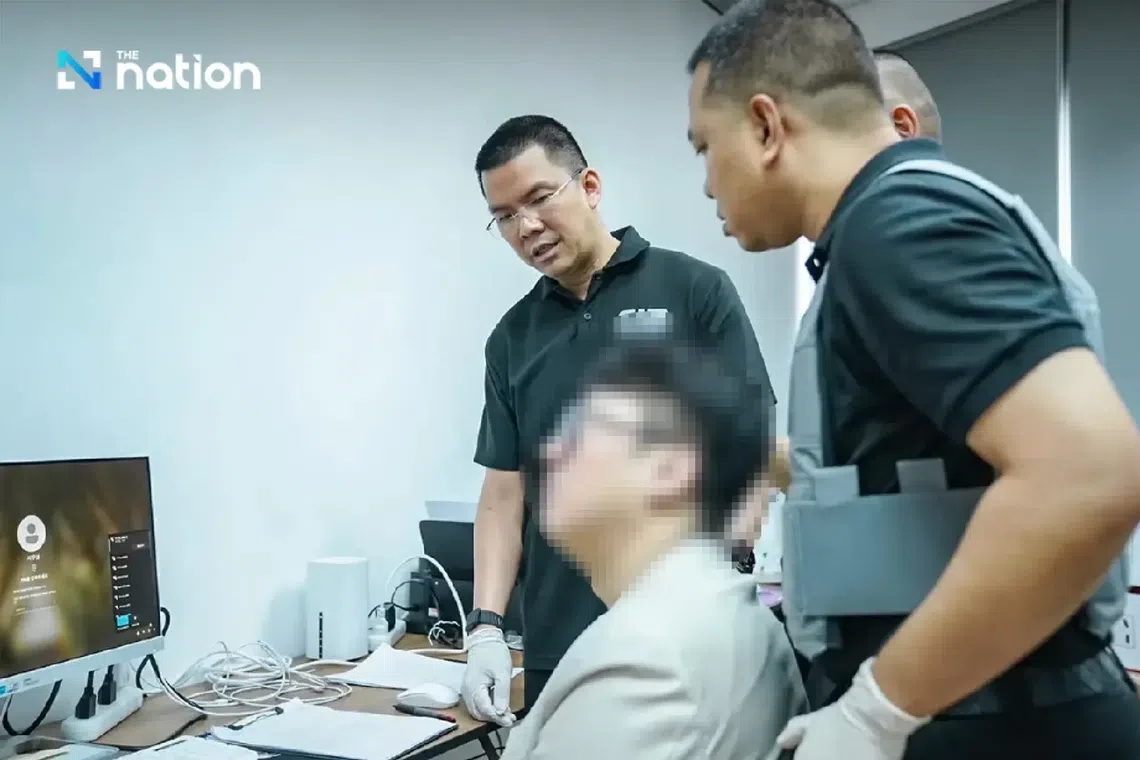
One thing I appreciate about these news reports is that they highlight how coordinated some investigations can be. When authorities from multiple countries work together, it suggests the issue has been affecting people across borders. That kind of cooperation probably makes it harder for groups to simply move and restart somewhere else.
 
I keep wondering how investigators first became aware of the exact apartments involved. It could have started with victim reports, but narrowing that down to a specific building must require additional clues. Maybe there were financial transactions that pointed to certain people or addresses. Another possibility is that telecom data helped identify unusual call patterns coming from those locations.
 
Stories like this always make me think about how quickly technology changes the landscape of these schemes. A few decades ago, running a large scale phone operation probably required a more obvious physical setup. Now it sounds like a few laptops, internet lines, and phones can reach people almost anywhere.

That flexibility might be one reason these groups move between cities or countries when attention increases in one place. It is easier to relocate when the equipment itself is not very large.
 
I noticed that the reports mentioned cooperation between Thai and South Korean authorities. That suggests the victims in South Korea had likely reported similar calls before the arrests happened. Once enough complaints accumulate, investigators might start comparing details to see if the same script or phone pattern appears repeatedly.


chrome_OwXZZD3NBv.webp
 
The idea of scripts being used during calls keeps coming back to my mind. If authorities recovered those documents during the raid, they might reveal exactly how the conversations were supposed to unfold. That could help investigators understand the strategy behind the calls and the pressure points used on victims.
 
I agree with that. Early news stories usually focus on the arrests themselves, but the deeper details tend to come out later when the investigation progresses. Court documents or official statements sometimes explain the structure of the group much more clearly.
If anyone here happens to see additional updates in the future, it would be useful to share them in this thread. Cases like this often develop slowly, and each new piece of information helps build a clearer picture of what really happened.


chrome_6QbacFkuQB.webp
 
One thing that crossed my mind is how investigators probably had to coordinate the timing of the raids very carefully. If several apartments were involved, authorities would likely want to enter them at roughly the same time to avoid anyone warning the others. That kind of coordination suggests a fairly organized operation on the law enforcement side as well.
 
I was also thinking about the potential scale of the calling activity. Even if there were only a handful of people making calls, the total number of attempts in a week could be very high.
 
Another angle I find interesting is the possible training process inside these groups. If scripts were discovered, it might mean new callers had to practice before actually speaking to potential victims. That suggests there could have been a learning period where someone more experienced supervised the calls.
 
Something else that came to mind is how these stories often highlight the international nature of phone based schemes. The callers might be located in one country while contacting people somewhere completely different. That distance can make it harder for victims to imagine where the call is actually coming from.

It also shows why cooperation between different law enforcement agencies is probably essential. Without that, it might be very difficult to track down operations that cross national boundaries.
 
I will be interested to see whether any follow up reports describe the roles of the individuals involved. In many cases there are different positions such as callers, organizers, or technical staff. Understanding that structure might explain how the group managed its daily activities.
 
Back
Top