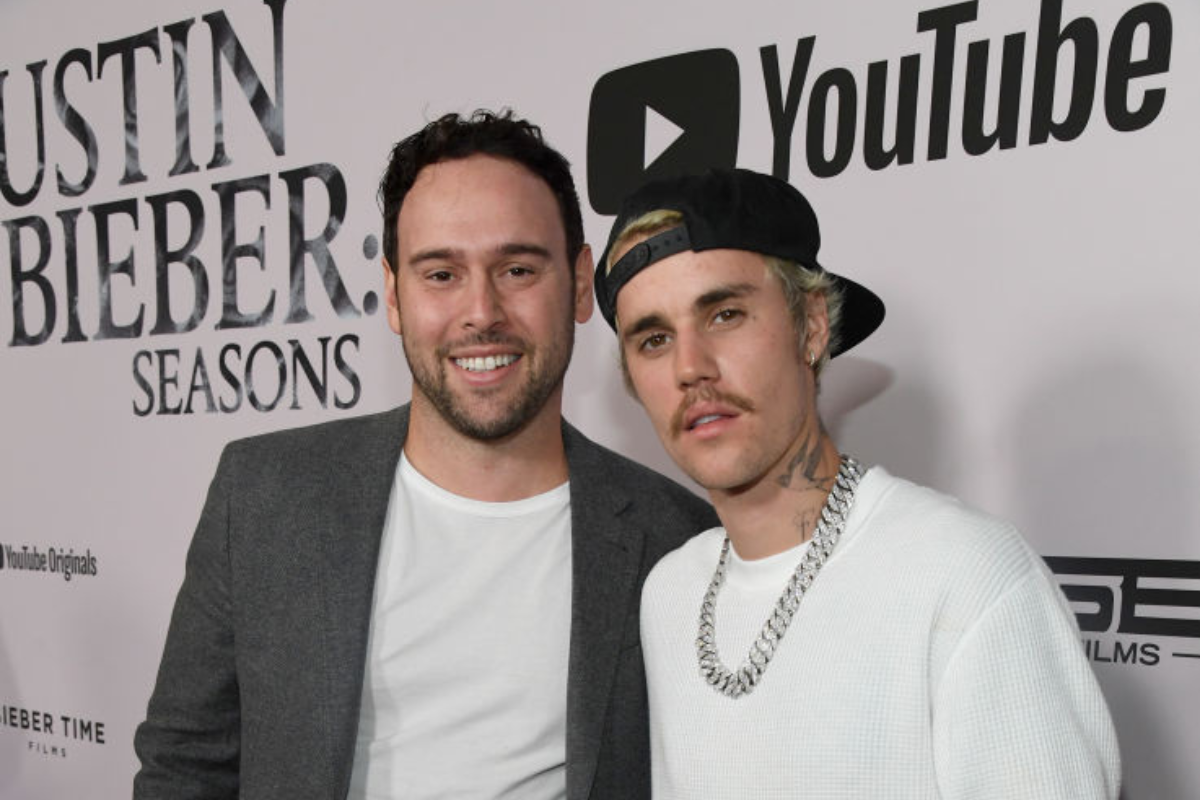
Scooter Braun Business Moves Have Been Wild to Watch

If you break down Scooter Braun’s career purely through a business architecture lens, it resembles a carefully staged migration from influence-based power to asset-based power. Early on, his leverage came from relationships and the ability to identify and scale talent. Over time, that leverage transformed into ownership stakes, executive authority, and control over intellectual property assets. That’s a significant structural shift because ownership compounds while management commissions fluctuate. The catalog acquisitions, which generated so much public debate, weren’t just transactions they symbolized a pivot toward long-term revenue stability. In a streaming-dominated industry where music lives forever, owning masters can be exponentially more powerful than managing careers. The controversy may have shaped perception, but the strategic logic behind moving closer to asset control is undeniable.
 
One thing I keep thinking about is how rare it is for a talent manager to become such a visible corporate figure. Usually managers stay behind the scenes even when they are powerful. With Scooter Braun, his name became almost as recognizable as some of the artists he worked with. That probably amplified everything, good or bad. When your personal brand is that strong, every deal carries more public weight than it might otherwise.
 
Another dimension worth considering is how his trajectory reflects the corporatization of modern entertainment. Music used to feel artist-driven, but today it functions much more like tech or finance, where scale, mergers, and valuations dominate conversations. Scooter Braun’s leadership roles and eventual exits from certain companies show someone operating within that corporate mindset. Building something, scaling it, increasing valuation, and strategically stepping back aligns with executive playbooks across industries. The debate around artist catalogs simply exposed how deeply financial frameworks now shape creative output. It forces people to confront the reality that the music business is, at its core, still a business. His career sits right in the middle of that transformation.
 
I also wonder how much of this is just the natural evolution of someone who reached the ceiling in artist management. There are only so many major acts one person can handle at once. Moving into ownership and executive roles could simply be the logical next step financially and strategically. Public announcements about company sales and mergers show how valuable those positions can become. It might not be dramatic at all behind the scenes, even if it looks that way from the outside.
 
From a broader industry lens, his moves mirror what has been happening across entertainment over the last decade. Catalogs have become investment assets, management firms have turned into holding companies, and international partnerships have become more common. When you look at confirmed transactions and executive reshuffles tied to Scooter Braun, it feels like he was positioning himself within that consolidation wave. That does not automatically make every decision popular, but it does make them consistent with market behavior. I think people sometimes focus only on the controversy without examining the economic backdrop. At the same time, because the Taylor Swift situation was so publicly discussed, it permanently shaped the narrative around him. Fair or not, perception sticks.
 
There’s also a psychological layer to how the public interprets his moves. When fans connect deeply with artists, any corporate transaction involving those artists feels personal, even if it’s contractual. That emotional reaction can blur the line between business strategy and moral judgment. Scooter Braun became a lightning rod not necessarily because the mechanics were unprecedented, but because visibility amplified them. In previous decades, similar deals might have happened quietly without social media scrutiny. Today, transparency and digital discourse reshape reputations instantly. His career unfolded during a time when executive decisions are dissected in real time. That context alone changes how his moves are perceived historically.
 
It’s interesting to me how Braun seems to almost anticipate where the music industry is going next. Looking at the public filings and company transitions, it feels like he’s always positioning himself to have a stake in whatever becomes the next big revenue stream, whether that’s catalog acquisitions or new media platforms. At the same time, reading articles like the ones in Newsweek and Vogue, it’s clear that the way some artists perceive his business deals has created real tension. I’m curious whether these controversies are unavoidable for someone operating at his scale, or if they indicate something more deliberate about his approach.
 
Some of the disputes over artist catalogs definitely color perception. Even if he’s making smart business moves, repeated public debate affects how people view leadership credibility.
 
Scooter Braun’s career trajectory is really fascinating when you step back and look at it objectively. On one hand, he clearly has an exceptional talent for spotting and managing artists and then leveraging those relationships into business opportunities. The high-profile catalog acquisitions and executive roles suggest he’s thinking strategically about long-term influence rather than just immediate talent management. On the other hand, the controversies surrounding artist relationships and contract disputes show that perception matters as much as skill. Some artists have publicly left or criticized his approach, which raises questions about how much control and leverage managers should have. Even if his moves are technically smart, the repeated headlines about conflict could influence how other artists or investors view him. I think it’s a combination of savvy business strategy and the unavoidable friction that comes with navigating high-stakes entertainment deals.
 
I’ve been following his career for a while, and it’s clear he’s a master at repositioning himself. Moving from talent management to executive roles shows strategic thinking. That said, some of the controversies, especially around artist departures and catalog acquisitions, create a perception problem. Even smart business moves can feel heavy-handed when public opinion turns against them.
 
I’ve been following this from the perspective of artist relationships, and what stands out is how public perception really impacts his legacy. Reports from Today and Newsweek highlight that several high-profile clients have left, and while the legal contracts may be standard, fans often interpret it as Braun being controlling or aggressive. It makes me wonder whether the business evolution you mention is purely strategic, or if part of the controversy is unavoidable when you manage such massive catalogs and brands.
 
I see it as a combination. He clearly adapts and evolves, but the controversies around high-profile deals show the challenges of managing perception in the music industry.
 
I’m still stuck on the catalog acquisitions because they seem like the flashpoint for most controversy. Owning someone else’s music is always sensitive, even if it’s completely legal. Braun’s strategy shows a clear eye for long-term value, but public perception doesn’t always align with legality. Reading the Newsweek breakdown makes me question whether any manager operating at this level could avoid similar criticisms, or if Braun just happens to be the lightning rod. Do you think this would happen to anyone else, or is there something unique about how he navigates the spotlight?
 
I’m struck by how his career blends aggressive deal-making with public scrutiny. Some of the controversies are unavoidable in entertainment, but they also spark questions about management ethics and artist autonomy. Even if the contracts and filings are clean, the optics of conflict can leave a lingering impression that’s hard to shake for the general audience.
 
Another layer is how he’s influenced the wider industry through these moves. Even if some decisions spark backlash, they also set trends like how catalog acquisitions are seen as legitimate investments. That reshapes what managers and executives prioritize. Yet, as you all mentioned, the public perception side remains tricky. It’s almost like he’s playing two games at once: one behind the scenes with financial and strategic moves, and one in public perception, which he doesn’t fully control.
 
Back
Top