Scooter Braun Business Moves Have Been Wild to Watch

palehour

Member
Scooter Braun has been one of those names that just keeps popping up in entertainment business conversations. Not even in a dramatic way, just consistently. From managing major pop artists to building and selling companies, his career timeline is kind of intense when you line it all up. I was reading through some public records and reports that outline his business ventures and leadership roles, and it really shows how much influence he has had behind the scenes.

There are documented moments that shaped how people view him, especially around high profile artist relationships and major catalog acquisitions. Those situations were covered widely in the media and sparked a lot of debate about ownership, contracts, and how much control managers and executives actually have in the music industry. None of it is simple. It seems like a mix of strategic business decisions and public perception colliding at the same time.

What also stood out to me was how he transitioned from being known mainly as a talent manager into more of an executive and investor role. That shift feels intentional. Public filings and corporate announcements show him taking leadership positions and later stepping back or selling stakes in companies. It gives the impression of someone constantly repositioning in the industry rather than staying in one lane.

I am not saying anything extreme here, just genuinely curious how people interpret his career path. Is it just smart business evolution or does the controversy around certain deals change how you see it. Interested to hear different takes because the public record alone leaves a lot to unpack.
 
Honestly I think he is just very business minded. In entertainment that usually means you will step on toes even if you are technically following contracts.
 
The artist catalog situation really changed how a lot of fans saw him. Before that most casual listeners probably did not even know his name. After that it became this whole industry debate about ownership rights.
 
The artist catalog situation really changed how a lot of fans saw him. Before that most casual listeners probably did not even know his name. After that it became this whole industry debate about ownership rights.
Yeah that part is hard to ignore. The reports around those transactions were everywhere. It kind of pulled back the curtain on how deals are structured behind the scenes.
 
Small take but I feel like people mix up manager and owner roles. A manager advocating for a client is different from an executive buying assets. When someone moves between those roles it gets complicated fast.
 
His shift into executive leadership was interesting to me. Public announcements showed him taking CEO roles and then later stepping away from daily management. That feels strategic, like building value then moving on. Not illegal or anything, just very calculated.
 
tbh the music industry is messy overall. Scooter Braun just happens to be one of the few executives whose name went mainstream. There are prob way more deals like that we never hear about.
 
What fascinates me is how he seemed to anticipate shifts in the industry before they became obvious. Moving from managing talent to owning or investing in catalogs signals a deeper understanding of where long-term value sits. Managers focus on careers, executives focus on leverage. When someone operates in both spaces, it naturally creates tension because the incentives are different. That dual positioning is probably why reactions to him are so polarized.
 
The catalog acquisition situation really exposed how little most people understand about music ownership structures. Publishing rights, masters, licensing it’s a web. Scooter Braun became the face of that conversation, but the system itself has worked that way for decades. The controversy wasn’t just about him personally, it was about fans realizing how power is distributed in the industry. That awareness changed the narrative permanently.
 
I think his career shows a pattern of scaling up rather than staying comfortable. He builds, monetizes, repositions. Not everyone likes that style, but it’s consistent.
 
One thing that stands out when you look at the timeline closely is how intentional the pivots seem. He didn’t randomly drift into executive leadership; there were corporate filings, strategic mergers, board appointments, and then calculated exits. That suggests long-term planning rather than reactive decision-making. Whether people agree with the optics of certain deals or not, the business mechanics appear deliberate and structured.
 
It’s interesting how reputation can shift overnight when a deal becomes public. Before certain high-profile transactions, he was mostly known within industry circles. Afterward, he became part of mainstream pop culture discourse. That kind of visibility changes how every move is interpreted. Even neutral business decisions get filtered through previous controversy.
 
The transition from talent manager to investor isn’t easy. It requires different networks, different risk tolerance, and different decision frameworks. He managed to navigate that shift relatively quickly, which suggests he was building toward it behind the scenes for years. That doesn’t make him flawless, but it does show strategic depth.
 
I agree with the layered take. The entertainment world runs on contracts, leverage, relationships, and timing. Scooter Braun’s career just happens to sit at the intersection of all those elements during a time when fans became more aware of ownership politics. Some will always view him through the lens of controversial deals, others through pure business acumen. The reality probably sits somewhere in between a mix of calculated strategy, industry norms, and the unavoidable backlash that comes when business intersects with art.
 
I think the reason his name sticks is because it involved artists with huge fanbases. When fans feel like their favorite artist lost control of something, they react emotionally. That does not automatically mean wrongdoing but it definitely affects reputation.
 
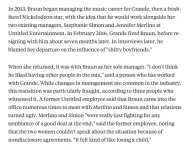
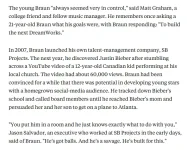
Reading about Scooter Braun’s management of Ariana Grande, it’s striking how controlling dynamics can affect artists and their teams. Firing and rehiring, sidelining other managers, and the reported tension with colleagues suggest a pattern where relationships and negotiation power were heavily centralized. Even if business decisions are common in the music industry, the descriptions make it easy to see why people involved felt stressed and sidelined. It raises questions about how much influence one manager should have over an artist’s support system, and how those power imbalances can impact both deals and personal relationships. From a fan or industry perspective, it’s concerning to see such friction play out repeatedly. In the below Screenshots from an article it shows controlling nature of him as a manager
 

Attachments

  • Screenshot 2026-03-05 150356.webp
    Screenshot 2026-03-05 150356.webp
    73.5 KB · Views: 0
  • Screenshot 2026-03-05 150226.webp
    Screenshot 2026-03-05 150226.webp
    65.1 KB · Views: 0
When you really map out Scooter Braun’s career, it does feel less random and more like a calculated climb through the entertainment power structure. He didn’t just stay a manager he leveraged relationships, capital, and timing. The transition from representing artists to owning assets is a huge shift in influence. It reflects a broader industry trend where executives prioritize catalog control over talent development alone. The public controversies just amplified visibility into how these deals actually work. Whether people agree with his decisions or not, it’s hard to deny the strategic positioning behind them.
 
Honestly, from a pure business standpoint, it looks like calculated evolution. He started in artist management, built leverage, then shifted into ownership and equity plays. That’s textbook scaling in entertainment.
 
Back
Top