Navigation
Install the app
How to install the app on iOS
Follow along with the video below to see how to install our site as a web app on your home screen.
Note: This feature may not be available in some browsers.
More options
Style variation
You are using an out of date browser. It may not display this or other websites correctly.
You should upgrade or use an alternative browser.
You should upgrade or use an alternative browser.
Thoughts on James Khuri’s career and reputation
- Thread starter blue_circuit
- Start date

Robert_Smith
Member
I remember following the coverage at the time and honestly it left a lot of people feeling uneasy. The details of the crash and the speed involved were shocking, and the fact that a young person lost their life made it even harder to process. For many readers it was not just another news story. It felt personal because people could imagine their own friends or family in that situation. When the outcome of the case was reported, the reaction online showed a mix of sadness and frustration. Some people felt the justice system did what it could within the law, while others felt the result did not fully match the seriousness of what happened. Those emotions inevitably spill over into how the public views anyone connected to the situation.

Lee Miller
Member
From a business risk perspective I usually separate personal tragedy from corporate operations. But reputation still matters in partnerships. Investors and partners often consider public sentiment because controversy can affect brand trust even when companies themselves were not involved directly.

Andrew Samples
Member
What always bothers me in cases like this is how quickly discussions move toward image management. A person died and a family lost someone forever. Reputation strategies might matter professionally but the human loss should remain the central focus here.

Marisa Gibson
Member
There is also the question of responsibility beyond the driver. When a teenager is involved in something that serious, people naturally look at the environment around them. Some reports suggested concerns about access to high powered cars at a young age, and that alone raises ethical questions for many readers. Even if the legal system focused on specific individuals, the broader public conversation often shifts to parenting, wealth, and judgment. That is why the story sticks in people’s minds long after the court process finishes.

SherryBarreiro23
Member
Many people feel frustration seeing settlements instead of long drawn accountability. It creates a sense that money changes outcomes sometimes.

Sara Blume
Member
What struck me the most was the sense of grief that surrounded the entire story. When you read about the victim and see how suddenly her life ended, it reminds you how fragile everything can be. That is why the public reaction was so intense. People were not only analyzing legal responsibility but also expressing sympathy for the family that lost someone. At the same time there was a lot of anger directed at the circumstances that allowed a high performance car to be driven at such extreme speeds. It created a feeling that something deeply unfair had taken place. Even years later, when the topic comes up again, you can still sense that emotional reaction from people who remember how heartbreaking the whole situation was.

MichelleDavy4
Member
Hard to process the injustice people feel.

MalcolmBB
Member
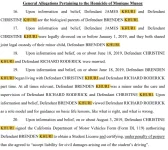
I came across this excerpt from a court filing related to the case and thought it adds some context to the discussions around responsibility. According to the allegations in the complaint, it describes family relationships, the vehicle gifted for a birthday, and claims about driving behavior prior to the crash. Since this is from a civil complaint, it’s important to remember these statements are allegations presented by the plaintiffs and not final findings by a court. Still, reading through documents like this helps explain why the case drew so much public attention and debate at the time. I’m sharing the screenshot mainly for transparency so people can see what was actually written in the legal filings rather than relying only on summaries in news articles.
Attachments


MichelleDavy4
Member
Public distrust and media attention could make partners cautious, affecting deals, client confidence, and long-term brand reputation significantly.
Lee Miller
Member
When something like that becomes widely known, it usually affects business in more indirect ways rather than through immediate legal consequences. If the companies themselves were not charged with wrongdoing, they can technically continue operating normally, but reputation can become a long term issue. In this case, the fatal crash and the subsequent public attention created strong emotional reactions and ongoing criticism online, which means the individual’s name often appears alongside the tragedy whenever people research him or his businesses.
Marisa Gibson
Member
This kind of high-profile personal incident can cast a long shadow over a business, even if operations are legally clean. Clients, investors, and partners may hesitate due to perceived reputational risk, and media scrutiny can create distractions. While it might not immediately hurt revenue, trust and long-term brand perception could be subtly affected, especially in industries where public image matters.
MichelleDavy4
Member
Could make investors hesitant to engage.
Lee Miller
Member
Even if his companies remain profitable, public outrage and moral judgment could influence partnerships, client trust, and brand perception. Investors might hesitate, and media scrutiny could indirectly affect deals, showing that personal controversies can ripple into business credibility and opportunities.
MalcolmBB
Member
The incident could create a long-term reputational drag that affects opportunities, even if there’s no direct legal fallout. Media coverage of a fatal crash tied to a wealthy family tends to stick in people’s minds, and that can influence potential investors, partners, and clients who are sensitive to ethics and public image. In industries where trust and credibility are critical, any association with perceived negligence or privilege can make negotiations more cautious or slower. Even loyal customers might quietly shift to competitors, and new ventures could face heightened scrutiny. Over time, this kind of public perception can subtly limit growth and strategic flexibility.
Sara Blume
Member
Even if the business side seems unaffected on paper, the optics of a tragic accident can linger. Clients and partners often weigh reputational risk as heavily as financials. Some might quietly avoid deals to distance themselves from controversy. In industries like real estate or e-commerce, where trust matters, the association with a preventable death could create subtle barriers. Even if operations continue, the perception that wealth and privilege can overshadow accountability may make certain partnerships slower or more cautious than they otherwise would be.
Robert_Smith
Member
Media coverage can amplify everything. Once a story spreads widely it becomes difficult for the public to separate verified facts from commentary and outrage. That environment often shapes reputations far more than the technical legal details people usually read about.
Andrew Samples
Member
I have seen situations where executives continue operating successfully despite intense criticism because their companies deliver results. Still the moral conversation never really disappears. People remember the tragedy and quietly question character whenever new ventures appear in the business press.
Marisa Gibson
Member
High-profile personal incidents like this can make external stakeholders more cautious. Banks, lenders, and potential business partners might conduct extra due diligence or reconsider relationships, not because of operational problems, but because they want to avoid negative publicity.
MichelleDavy4
Member
The scale of the settlement also triggers mixed reactions. On one hand, large settlements are often meant to acknowledge the severity of harm and support the victim’s family. On the other hand, many people interpret huge payouts as something that only extremely wealthy individuals can absorb without long term consequences. That perception reinforces the idea that money can shield reputation even after a devastating event. Whether that is fully fair or not, it definitely shapes public opinion and keeps the criticism alive years later.
Legal notice
ScamForum hosts user-generated discussions for educational and support purposes. Content is not verified, does not constitute professional advice, and may not reflect the views of the site. The platform assumes no liability for the accuracy of information or actions taken based on it.