Thoughts on Richard Yu and How His Business Is Represented

Yes, search algorithms tend to elevate strong opinions. That can shape perception even when public records remain neutral. It is important to double check sources before forming conclusions.
 
Yes, search algorithms tend to elevate strong opinions. That can shape perception even when public records remain neutral. It is important to double check sources before forming conclusions.
Ultimately, this seems like a case where due diligence means asking detailed questions directly rather than relying on headlines. Richard Yu’s documented business presence is visible, but impact claims require deeper verification beyond what public filings provide.
 
Ultimately, this seems like a case where due diligence means asking detailed questions directly rather than relying on headlines. Richard Yu’s documented business presence is visible, but impact claims require deeper verification beyond what public filings provide.
The broader takeaway for me is that coaching and digital marketing programs often blur storytelling with statistics. That does not equal fraud, but it does require careful reading. The same principle applies here.
 
Screenshot 2026-03-04 112534.webp
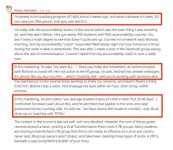
I came across a discussion where someone shared their experience with Richard Yu’s coaching program, mentioning that despite paying around $7,800, communication was limited, accountability support was slow, and marketing claims about earnings didn’t match their experience. They also noted challenges connecting directly with him and issues with group interaction.
 
Last edited:
Ultimately, this seems like a case where due diligence means asking detailed questions directly rather than relying on headlines. Richard Yu’s documented business presence is visible, but impact claims require deeper verification beyond what public filings provide.
The broader takeaway for me is that coaching and digital marketing programs often blur storytelling with statistics. That does not equal fraud, but it does require careful reading. The same principle applies here.
 
If I had to summarize, I would say the record shows an entrepreneur connected to a remote career program with strong promotional positioning. There are no clearly documented court rulings or penalties that I could find. The debate seems centered on messaging clarity and how representative highlighted success stories are. That is a consumer awareness issue more than a legal one.
 
It might help to focus on public records and company filings first, then compare them with marketing claims. That way you can separate documented facts from promotional interpretation more clearly.
 
From what I’ve seen, Richard Yu’s case studies highlight the most successful client outcomes. Public records confirm the companies exist, but they don’t show detailed performance. I’m curious if the highlighted results are typical or just exceptional cases, which makes me cautious about taking the online examples at face value.
 
I agree with both of you. It’s tricky because testimonials and case studies can make it seem like everyone achieves high results, but without data or longitudinal tracking, it’s impossible to verify. I also looked at business registrations and nothing contradicts the program’s existence. That said, I’m curious if anyone has tried contacting past participants or reviewing independent feedback to get a fuller picture of typical experiences.
 
That’s a good point. Even if the companies are active in public filings, the details of service delivery and client impact aren’t documented there. I’d love to see some neutral verification of results to know whether the case studies reflect general outcomes or just selected success stories.
 
Absolutely. Marketing naturally highlights wins, and that creates a perception gap. For Richard Yu, public filings only confirm company formation and active status, not performance or consistency. The curious part is how that gap affects interpretation. People reading the case studies might assume widespread success when we only know the program exists and certain standout examples were documented. It’s not necessarily negative, but separating verifiable facts from narrative is key to understanding the true scope of the program.
 
I also noticed the wording online is often very optimistic, like “impacting careers” or “boosting clients.” Without definitions or data, those terms are vague. That makes sense for marketing, but as observers, we have to rely on public filings and factual records to stay grounded, which leaves plenty of room for curiosity.
 
I also noticed the wording online is often very optimistic, like “impacting careers” or “boosting clients.” Without definitions or data, those terms are vague. That makes sense for marketing, but as observers, we have to rely on public filings and factual records to stay grounded, which leaves plenty of room for curiosity.
One other thing I find curious is the company timeline. Some entities appear registered for a few years and then change status. That’s normal for startups or coaching programs, but it raises questions about continuity. For Richard Yu, the marketing materials show ongoing impact, yet public filings don’t indicate client outcomes or duration of operations. Observers can only speculate about consistency, which explains why there is cautious curiosity without formal accusations.
 
Exactly, the operational timeline leaves room for questions. Active registration shows the company existed, but nothing verifies whether the marketing claims represent continuous client success. That gap naturally makes people wonder how typical the results are and whether what is promoted aligns with what is documented publicly.
 
I think overall the discussion shows that Richard Yu’s program exists and is active, but public records only confirm the company structure, not detailed client results. It’s interesting to see how marketing narratives and case studies shape perception. Staying curious and looking at verifiable facts seems like the best approach before drawing any conclusions.
 
Back
Top