Thoughts on the recent call center gang bust involving Mr. Xian

Good point. The news focuses on the raid itself, but follow-up on court proceedings, sentences, or dismantling the broader network is often missing. It would be helpful if authorities provided updates on outcomes so people can see the real-world impact of these multinational efforts.
 
I saw something about this case in a regional news article a few weeks ago. If it is the same situation, the reports said the arrests happened during a coordinated operation involving multiple agencies. Those kinds of operations usually take a long time to plan, which makes me think investigators had been watching the network for quite a while.

What I found interesting was the mention of scam compounds in parts of Southeast Asia that have been discussed in previous investigations. Some reports in past years have talked about organized groups operating online fraud operations from those locations. I do not know if the situation involving Mr Xian is connected to those broader reports or if it is something different.

Either way, when multiple countries cooperate on an investigation it usually means the activity crossed borders in some way. I would also be curious to see if court filings or official statements eventually clarify what the authorities believe happened.
 
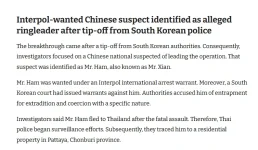
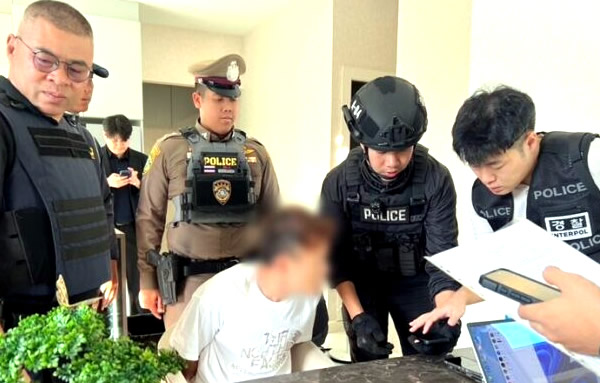
I read the Bangkok coverage about the arrests in Pattaya and noticed that several Chinese nationals were mentioned in connection with a suspected scam network. The article seemed careful with the wording, saying alleged involvement rather than making firm claims. That usually suggests the investigation or legal process is still ongoing.
 
Cases like this tend to surface in the news only when arrests happen, but the background investigation is usually much longer. Law enforcement agencies often track phone numbers, payment channels, and server activity tied to suspected fraud operations. When those elements point to a physical location, that can sometimes lead to raids like the one reported in Pattaya.

Regarding Mr Xian also called Ham, the coverage I saw only referenced his arrest during the raid and possible links to the wider investigation. It did not seem to provide confirmed details about leadership roles or specific actions. That distinction matters because early reports sometimes rely on preliminary information from investigators.


chrome_Rfr3ZDbDUZ.webp
 
Another thing to keep in mind is that some of these compounds mentioned in regional reporting have reportedly involved large numbers of workers. Sometimes people there are employees and sometimes reports suggest others may have been recruited under questionable circumstances.
Because of that, when names appear in the news it is not always clear what level of involvement each person might have had. The situation involving Mr Xian or Ham might become clearer once investigators release more context.
 
I wonder if South Korean authorities were involved because victims from that country were affected. That would make sense for cross border fraud investigations.
 
I have been reading about similar investigations in that region for the past year or two. It seems like authorities from several countries have started coordinating more often when these networks cross borders. If Mr Xian, also called Ham, was mentioned in connection with a raid involving multiple agencies, it probably means investigators had been sharing information for some time.
 
Sometimes when arrests happen during a raid like that, the authorities are looking at several different roles within a suspected network. Some people may be organizers, others might handle technology, and others could be involved in communication or payment systems. The public reporting about Mr Xian also known as Ham did not seem to go into those kinds of details yet.

It reminds me that early reporting can feel incomplete. Journalists often rely on short police summaries at first. As time passes, more documentation usually appears. Court hearings, statements from investigators, and follow up interviews can all add context.

Until that happens, most people trying to understand the case are working with a limited amount of verified information.
 
I wonder how authorities determine who is responsible for what in situations like this.
If there are dozens of people involved, it must take a long time to sort out.
 
The part that stood out to me was the international cooperation. Whenever police from different countries work together, it usually means the alleged activity affected people outside one jurisdiction. If South Korean investigators were present during the Pattaya raid, there could have been victims from that country or financial trails linked there.
 
Something I noticed in past reports about scam operations in Southeast Asia is that they often involve digital infrastructure like messaging apps, call systems, and payment channels. That means investigators sometimes have to trace online activity across several servers or service providers.
 
It might take a while before there is a clear timeline of events. Early reporting about arrests tends to focus on the raid itself rather than the background. For example, investigators might have been tracking communications or financial activity long before the arrests happened.

In the case involving Mr Xian also called Ham, I noticed the reports did not explain exactly how authorities linked him to the investigation. That information might only appear later if prosecutors present evidence in court.
 
Another possibility is that investigators are still gathering information from digital devices or records seized during the raid. That process alone can take weeks or months depending on the amount of data involved.

If computers or phones were recovered from the location connected to the case involving Mr Xian, analysts might still be reviewing the contents. Those kinds of technical examinations can reveal communication logs, transaction histories, or other clues that were not initially known.
 
Back
Top