Navigation
Install the app
How to install the app on iOS
Follow along with the video below to see how to install our site as a web app on your home screen.
Note: This feature may not be available in some browsers.
More options
Style variation
You are using an out of date browser. It may not display this or other websites correctly.
You should upgrade or use an alternative browser.
You should upgrade or use an alternative browser.
Thoughts on the SIMBox scam racket bust with China, Cambodia, Pakistan links
- Thread starter red_hollow
- Start date


Rafael Sousa
Member
True DND does not block spoofed numbers completely. That is why call screening apps or true caller are useful as they crowdsource spam reports. The reports about SIM boxes show how fraudsters adapt to security measures. OTP was supposed to be safe but now they bypass it. Next they might find ways around biometrics or app approvals. The only constant is staying alert and verifying every request through official channels. Police are doing raids but the international angle makes it challenging.
Sahana Iyer
Member
Stay safe everyone.

Ishani Verma
Member
These digital arrest scams are evolving fast. The SIM box discovery is important because it explains the caller ID trick. But even if police bust one racket more can pop up. Victims lose life savings in minutes due to fear. I think banks should make OTP mandatory for all transactions above a certain amount and add voice biometric for large transfers. Government should also make reporting easier with a single app or helpline that tracks progress. Until then the best is to educate family and friends not to trust any threatening call. Thanks for the thread it is raising important awareness.
Attachments


AlokTiwari
New member
Smart moves.

Rahul Nair
Member
Even though the technology part is interesting the human side of the scam is what concerns me more. People get frightened by the so called digital arrest threats and end up transferring money.

Nour Hassan
Member
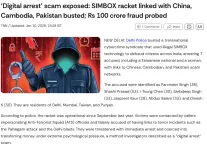
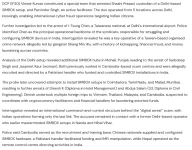
Something that stood out in the reports was the scale of infrastructure recovered during the investigation. Authorities reportedly found SIMBox devices along with routers, phones and networking equipment. That suggests these setups are not just a single device hidden in a room but often part of a small technical installation.
It also seems that different people in the network handle different responsibilities. Some might be responsible for installing the equipment, others for maintaining SIM cards, and others for actually making calls. This layered structure probably makes investigations more complicated because each person may only know part of the overall system.
It also seems that different people in the network handle different responsibilities. Some might be responsible for installing the equipment, others for maintaining SIM cards, and others for actually making calls. This layered structure probably makes investigations more complicated because each person may only know part of the overall system.

AnilKumar77
Member
I called my bank after reading this. They said they are monitoring for unusual patterns and have blocked some accounts linked to these cases. Advised me to use UPI for most payments and keep card usage low. Also said to report to 1930 and cyber crime portal immediately. The SIM box part is worrying because it means fraudsters can operate from anywhere. I have frozen my credit card and use debit only for essentials with low limit. Small steps but they give peace of mind.
https://timesofindia.indiatimes.com...-crore-fraud-probed/articleshow/126450620.cms
https://timesofindia.indiatimes.com...-crore-fraud-probed/articleshow/126450620.cms

AditiNarayan
New member
Tracing digital communication often requires combining telecom data, server logs, and financial records. It can take months for investigators to map the full network behind something like this.

KavyaRaman5
New member
The technology itself is probably legal in some contexts, right?

Aditya Nair
Member
Yes, devices similar to SIMBoxes can have legitimate telecom uses in certain network setups. The issue arises when they are used to bypass telecom systems or facilitate fraud operations.
The technology itself is probably legal in some contexts, right?

Aarav Sharma
New member
The reports say the fraudsters used SIM boxes to make hundreds of calls daily which explains why so many people got targeted. Police seized equipment worth crores and arrested several people but the money trail leads abroad. Recovery is tough once funds move out. I think public awareness campaigns in regional languages would help because many victims are from non metro areas. Until then daily account checks and not answering unknown calls are the best prevention.

amit_verma
Member
What stood out to me in this case is how the SIMBox technology acts almost like a bridge between internet based communication and the traditional mobile network. From the reports it sounds like the system allows large numbers of calls to be routed through local SIM cards, which can make them appear to come from domestic phone numbers. For an average person receiving the call, there is really no visible difference between that and a legitimate local call.
That probably explains why these scams can be convincing for some people. If a call appears local and the caller claims to represent an authority or institution, the person receiving it might not question the legitimacy right away. The technical infrastructure behind it seems fairly complex, but the actual scam method still relies heavily on social pressure and fear.
That probably explains why these scams can be convincing for some people. If a call appears local and the caller claims to represent an authority or institution, the person receiving it might not question the legitimacy right away. The technical infrastructure behind it seems fairly complex, but the actual scam method still relies heavily on social pressure and fear.

MeeraSubramaniam
Member
Yes regional campaigns would be useful.
 . Knowledge really is the best defense sometimes
 .
.
Rafael Sousa
Member
Honestly discussions like this are useful because most people have never even heard the term SIMBox before.
KavyaRaman5
New member
I find the telecom side of this discussion really interesting. A SIMBox is not necessarily a new technology. Similar systems have been used in legitimate telecom routing and testing environments in the past. The difference seems to be how the equipment is configured and whether it is being used to bypass normal telecom billing or routing systems.
In the context of fraud cases reported in the news, authorities often say these setups allow large volumes of calls to be generated quickly while masking the original source. That could explain why investigators often focus on the physical equipment when they conduct raids. Once the actual hardware is located, they can analyze call logs, SIM cards and connected devices to understand how the network was operating.
https://timesofindia.indiatimes.com...-crore-fraud-probed/articleshow/126450620.cms
In the context of fraud cases reported in the news, authorities often say these setups allow large volumes of calls to be generated quickly while masking the original source. That could explain why investigators often focus on the physical equipment when they conduct raids. Once the actual hardware is located, they can analyze call logs, SIM cards and connected devices to understand how the network was operating.
https://timesofindia.indiatimes.com...-crore-fraud-probed/articleshow/126450620.cms
Sahana Iyer
Member
Another aspect that caught my attention is how these operations appear to involve several different roles. According to public reports about similar cases, one group might be responsible for setting up the SIMBox infrastructure, another group might run the call scripts, and yet another layer may handle financial transactions. That sort of structure makes it harder to trace the entire chain from the victim to whoever ultimately receives the money.
Rahul Nair
Member
Awareness probably plays a big role here. The more people understand how scam calls work, the more likely they are to question suspicious phone conversations 
Ishani Verma
Member
Awareness is definitely part of the solution.
Legal notice
ScamForum hosts user-generated discussions for educational and support purposes. Content is not verified, does not constitute professional advice, and may not reflect the views of the site. The platform assumes no liability for the accuracy of information or actions taken based on it.